Symbolism · 1896
Junius (구스타프 클림트, 1896)
구스타프 클림트 (1862–1918) 작가의 Junius 1896년에 제작되었습니다. Symbolism 운동에 속합니다. 캔버스 위 아크릴 물감(으)로 제작되었습니다. 크기는 41 × 31 cm입니다.
- 1896
- 캔버스 위 아크릴 물감
- 41 × 31 cm

 미리보기

 수작업 유화 작품
 공유하기
 공유하기
 학습용 요약본


 다운로드
 유사 작품 더 보기
 X-레이
 슬라이드 쇼 보기
 질의응답

 통계 정보
Junius 요약
Junius은(는) 무엇을 묘사하고 있나요?
Junius: A Symbolist Vision of Power and Reflection
Gustav Klimt’s “Junius,” created in 1896 during his formative years as a Symbolist painter, stands as a cornerstone of his artistic legacy—a mesmerizing blend of meticulous detail and profound symbolic resonance. Measuring 41 x 31 cm, this chalk drawing transcends mere representation; it invites contemplation on themes of authority, introspection, and the elusive quest for spiritual enlightenment. Klimt’s masterful use of texture and color contributes to an atmosphere of enigmatic beauty that continues to captivate audiences today.The Painting: A Glimpse into Symbolism
“Cite>Junius” embodies the core tenets of Symbolism—a movement rejecting realism in favor of conveying emotions and ideas through evocative imagery and veiled references. Klimt’s deliberate choice of composition—two figures adorned with crowns—immediately establishes a visual dialogue about power dynamics. The central figure, gazing downwards, symbolizes contemplation and inner turmoil, while the crowned man above represents dominion and perhaps even divine grace. This duality is skillfully rendered through Klimt's signature technique: delicate chalk strokes layered upon each other to achieve an ethereal luminescence that captures the essence of Symbolist aesthetics.Symbolic Elements
The crowns themselves are laden with symbolic significance. Traditionally, they signify royalty, nobility, or spiritual ascension—concepts central to Klimt’s worldview and deeply rooted in Austro-Hungarian cultural traditions. However, within “Junius,” their downward gaze suggests a humbling awareness of mortality and the limitations inherent in earthly power. The subtle interplay between light and shadow further enhances this sense of mystery, prompting viewers to ponder the deeper meanings embedded within the artwork. Klimt’s meticulous attention to detail—the intricate patterns adorning the crowns and the delicate rendering of drapery—underscores his commitment to conveying complex ideas through visual form.Artistic Influences and Style
Klimt's artistic journey was profoundly shaped by movements like Symbolism and Art Nouveau, reflecting a broader cultural fascination with decorative arts and spiritual exploration. The influence of Japanese art is palpable in Klimt’s stylistic choices—particularly the flattened perspective and stylized ornamentation—demonstrating his openness to innovative visual languages. “Junius” exemplifies Klimt's ability to synthesize these influences into a singular artistic vision, creating a piece that feels both timeless and strikingly modern. His masterful brushwork contributes to an unparalleled textural richness, elevating the artwork beyond mere depiction to become an immersive experience for the observer.Relevance in Modern Times
Despite its creation over a century ago, “Junius” retains remarkable relevance today due to its exploration of universal human concerns—the tension between ambition and humility, contemplation and action. Klimt’s work continues to inspire artists and art enthusiasts alike, prompting discussions about the role of symbolism in conveying emotion and intellect. Furthermore, the painting's aesthetic beauty serves as a reminder of the enduring power of artistic expression to transcend temporal boundaries.Preservation and Display
Works like “Junius” are treasured possessions of museums such as The Museum Georg Schäfer in Germany, which houses a significant collection of 19th-century German paintings. These institutions diligently safeguard these masterpieces for future generations, ensuring their accessibility to scholars and admirers worldwide. Their commitment to conservation underscores the importance of preserving cultural heritage—a legacy that extends far beyond its original context.Conclusion
Gustav Klimt’s “Junius” remains an unforgettable testament to his artistic genius and the enduring allure of Symbolism. Its captivating composition, symbolic elements, and masterful technique converge to produce a visual experience that transcends time—inviting viewers to contemplate profound questions about human existence and the pursuit of spiritual understanding. For those eager to immerse themselves in Klimt’s broader oeuvre or discover similar artworks imbued with symbolism—such as Julio Ruelas—OriginalUniqueArt.com offers exceptional reproductions that bring these iconic pieces into your home, allowing you to appreciate their beauty and intellectual depth. Experience the brilliance of Klimt’s art with OriginalUniqueArt.com's handcrafted oil painting reproductions—bringing timeless masterpieces into your living space!Junius의 고해상도 이미지

작품 정보
구스타프 클림트, Junius (1896). 퍼블릭 도메인
Junius에 관한 질문과 답변
"Junius"은 어떤 기법으로 제작되었나요?
구스타프 클림트의 "Junius"의 실제 크기는 어떻게 되나요?
"Junius"은(는) 저작권으로부터 자유로운가요?
구스타프 클림트의 "Junius"은(는) 어떤 미술 사조에 속하나요?
1896년에 "Junius"을(를) 제작할 당시 구스타프 클림트의 나이는 몇 세였나요?
구스타프 클림트의 "Junius"의 저작권 상태는 어떻게 되나요?
"Junius"의 저작권 상태(퍼블릭 도메인 - 저작권 보호 기간이 만료되었습니다)는 작가의 1918년 사망 시점을 기준으로 결정됩니다.
아티스트 구스타프 클림트 소개

1862–1918, 오스트리아
구스타프 클림트
초기 생애, 가족 그리고 예술적 훈련 빈 근처의 작은 마을 바움가르텐에서 태어난 구스타프 클림트는 금속의 영롱한 광채가 일상 속에 늘 머물러 있는 세상에서 성장했습니다. 그의 아버지 에른스트 클림트는 금 세공인이였는데, 이는 흔들림 없는 손길과 아주 미세한 디테일까지 포착해내는 예리한 눈을 필요로 하는 정교한 작업이었습니다. 귀금속에 대한 이러한 어린 시절의 친밀함과 정밀한 조각 기술은 훗날 그의 예술 세계를 관통하는 작품의 영혼 속에 깊이 스며들게 됩니다. 하지만 그의 삶이 언제나 찬란한 광채와 평온함으로만 가득했던 것은 아니었습니다.
구스타프 클림트의 다른 작품들
 키스의 순간1908
 아르누보 & 비엔나 분리주의
구스타프 클림트
바움가르텐
오스트리아
1862년
1907년 완수
1907년
1918년
비엔나 분리주의 운동의 화려한 상징
138 x 138 cm
아델 블로흐-바우어 1세 초상1907
 히드지(Judith)1901
 엘리자베스 바흐펜-에히트 남작 부인의 초상1916

Junius 관련 에세이
 Masterpieces of the Habsburgs: Top 25 Must-See Artworks at the Albertina, ViennaJourney through the Albertina’s legacy with our curated guide to 25 iconic masterpieces. From Dürer's precision to Habsburg grandeur, explo…
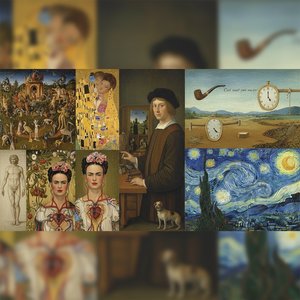 Symbolism in Art: 10 Masterpieces & Their Hidden Meanings | OriginalUniqueArtDelve into the enchanting world of Symbolism with 10 iconic paintings by Klimt, Munch & Moreau. Explore hidden meanings, dreamlike imagery …
 Golden Splendor: The 25 Most Iconic Masterpieces by Gustav KlimtImmerse yourself in the golden splendor of Gustav Klimt. Explore 25 iconic Art Nouveau masterpieces, from The Kiss to his legendary portrai…