프린트 판매로 전환
 상세 보기
상세 보기







































 가로 또는 세로 중 어느 한 면이라도 105cm(약 41인치)를 초과하는 작품이나 복제화의 경우, 프레임은 분해된 키트 형태로 배송됩니다. 이는 안전한 배송을 보장하고 운송 중 발생할 수 있는 손상을 방지하기 위함입니다.


A Symphony of Gold and Human Connection: Gustav Klimt’s *Beethoven Frieze*
Gustav Klimt's 1901 masterpiece, *Beethoven Frieze*, is not merely a depiction of musicians; it’s an immersive experience, a shimmering portal into the heart of artistic creation and the profound connection between art, music, and human emotion. Painted during a pivotal period in Klimt’s career – a time when he was increasingly experimenting with decorative elements and exploring themes of sexuality and spirituality – this work stands as a testament to his evolving style and his fascination with the power of symbolism.
The painting immediately captivates with its lavish use of gold leaf, a technique deeply rooted in Klimt’s family history through his father's profession as a gold engraver. This opulent material isn’t simply decorative; it represents wealth, divinity, and the enduring legacy of artistic genius. The shimmering surface reflects light in a way that draws the viewer into the scene, creating an almost hypnotic effect. Klimt masterfully employs this technique alongside his signature geometric patterns – stylized floral motifs, intricate spirals, and rectangular blocks – to construct a visually arresting composition.
The Figures: Embodiments of Creativity and Emotion
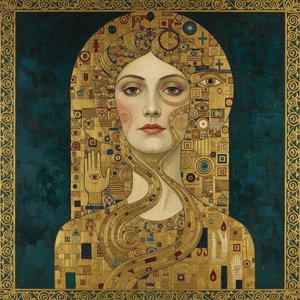
At the center of the frieze sits a woman, her face partially obscured by a veil, radiating an aura of serene contemplation. She is often interpreted as representing Beethoven himself, or perhaps the muse who inspires his music. Around her swirl other figures – men and women engaged in various activities: playing instruments, listening intently, and gesturing with passionate expression. These aren’t static portraits; they are dynamic representations of a creative process unfolding. Klimt deliberately avoids sharp outlines and precise details, opting instead for flowing lines and ambiguous forms that suggest movement and emotional intensity.
- The Violinist: A figure lost in the act of playing, his posture conveying both concentration and joy.
- The Singer: Her arms raised, she embodies the vocal outpouring of emotion central to musical performance.
- The Listener: Seated with rapt attention, he represents the receptive audience – vital to the artist’s creative cycle.
Notice how Klimt uses color to differentiate these figures. The woman in the center is bathed in a warm, golden light, while others are rendered in cooler tones, suggesting varying levels of engagement and emotional intensity within the scene.
Historical Context and Artistic Influences
*Beethoven Frieze* emerged from a broader artistic landscape marked by Symbolism and Art Nouveau. Klimt was deeply influenced by Byzantine mosaics – particularly their use of gold and tesserae – as well as the decorative arts prevalent in Vienna at the time. The frieze’s format, resembling a classical architectural element (a triumphal arch), further connects it to historical precedent while simultaneously pushing boundaries with its modern aesthetic.
The painting was created during a period of significant social and cultural change in Austria. The rise of psychoanalysis, spearheaded by Sigmund Freud, was influencing artistic thought, prompting artists to explore the subconscious mind and delve into themes of sexuality and spirituality. Klimt’s work reflects this shift, subtly hinting at hidden desires and unspoken emotions beneath the surface of the depicted scene.
A Legacy of Beauty and Emotion
*Beethoven Frieze* is more than just a painting; it's an invitation to contemplate the nature of art, music, and human experience. Klimt’s masterful use of gold leaf, his innovative composition, and his exploration of symbolic imagery combine to create a work that continues to resonate with viewers today. It speaks to the enduring power of creativity, the beauty of artistic expression, and the profound connection between the artist's soul and the world around them.
OriginalUniqueArt offers exquisite, hand-painted reproductions of *Beethoven Frieze*, allowing you to bring this iconic masterpiece into your home or office. Each reproduction is meticulously crafted by skilled artists using archival quality materials, ensuring that you receive a faithful representation of Klimt’s original vision – a shimmering testament to the enduring legacy of art and music.
질의응답
"Beethoven Frieze:" 작품을 파인 아트 프린트로 구매할 수 있나요?
"Beethoven Frieze:" 작품은 코튼 캔버스 또는 아카이브용 캔버스지에 인쇄된 파인 아트 프린트로 만나보실 수 있습니다. 주문은 파인 아트 프린트 페이지에서 원하시는 사이즈를 선택하여 진행하실 수 있습니다.
클림트의 "Beethoven Frieze:"의 색채는 어떤 감정을 불러일으키나요?
"Beethoven Frieze:"에서 Neutrals 색조는 Nostalgic 분위기를 자아냅니다.
클림트의 "Beethoven Frieze:"의 주된 색조는 무엇인가요?
"Beethoven Frieze:"은(는) Ochre to Sepia 톤에 가깝습니다.
More about this painting
 실제 크기로 보기
 보내기
보내기 공유하기
공유하기
 상세 보기
상세 보기 가이드 보기

 이미지 다운로드
 유사 작품 더 보기
 X-레이
X-레이 슬라이드 쇼 보기
 Q&A
Q&A 통계 정보
통계 정보