 프린트 판매로 전환
 더 보기
더 보기







































 가로 또는 세로 중 어느 한 면이라도 105cm(약 41인치)를 초과하는 작품이나 복제화의 경우, 프레임은 분해된 키트 형태로 배송됩니다. 이는 안전한 배송을 보장하고 운송 중 발생할 수 있는 손상을 방지하기 위함입니다.


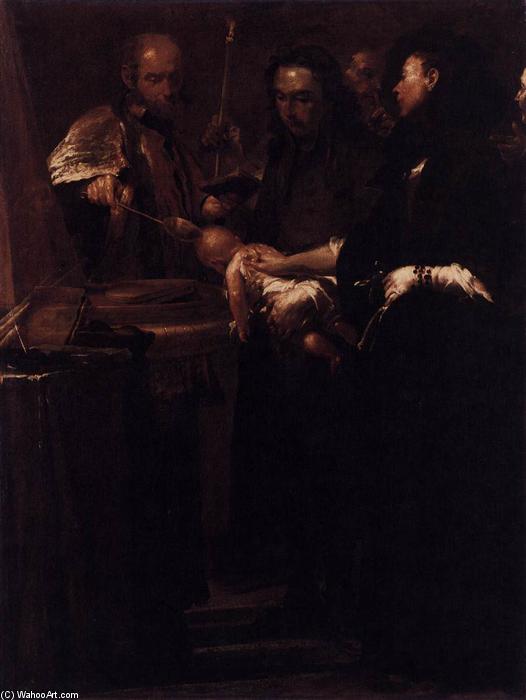
Giuseppe Maria Crespi’s “Baptism”: A Window into Bolognese Baroque Life
Giuseppe Maria Crespi's "Baptism," completed in 1712, isn’t merely a depiction of a religious ceremony; it’s a remarkably intimate portrait of human interaction and the subtle dramas unfolding within a seemingly ordinary scene. Housed at the Gemäldegalerie in Dresden, Germany, this oil on canvas offers a captivating glimpse into the world of 18th-century Bologna, revealing a painter who defied convention and prioritized capturing the essence of everyday life with an unparalleled sensitivity.
Crespi, nicknamed “Lo Spagnuolo” for his penchant for fashionable Spanish attire, was a revolutionary figure in Bolognese art. Unlike many of his contemporaries who flocked to Rome, he remained rooted in his hometown, forging a unique style that blended religious subjects with scenes of domestic life – a bold move at the time. "Baptism" exemplifies this approach; it’s not an idealized representation of faith but a grounded observation of a pivotal moment within a family and community. The painting immediately draws the eye to the central figures: a baby being baptized by a priest, framed against a backdrop of muted colors and carefully orchestrated light.
Composition and Symbolism: Layers of Meaning
The composition is masterfully balanced, guiding the viewer’s gaze through the scene with subtle yet effective techniques. The priest, positioned slightly to the left, holds aloft a holy book and a cross – potent symbols of his role in the sacrament. His gesture is deliberate, conveying both solemnity and compassion. Beside him stands a woman, likely the child's mother or another significant female figure, dressed in a simple black gown with elegant white gloves; her posture suggests quiet reverence and perhaps a touch of maternal concern. To the right, two men observe the ceremony, one holding a candle – a visual representation of illumination and purity – while the other consults a book, possibly referencing scripture or reflecting on the significance of the event.
Beyond these immediate figures, the background contributes significantly to the painting’s layered symbolism. The dark room, punctuated by a window allowing natural light to stream in, creates a dramatic contrast between light and shadow – a technique known as chiaroscuro. This isn't simply an aesthetic choice; it emphasizes the central figures, drawing attention to their emotions and actions while simultaneously hinting at the mysteries of faith. The architectural details, though understated, contribute to the overall sense of realism and grounding the scene in a specific time and place.
Technique and Artistic Style: A Masterclass in Observation
Crespi’s skill lies not just in his ability to depict figures accurately but in his remarkable capacity for observation. He captures the nuances of human expression – the furrowed brow, the gentle smile, the attentive gaze – with astonishing realism. The brushstrokes are loose and expressive, contributing to a sense of immediacy and spontaneity. The use of color is restrained, favoring muted tones that allow the figures and their emotions to take center stage. Crespi’s mastery of chiaroscuro further enhances this effect, creating a dynamic interplay between light and shadow that adds depth and drama to the scene.
Furthermore, the painting reflects the Baroque style prevalent in Bologna during the early 18th century – characterized by dramatic lighting, rich textures, and an emphasis on emotional intensity. However, Crespi departs from traditional Baroque conventions by focusing on everyday life rather than grand historical or mythological subjects. This shift marked a significant departure from established artistic norms and solidified his reputation as a groundbreaking artist.
A Window into the Soul: Emotional Resonance
"Baptism" is more than just a depiction of a religious ceremony; it’s a poignant meditation on family, faith, and the enduring mysteries of life. The painting's quiet intimacy invites viewers to contemplate the significance of this pivotal moment in a child’s life – a moment that marks not only their entry into the Christian community but also the beginning of a lifelong journey of faith and understanding. The subtle expressions of the figures, combined with Crespi’s masterful use of light and shadow, evoke a powerful sense of emotion—a blend of reverence, hope, and quiet joy. It's a testament to Crespi’s ability to capture the essence of human experience and transform it into a timeless work of art.
질의응답
주세페 마리아 크레스피의 "Baptism"은(는) 퍼블릭 도메인인가요?
주세페 마리아 크레스피의 "Baptism"은(는) 퍼블릭 도메인 - 저작권 보호 기간이 만료되었습니다 상태입니다. 이 상태에 따라 해당 작품 이미지의 복제 가능 여부가 결정됩니다.
주세페 마리아 크레스피의 "Baptism"의 구성을 주도하는 색상은 무엇인가요?
"Baptism"에서 가장 돋보이는 색상은 Black (#0d080f)입니다. 작품의 주된 색상을 활용하면 인테리어와 더욱 조화롭게 연출할 수 있습니다.
주세페 마리아 크레스피의 "Baptism"에는 어떤 소재가 등장하나요?
주세페 마리아 크레스피의 "Baptism"에 나타난 주제로는 religion, baptism, ceremony, spirituality, family, light, shadow, symbolism 등이 있습니다. 이들은 모여 작품의 소재를 요약해 보여줍니다.
이 작품에 대해 더 알아보기
 미리보기
미리보기
 공유하기
공유하기 공유하기
공유하기
 상세 정보
상세 정보 가이드 보기

 다운로드
다운로드
 유사 작품 더 보기
 X-레이
X-레이 슬라이드 쇼 보기
 질의응답
질의응답 통계 정보
통계 정보





