미리보기
미리보기
 프린트 구매
 공유하기
공유하기 공유하기
공유하기
 상세 정보
상세 정보

 다운로드
다운로드
 유사 작품
유사 작품 X-레이
X-레이 슬라이드 쇼
Nature studies (11)


 더 보기
더 보기




P118B $10

P118H $10

P118W $10

P438Z $10

P508JH $12

P508YH $12

P805H $10

P805Z $10

P919BZ $10

P919G $10

P919XJ $10

P959ZH $10

P968JZ $12

W106C $8

W218G $10

W218JH $8

W218Y $10

W307PJ $10

W316G $10

W316PJ $8

W316Y $10

W398PJ $8

W4111J $10

W500HY $15

W500JH $15

W692G $12

W849H $8

W940BG $15

W953PJ $8




작품의 원본 비율을 유지하는 미리 설정된 크기 중에서 선택하세요.

특정 프레임이나 공간에 맞도록 직접 크기를 입력할 수 있습니다. 선택하신 크기가 원본 이미지의 비율과 일치하지 않는 경우, 작품을 자르거나 추가적인 손으로 그린 요소를 사용하여 그림을 확장합니다. 제작 시작 전 승인을 위해 디지털 목업을 보내드립니다.
화면 미리 보기는 실제 자르기 또는 확장을 반영하지 않습니다. 최종 구성은 목업을 통해서만 정확하게 확인하실 수 있습니다.
맞춤 크기 제작도 가능하지만, 원본 비율을 유지하기 위해 사전 정의된 목록에서 크기를 선택하시는 것을 권장합니다.
주문 후 OriginalUniqueArt.com 팀에서 상세 안내를 위해 고객님께 이메일을 보내드리며, 미리보기 시안을 제공해 드립니다.


 유리 옵션은 110cm 미만 크기에서만 선택 가능합니다.

Nature studies (11)
재현 기법
복제본 크기
-


최종 결제 금액
$ 300
작품 상세 설명
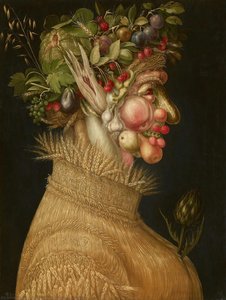
Giuseppe Arcimboldo’s “Nature Studies (11)” – A Renaissance Rhapsody of Form and Flora
Within the hallowed halls of the Österreichische Nationalbibliothek in Vienna resides a captivating enigma, Giuseppe Arcimboldo's "Nature Studies (11)," a painting that transcends mere representation to become a profound meditation on life, death, and the cyclical rhythms of the natural world. Completed in 1577, this masterful work isn’t simply a portrait; it’s an elaborate, meticulously constructed allegory—a testament to Arcimboldo's singular genius and his deep understanding of Renaissance symbolism. The painting depicts a solitary heron standing proudly on one leg, its long neck extended forward with an almost contemplative stillness. Yet, the bird itself is merely the vehicle for a far grander narrative, woven from an astonishing array of organic elements: vibrant fruits, delicate flowers, verdant leaves, and meticulously arranged vegetables—a veritable still life brimming with symbolic weight.
Arcimboldo’s technique is nothing short of breathtaking. He employs a masterful blend of watercolor on parchment, creating textures that range from the smooth sheen of polished fruit to the delicate translucence of petals. The layering is incredibly precise; each element—a single cherry, a curled leaf, a miniature artichoke—is positioned with deliberate care, contributing to the overall composition and reinforcing its inherent symbolism. The color palette is rich and earthy, dominated by browns, greens, and reds, evoking the bounty of autumn and hinting at both abundance and decay – a key theme within the artwork. The lighting is soft and diffused, casting subtle shadows that enhance the three-dimensionality of the assembled forms, drawing the viewer’s eye into this intricate tableau.
The Hermeneutics of Objects: Decoding Arcimboldo's Symbolism
Arcimboldo was a master of visual language, and “Nature Studies (11)” is replete with layers of meaning. The heron itself has been interpreted as representing wisdom, vigilance, and the passage of time – qualities highly valued during the Renaissance. The inclusion of specific fruits and vegetables carries further symbolic weight. Apples, for instance, frequently symbolize knowledge and temptation, while pears represent fertility and abundance. The careful arrangement speaks to a deliberate attempt to create harmony between disparate elements, mirroring the ideal of balance sought after by Renaissance thinkers like Leonardo da Vinci.
Crucially, this painting was commissioned by Emperor Maximilian II, a renowned patron of the arts and a keen student of botany and natural history. Arcimboldo’s court was filled with leading botanists who provided him with an unparalleled wealth of knowledge about plants and their properties. This connection to the imperial court elevates the work beyond a simple artistic exercise; it becomes a visual representation of the emperor's power, his connection to nature, and his intellectual pursuits. The painting can be seen as a reflection of the Renaissance fascination with the interconnectedness of all things – a belief that humanity was an integral part of the natural world.
A Window into the Renaissance Mind
“Nature Studies (11)” offers a remarkable glimpse into the mindset of the late 16th century. The Renaissance witnessed a renewed interest in classical antiquity, alongside a burgeoning scientific curiosity and a profound appreciation for the beauty and complexity of the natural world. Arcimboldo’s work embodies these trends perfectly, blending artistic skill with intellectual inquiry. The painting reflects the era's fascination with metamorphosis—the idea that things are constantly changing and transforming – mirroring the cyclical nature of life, death, and rebirth.
Furthermore, it aligns with the broader context of “Vertumnus,” another iconic Arcimboldo work depicting the Roman god of fertility and seasons. Both paintings share a similar conceptual framework—the transformation of human form into natural elements—and demonstrate Arcimboldo’s consistent exploration of themes related to nature, power, and the passage of time. The painting's enduring appeal lies in its ability to simultaneously delight the eye with its intricate detail and stimulate the mind with its rich symbolism.
Bringing “Nature Studies (11)” Home: Reproduction Options
Reproductions of Arcimboldo’s "Nature Studies (11)" are available through various reputable art dealers, offering a beautiful way to bring this iconic masterpiece into your home or office. High-quality prints on archival paper ensure that the colors and details remain vibrant for generations to come. For those seeking an authentic experience, hand-painted reproductions meticulously recreate Arcimboldo’s original technique, capturing the nuances of his watercolor style with remarkable accuracy. Consider framing options that complement the painting's rich palette and evoke the atmosphere of a Renaissance studio – perhaps a simple wooden frame or a more ornate gilded design.
Whether you choose a print or a hand-painted reproduction, owning a piece inspired by “Nature Studies (11)” is an investment in art history, symbolism, and timeless beauty. It’s a reminder of the enduring power of visual storytelling and the genius of Giuseppe Arcimboldo – a true visionary who transformed ordinary objects into extraordinary works of art.
작가 약력
세계의 재해석: 수수께끼 같은 예술가 주세페 아르침볼도
주세페 아르침볼도(Giuseppe Arcimboldo)라는 이름은 기발하면서도 심오하게 이상한 이미지를 불러일으키며 르네상스 미술에서 가장 독특한 인물 중 한 명으로 남아 있습니다. 1527년 밀라노에서 태어난 그의 경력은 지적 발효, 종교적 격변, 자연 세계에 대한 끊임없는 호기심이 깊게 배어든 유럽의 배경 속에서 펼쳐졌습니다. 처음에는 성당을 장식하는 프레스코화나 확립된 궁정 표준을 준수하는 초상화로 인정받았지만, 아르침볼도의 지속적인 유산은 과일, 채소, 꽃, 심지어 악기를 정교하게 배열하여 구성된 복합 두상 연작에 있습니다. 이것들은 단순한 시각적 속임수가 아니었습니다. 르네상스 세계관 내에서 깊이 공명하고 오늘날에도 관객을 사로잡는 상징으로 가득 찬 복잡한 비유였습니다. 그의 아버지 비아조 아르침볼도 역시 예술가였으며, 젊은 주세페에게 초기 미술 교육을 제공했고 1549년경 밀라노 대성당의 스테인드 글라스 창문과 프레스코화 디자인에 참여하는 데 영향을 미쳤을 가능성이 높습니다. 이 기초적인 경험은 그의 나중 독특한 창작물의 특징이 될 기술적 숙련도와 세부 사항에 대한 안목을 연마했습니다.궁정 의뢰와 독특한 스타일의 부상
아르침볼도의 궤적은 1562년 빈 합스부르크 궁정에서 페르디난트 1세의 궁정 초상화 화가로 임명되면서 중요한 전환점을 맞았습니다. 이것은 그가 막시밀리안 2세와 그의 아들 루돌프 2세를 포함한 세 명의 합스부르크 통치자를 위해 20년 이상 예술 폴리매스로 봉사하기 시작하는 것을 의미했습니다. 초상화를 의뢰받았지만, 심지어 이러한 초상화에서도 미묘한 기발함이 드러났습니다. 아르침볼도의 임무에는 의상 디자인, 축제 장식 및 황실 컬렉션 조직도 포함되었습니다. 이 세련된 취향과 지적 호기심의 환경에서 그의 시그니처 스타일이 꽃피기 시작했습니다. 궁정의 참신함과 화려함에 대한 수요는 실험을 위한 비옥한 기반을 제공하여 그가 전통적인 초상화에서 유명한 “복합 두상” 창작으로 나아갈 수 있도록 했습니다. 이것들은 갑작스러운 충동에서 비롯된 것이 아니라 르네상스 시대의 퍼즐, 수수께끼에 대한 매혹과 평범해 보이는 물건 안에 숨겨진 의미를 탐구하는 데 기반을 두고 점차적으로 발전했습니다. *트로페 로일* 효과와 왜곡된 관점을 실험한 이전 예술가들의 영향이 감지될 수 있지만, 아르침볼도는 이러한 요소를 완전히 자신만의 것으로 합성하여 기존의 표현 개념에 도전하는 독특한 시각 언어를 만들어냈습니다.상징 해독: 보이는 것 이상의 의미
아르침볼도의 작품을 단순한 기발함으로 치부하는 것은 그 안에 담긴 심오한 지적 깊이를 간과하는 것입니다. 그의 복합 초상화 내의 모든 물체는 앉은 사람의 성격, 직업 또는 사회적 지위에 관련된 상징적인 의미로 신중하게 선택되었습니다. 예를 들어 *사서*는 단순히 책으로 구성된 얼굴이 아닙니다. 그것은 학문적 허세를 미묘하게 비판하는 해설입니다. 즉, 내용을 진정으로 이해하지 않고 지식을 축적하는 사람들에 대한 해설입니다. 수염을 형성하는 동물 꼬리는 선반에 먼지가 쌓인 채 방치된 책을 암시합니다. 마찬가지로 그의 계절 초상화 – 특히 황제 루돌프 2세를 정원과 변화의 로마 신 베르툼누스로 묘사한 *베르툼누스*는 황제의 과학 및 자연사 후원에 반영되는 식물 상징으로 풍부합니다. 이것들은 즉시 해독하기 위한 것이 아니었습니다. 그것은 관객이 장식적인 배열 안에 숨겨진 의미의 레이어를 풀도록 초대하여 사색을 유도하도록 설계되었습니다. 무생물의 물질로 인간의 모습을 구성하는 행위 자체는 르네상스 신플라톤주의의 믿음인 우주의 근본적인 조화에 대한 성찰, 즉 모든 것의 상호 연결성에 대한 성찰이었습니다.유산과 재발견: 초현실주의의 선구자
그가 생존하는 동안 성공을 거두었음에도 불구하고 아르침볼도는 1593년 사망 후 수세기 동안 명성이 하락했습니다. 그의 작품은 종종 호기심의 영역으로 격하되었으며, 기술적 숙련도에 대해서는 높이 평가했지만 심각한 예술적 가치가 없는 것으로 여겨졌습니다. 20세기에 이르러서야 초현실주의의 부상으로 그의 예술에 대한 새로운 감상이 등장했습니다. 살바도르 달리와 같은 예술가들은 아르침볼도에게 동족을 발견했습니다. 즉, 기존 인식을 도전하고 예상치 못한 이미지의 병치를 통해 무의식을 탐구하는 비전가였습니다. 달리의 꿈과 같은 구성에서 아르침볼도의 영향이 보이며 변형과 환상에 대한 그의 매혹이 드러납니다. 오늘날 아르침볼도는 미술사에서 중요한 인물로 기념되고 있습니다. 즉, 혁신적인 상징 사용과 장난스러운 왜곡이 전 세계 예술가들에게 영감을 주고 관객을 사로잡는 초현실주의의 선구자입니다. 그의 그림은 빈 Kunsthistorisches Museum 및 파리 루브르 박물관과 같은 권위 있는 박물관에 소장되어 있으며, 그의 독특한 비전은 앞으로도 여러 세대에 걸쳐 공명할 것입니다. 그의 유산은 상상력의 지속적인 힘과 예술이 우리 주변 세계에 대한 이해를 변화시키는 능력에 대한 증거입니다.
주세페 아르침볼도
1527 - 1593 , 이탈리아
주요 정보
- Artistic Movement Or Style: 마니에리스모, 초현실주의
- Artists Or Movements Influenced By This Artist:
- 살바도르 달리
- 초현실주의
- Date Of Birth: 1527년 4월 5일
- Date Of Death: 1593년 7월 11일
- Full Name: Giuseppe Arcimboldo
- Nationality: 이탈리아인
- Notable Artworks:
- Floral Still Life
- The Four Seasons
- Vertumnus
- The Librarian
- Place Of Birth (City And Country): 밀라노, 이탈리아
관련 기사 더 보기

Watercolor Wonders: 10 Masterpieces That Redefined Art History | OriginalUniqueArt
Journey through 10 legendary watercolor masterpieces by Sargent, Turner & Homer! Explore iconic landscapes, portraits & floral art that redefined history. Find museum-quality reproductions and curated decor ideas at OriginalUniqueArt.com.

Ephemeral Visions: Exploring the Artistic Legacy & Contemporary Practice of Watercolor Painting
Explore the captivating world of watercolor painting! Discover its rich history, essential techniques, influential artists & collecting tips. A comprehensive guide for art enthusiasts from OriginalUniqueArt.

Ephemeral Visions: Exploring the History & Emotional Resonance of Watercolor Painting
Explore the captivating history of watercolor painting, from ancient techniques to modern masters like Kandinsky & Blake. Discover essential artists, collecting tips & the emotional power of this luminous medium. Expert insights for art enthusiasts.

Ephemeral Visions: Exploring the Artistic Legacy & Nuances of Watercolor Painting
Explore the captivating world of watercolor painting! Discover its rich history, essential techniques, influential artists & collecting tips from art experts. A comprehensive guide for enthusiasts.

수채화의 영원한 매력: 역사 속 걸작부터 현대적 실천까지
수채화의 역사부터 기법, 유명 작가까지! OriginalUniqueArt에서 고품질 수채화 복제품과 커스텀 제작 서비스를 만나보세요. 전문가 컨설팅으로 당신의 공간에 완벽한 예술 작품을.