
 미리보기
미리보기
 공유하기
공유하기 공유하기
공유하기
 상세 정보
상세 정보 가이드 보기

 다운로드
다운로드
 유사 작품 더 보기
 X-레이
X-레이 슬라이드 쇼 보기
 질의응답
질의응답 통계 정보
통계 정보Virgin with the Child

- 105.0 x 77.0 cm


 더 보기
더 보기
지클레 / 아트 프린트
빠른 제작과 다양한 마감 옵션을 제공하는 박물관 수준의 지클레이 및 캔버스 프린트. ( 수작업 채색 복제본 주문하기 디지털 이미지로 전환)




P118B ₩10

P118H ₩10

P118W ₩10

P438Z ₩10

P508JH ₩12

P508YH ₩12

P805H ₩10

P805Z ₩10

P919BZ ₩10

P919G ₩10

P919XJ ₩10

P959ZH ₩10

P968JZ ₩12

W106C ₩8

W218G ₩10

W218JH ₩8

W218Y ₩10

W307PJ ₩10

W316G ₩10

W316PJ ₩8

W316Y ₩10

W398PJ ₩8

W4111J ₩10

W500HY ₩15

W500JH ₩15

W692G ₩12

W849H ₩8

W940BG ₩15

W953PJ ₩8




작품의 원본 비율을 그대로 유지하는 프리셋 사이즈 중에서 선택해 보세요.

액자나 벽면 크기에 맞춰 필요한 가로와 세로 길이를 입력해 주세요. 프린트는 원본 이미지보다 크게 제작할 수 없으며 오직 자르는 것만 가능하므로, 비율이 다른 사이즈를 선택할 경우 이미지의 일부가 잘려 나갈 수 있습니다. 인쇄 작업에 들어가기 전, 최종 확인을 위해 디지털 목업을 보내드립니다. 이 페이지에 표시된 이미지는 실제 잘리는 영역을 나타내지 않으며, 오직 목업을 통해서만 정확한 확인이 가능합니다.


 유리 옵션은 110cm 미만 크기에서만 선택 가능합니다.

Virgin with the Child
지클레 / 아트 프린트
복제본 크기
-


최종 결제 금액
₩ 108463
A Divine Encounter: Giulio Romano’s ‘Virgin with the Child’
Giulio Romano's “Virgin with the Child,” painted in Rome around 1520, is more than just a depiction of Mary and infant Jesus; it’s a profound exploration of faith, power, and the nascent complexities of Mannerism. Emerging from the shadow of Raphael’s High Renaissance legacy, Romano boldly pushed beyond idealized beauty, embracing a style characterized by dramatic contrasts, unsettling perspectives, and an intense psychological depth – hallmarks that would define the era of Mannerism. This particular work, housed within a 105 x 77 cm canvas, offers a captivating glimpse into this pivotal moment in art history, showcasing Romano’s evolving artistic voice and his masterful command of color, form, and narrative.
The painting immediately draws the eye to the central figures. Mary, rendered with a subtle yet commanding presence, is not presented as a serene Madonna but rather as a woman imbued with authority and a quiet strength. Her blue dress, rich in texture and subtly shimmering, contrasts dramatically with the gold of her crown – a visual declaration of her divine status while simultaneously hinting at worldly power. The infant Jesus, equally captivating, wears his own miniature crown, mirroring his mother’s adornment and suggesting an immediate equality within their sacred bond. The composition is carefully orchestrated; the figures are not simply placed within a space but actively engaged in a dynamic interaction, creating a sense of movement and narrative tension.
Mannerist Innovation: Style and Technique
Romano’s style in “Virgin with the Child” is distinctly Mannerist. He departs from the balanced compositions and harmonious colors of Raphael, favoring instead elongated figures, distorted perspectives, and an almost theatrical use of light and shadow. Notice how the background recedes sharply, creating a sense of spatial ambiguity – a technique known as *sprezzatura*, intended to evoke a feeling of surprise and disorientation. The artist employs a sophisticated layering of pigments, utilizing glazes and scumbles to build up texture and create a luminous quality that is both ethereal and intensely realistic. The use of gold leaf, particularly in the crown and details of the clothing, adds to the painting’s opulence and reinforces its symbolic weight.
Technically, Romano demonstrates a remarkable understanding of anatomy and drapery – skills honed during his apprenticeship with Raphael. However, he deliberately manipulates these elements to achieve a desired expressive effect. The folds of Mary's dress are not simply decorative; they seem to flow and ripple with an inner energy, mirroring the emotional intensity of the scene. Similarly, the infant Jesus’s pose is subtly unsettling, hinting at a vulnerability beneath his angelic appearance.
Historical Context: Rome in Transition
The creation of “Virgin with the Child” coincides with a period of immense upheaval and transformation in Rome. The Sack of 1527 had shattered the city's artistic and political stability, scattering its artists and patrons. Raphael’s untimely death further compounded this crisis, leaving a void that Romano was uniquely positioned to fill. He inherited not only the responsibility for completing unfinished commissions but also the daunting task of redefining the visual language of High Renaissance art. This painting can be viewed as a deliberate assertion of Romano's artistic independence – a bold departure from his master’s style while retaining a deep respect for his legacy.
The presence of the two secondary figures in the background adds another layer of complexity to the scene. Their identities remain ambiguous, perhaps representing the theological or political forces that shaped Mary’s life and role within the Christian narrative. The small object on the ground – resembling a book or scroll – could symbolize divine revelation or the transmission of sacred knowledge. These subtle details invite viewers to engage in a deeper interpretation of the work, moving beyond a simple representation of a religious subject.
Symbolism and Emotional Resonance
Beyond its technical brilliance, “Virgin with the Child” is rich in symbolic meaning. The crown worn by both Mary and Jesus represents their divine authority and connection to God. The blue color associated with Mary often symbolizes purity, loyalty, and truth – qualities essential to her role as the Mother of God. The painting’s overall effect is one of profound emotional resonance. It evokes a sense of reverence, mystery, and perhaps even a touch of melancholy—a recognition of both the beauty and the challenges inherent in faith. This reproduction captures that same evocative power, offering a stunning addition to any art collection or interior space.
질의응답
줄리오 로마노의 "Virgin with the Child"은(는) 무엇을 묘사하고 있으며, 어떤 분위기를 자아내나요?
줄리오 로마노의 "Virgin with the Child"은(는) virgin mary, child jesus, renaissance, halo, crown, religious, composition, romano와(과) Elegant한 분위기가 어우러진 작품입니다.
"Virgin with the Child"의 색감은 얼마나 선명한가요?
줄리오 로마노의 "Virgin with the Child"의 색채는 Muted의 채도와 Monochromatic의 강도를 보여줍니다.
제작 시기를 고려할 때, "Virgin with the Child"은 줄리오 로마노의 예술적 여정 중 어느 단계에 해당하나요?
1520년에 제작된 "Virgin with the Child"은(는) 줄리오 로마노의 Mature Period 시기에 해당합니다.
작가 정보
로마의 시작과 거장의 수련
1499년경 로마에서 줄리오 피피(Giulio Pippi)라는 이름으로 태어난 줄리오 로마노는 미술적으로 격동적인 시기에 등장했습니다. 그의 초기 삶에 대한 자세한 내용은 다소 모호하지만, 그는 곧바로 르네상스 시대 가장 유명한 화가로 여겨지는 라파엘의 주변을 맴돌았다는 것은 알려져 있습니다. 이 수련 과정은 그의 기술적 능력뿐만 아니라 미래 스타일 탐구의 기반을 형성하는 데 결정적인 역할을 했습니다. 줄리오는 단순한 공방 조수가 아니었습니다. 그는 빠르게 없어서는 안 될 협력자가 되어 교황 율리우스 2세와 레오 10세가 의뢰한 바티칸 스탄차 장식과 같은 중요한 프로젝트에 기여했습니다. 그의 손길은 기적적인 개입을 묘사하는 기념비적인 프레스코화 <보르고의 화재>에서 확인할 수 있습니다. 1520년 라파엘의 갑작스러운 죽음 이후, 줄리오는 카르디날 줄리아노 데 메디치의 빌라 마다마 장식과 같이 미완성된 의뢰를 완수할 책임을 물려받았습니다. 이러한 초기 대규모 프로젝트 경험과 귀족 후원자의 요구는 그의 나중 경력을 정의할 자신감과 야망을 그에게 심어주었습니다.만니에리스모의 탄생: 고전적 조화로부터의 이탈
르네상스 전통에 깊이 뿌리를 두고 있었지만, 줄리오 로마노의 예술적 궤적은 곧 고전적인 균형과 조화를 강조하는 기존의 흐름에서 벗어나기 시작했습니다. 그는 인공성, 우아함, 종종 불안정한 형태 왜곡을 특징으로 하는 스타일인 만니에리스모의 발전에 핵심적인 역할을 했습니다. 미켈란젤로의 강력한 인물과 역동적인 구도뿐만 아니라 광범위한 예술적 실험 분위기에 깊은 영향을 받아 줄리오는 그의 작품에서 비대칭, 긴장감, 감정적 강도를 포용하기 시작했습니다. 이것이 르네상스 이상에 대한 거부라기보다는 자연주의의 제약을 뛰어넘어 더 표현적이고 지적으로 자극적인 작품을 만들기 위한 의도적인 탐구였습니다. 그는 점차 라파엘의 계획을 수정하여 로마 미술에 새로운 감각—웅장한 규모의 만니에리스모 선언문을 주입했습니다. 이러한 변화는 그의 자유로운 선과 극적인 원근법에 대한 경향을 보여주는 그의 드로잉에서 쉽게 알 수 있습니다.만투아의 거장: 팔라초 테와 건축적 혁신
1524년, 줄리오는 만투아 공작 페데리코 곤자가 궁정 화가이자 건축가가 되라는 초청을 받았습니다. 이것은 그의 경력에서 전환점을 찍으며 전례 없는 창의적인 자유와 자원을 제공했습니다. 그는 본질적으로 공국 내 모든 예술 활동에 책임을 지게 되었고, 그림과 프레스코화뿐만 아니라 건축 프로젝트, 정원 디자인, 심지어 연극 제작까지 감독했습니다. 이 기간 동안 그의 가장 유명한 업적은 의심할 여지 없이 그의 혁신적인 천재성을 입증하는 특별한 교외 빌라인 팔라초 테입니다. 궁전의 내부는 숨막힐 듯 복잡하고 심리적 깊이를 지닌 환상적인 프레스코화로 장식되어 있습니다. 예를 들어, *거인의 방*은 신과 거인 사이의 혼란스러운 전투를 묘사하여 관람객을 인물과 건축 조각이 소용돌이치는 소용돌이에 빠뜨립니다. 이 공간과 원근법의 능숙한 조작은 경외심과 불안감을 동시에 불러일으키는 몰입형 경험을 만듭니다. 팔라초 테 외에도 줄리오는 만투아 공궁과 대성당에 상당한 개조를 수행하여 도시 풍경에 지울 수 없는 흔적을 남겼습니다.유산과 지속적인 영향
줄리오 로마노는 1546년 만투아에서 사망했으며 그의 유산은 이탈리아 국경 너머로 확장되었습니다. 그의 드로잉은 수집가들에게 매우 귀중하게 여겨졌으며, 특히 마르칸토니오 라이몬디의 작품을 기반으로 한 판화는 이탈리아 예술 스타일이 유럽 전역에 확산되는 데 중요한 역할을 했습니다. 그는 사후에도 너무 유명해서 윌리엄 셰익스피어가 연극에서 “현대” 예술가로 언급한 유일한 인물이었습니다—그의 광범위한 명성을 입증하는 증거입니다. 그의 영향력은 역동적인 구도, 길쭉한 인물, 표현적인 색상 사용을 채택한 수많은 후속 예술가의 작품에서 볼 수 있습니다. 만니에리스모가 결국 다른 스타일 운동에 자리를 내주었지만 줄리오 로마노의 기여는 서양 미술의 진화를 이해하는 데 필수적입니다. 그는 고전적인 르네상스 이상에서 16세기 후반의 더 복잡하고 감정적으로 충전된 미학으로의 전환을 나타냅니다. 그의 작품은 오늘날에도 계속해서 관람객을 사로잡고 도전하며 예술이 세상을 반영하고 형성하는 힘을 상기시켜줍니다.
줄리오 로마노
1499 - 1546 , 이탈리아
작가 정보 요약
- Artistic Movement Or Style: 만네리스모
- Artists Or Movements Influenced By This Artist: ['만네리스모 예술가들']
- Artists Who Influenced This Artist:
- 라파엘로
- 미켈란젤로
- Date Of Birth: 약 1499년
- Date Of Death: 1546년 11월 1일
- Full Name: 줄리오 로마노
- Nationality: 이탈리아인
- Notable Artworks (List Of Titles):
- 보르고의 화재
- 팔라초 테
- 빌라 마다마
- Place Of Birth (City And Country): 로마, 이탈리아
관련 콘텐츠

Divine Grace: An Art Historian's Journey Through Iconic Masterpieces of the Virgin Mary
Explore the profound beauty of Marian iconography through an art historian's lens. Discover iconic masterpieces by Raphael and Renaissance masters, celebrating the divine grace and timeless elegance of the Virgin Mary in classical fine art.

Italian Renaissance Art: A Procurement Guide to Timeless Masterpieces for High-End Hotel Interiors
A professional procurement guide for hotel designers seeking Italian Renaissance masterpieces. Discover how to utilize chiaroscuro, custom oil reproductions, and large-scale murals to elevate hospitality interiors with timeless, high-impact classical art.

프라 안젤리코의 걸작 25선: 천상의 아름다움을 담은 명화 컬렉션 | OriginalUniqueArt
프라 안젤리코의 천상의 아름다움을 담은 25개의 명작을 만나보세요. 르네상스 시대 종교화, 금박 기법, 섬세한 색채가 빛나는 예술 작품들을 OriginalUniqueArt에서 감상하고 특별한 인테리어로 완성하세요. 지금 바로 컬렉션을 탐험하세요!
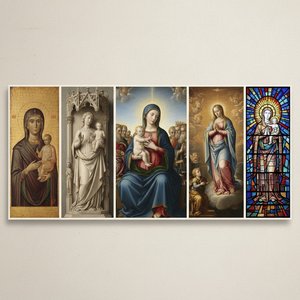
Divine Grace: A Journey Through the Most Iconic Depictions of the Virgin Mary in Art History
Embark on a profound journey through art history with our exploration of the most iconic depictions of the Virgin Mary. Discover the divine grace, symbolism, and masterful techniques found in Renaissance masterpieces and sacred iconography.
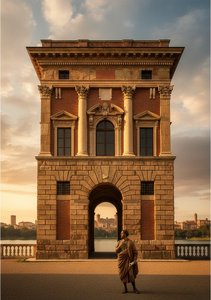
Giulio Romano: A Master of Mannerism & the Palazzo Te Legacy
Explore the revolutionary art of Giulio Romano, master of Mannerism & architect of Palazzo Te. Discover his influence, investment potential, and stunning frescoes – a guide for discerning collectors.
