Italian Renaissance · 1550
Pietà (줄리오 클로비오, 1550)
줄리오 클로비오 (1498–1578) 작가의 Pietà 1550년에 제작되었습니다. Italian Renaissance 운동에 속합니다. Manuscript(으)로 제작되었습니다. 피렌체, 이탈리아에 위치한 우피치 미술관에 소장되어 있습니다. 크기는 368 × 257 cm입니다.
- 1550
- Manuscript
- 368 × 257 cm
- 우피치 미술관, 피렌체

 미리보기

 수작업 유화 작품
 공유하기
 공유하기
 학습용 요약본


 다운로드
 유사 작품 더 보기
 X-레이
 슬라이드 쇼 보기
 질의응답

 통계 정보
Pietà 요약
- 제목
- Pietà
- 작가
- 줄리오 클로비오 (1498–1578)
- 작가 출생지
- 그리자네, 크로아티아
- 제작 연도
- 1550
- 매체
- Manuscript
- 크기
- 368 × 257 cm
- 전시 장소
- 우피치 미술관, 피렌체, 이탈리아
- 제작 시기
- Renaissance
- 주제
- virgin mary, jesus christ, religious iconography, renaissance art, classical composition, emotional depth
Pietà은(는) 무엇을 묘사하고 있나요?
A Testament to Sorrow and Divine Grace
In the quiet, hallowed corridors of art history, few images resonate with the profound emotional gravity found in Giulio Clovio’s Pietà. Created around 1550, this masterpiece serves as a breathtaking bridge between the fading echoes of the Gothic tradition and the luminous dawn of the High Renaissance. The scene captures the quintessential moment of Christian sorrow: the Virgin Mary cradling the lifeless body of Jesus Christ following his crucifixion. It is not merely a depiction of death, but a profound meditation on compassion—the very meaning of the word Pietà. Through Clovio’s masterful hand, the heavy weight of mortality is balanced by an ethereal sense of divine grace, inviting the viewer into a space of deep, contemplative mourning.
The composition is a masterclass in Renaissance balance and narrative depth. At the heart of the work, Mary sits as a pillar of strength and grief, her blue cloak—a color traditionally symbolizing her heavenly connection—draped with a weight that mirrors her sorrow. The figure of Christ, depicted with a serene, almost peaceful countenance despite his recent agony, rests heavily in her lap, creating a poignant focal point that draws the eye through its sheer vulnerability. Surrounding this central tragedy, celestial beings and saints emerge from the shadows; angels with active, reaching gestures and observers in prayerful poses create a sense of a cosmic event unfolding. This layering of figures ensures that the viewer’s gaze wanders through a complex web of devotion, from the intimate touch of a mother to the collective mourning of the heavens.
Technique and the Radiance of Light
What truly distinguishes Clovio’s work is his unparalleled ability to manipulate light and color, a skill honed during his time as one of history's greatest manuscript illuminators. Though this piece possesses the scale and grandeur of a monumental painting, it retains the meticulous, jewel-like precision of a miniature. Clovio employed a sophisticated technique of layering translucent glazes over gold leaf, a method that allows light to penetrate the surface and reflect back, creating an inner luminosity that seems to emanate from within the figures themselves. The use of ultramarine blue, derived from the precious stone lapis lazuli, provides a depth of color that is both regal and somber, anchoring the composition in a palette of earth tones and celestial blues.
The interplay of light and shadow—chiaroscuro—is used here not just for anatomical realism, but to direct the emotional narrative. Light strikes Mary’s face from the side, carving her features out of the darkness and highlighting the subtle lines of grief and devotion. This dramatic contrast creates a sculptural quality, giving the figures a tangible presence that commands the room. For the discerning collector or interior designer, such a work offers more than mere decoration; it provides a focal point of immense character. A high-quality reproduction of this Pietà brings with it an atmosphere of timelessness and intellectual depth, making it an exquisite addition to a curated space that values historical resonance and the profound beauty of the human spirit.
Pietà은(는) 어느 미술관에 소장되어 있나요?
우피치 미술관
피렌체, 이탈리아
우피치 미술관의 역사와 기원 이탈리아 피렌체의 심장부에 자리 잡은 우피치 미술관은 그 이름만큼이나 깊은 역사를 품고 있습니다. 이 건축물은 1560년, 조르조 바사리가 피렌체의 행정관들을 위해 설계하면서 그 역사가 시작되었습니다. 1560년부터 1580년 사이에 걸쳐 완공된 이 구조물은 본래 도시 정부의 다양한 위원회와 기관들을 한데 모아 효율적인 행정을 펼치기 위한 사무 공간, 즉 '오피치(Uffizi, 사무실)'로서 그 목적을 가지고 세워졌습니다.
 산드로 보티첼리의 '비너스의 탄생'을 경험해 보세요! 고전적인 아름다움과 우아함을 보여주는 르네상스 걸작입니다. 이 상징적인 작품의 멋진 복제품을 소유하고 시대를 초월한 우아함을 만나보세요.
The Birth of Venus
artworks_database
/en/art/sandro-botticelli-the-birth-of-venus-5ZKBGL-en/
/media/artworks/images/thumbnails/17/7a/177a3bd7498산드로 보티첼리, 1485
 프라미네라산드로 보티첼리, 1482
 우르비노의 비너스티치아노, 1538
Pietà의 고해상도 이미지

줄리오 클로비오, Pietà (1550), 우피치 미술관. 퍼블릭 도메인
Pietà에 관한 질문과 답변
"Pietà"의 원작은 어느 박물관에 소장되어 있나요?
줄리오 클로비오의 "Pietà"은(는) 언제 제작되었나요?
줄리오 클로비오의 "Pietà"의 기법은 무엇인가요?
"Pietà"은(는) 어떤 내용을 담고 있나요?
"Pietà"은(는) 저작권으로부터 자유로운가요?
줄리오 클로비오의 "Pietà"은(는) 어떤 미술 사조에 속하나요?
아티스트 줄리오 클로비오 소개

1498–1578, 크로아티아
줄리오 클로비오
이탈리아 르네상스의 크로아티아 빛나는 별 1498년, 크로아티아 그리자네의 완만한 언덕 사이에서 유라이 율리에 클로비치라는 이름으로 태어난 줄리오 클로비오는 후기 고딕 양식의 필사본 삽화 전통과 태동하던 성기 르네상스를 잇는 중추적인 인물입니다. 그의 뿌리는 크로아테아 왕국에 두고 있었으나, 클로비오의 예술적 천재성이 진정으로 꽃을 피운 곳은 이탈리아였습니다. 그곳에서 그는 당대 최고의 채식가(illuminator)라는 명성을 얻었으며, 수 세기를 거슬러 올라가는 예술적 계보의 마지막 위대한 거장으로 자리매김했습니다. 그의 삶은 놀라운 재능과 영민한 후원자들과의 만남, 그리고 미니어처를 숨 막히게 정교하고 세련된 예술 형식으로 탈바꿈시키고자 했던 흔들림 없는 헌신의 기록입니다.
줄리오 클로비오의 다른 작품들
 The Rape of Ganymede
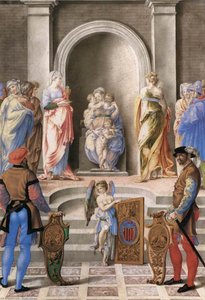 The Three Theological Virtues
 Holy Family with Santa Isabel and San Juanito1556
 Pages from the Farnese Hours1538
Pietà 관련 에세이
 Masterpieces of Giotto: The Top 25 Essential Artworks of the Renaissance PioneerExplore Giotto's greatest masterpieces and his role in the Renaissance. Discover the full collection online at OriginalUniqueArt.com.
 Mastering Color and Light: The Timeless Brilliance of Titian's Venetian MasterpiecesExplore the luminous mastery of Titian. Discover how the Venetian master revolutionized color and light through breathtaking Renaissance te…
 Michelangelo Buonarroti: A Renaissance Titan – Life, Works & Enduring LegacyExplore the life, works & enduring legacy of Michelangelo Buonarroti, a Renaissance titan. Discover his iconic sculptures, frescoes, and ar…