
 미리보기
미리보기
 공유하기
공유하기 공유하기
공유하기
 상세 정보
상세 정보

 다운로드
다운로드
 유사 작품
유사 작품 X-레이
X-레이 슬라이드 쇼
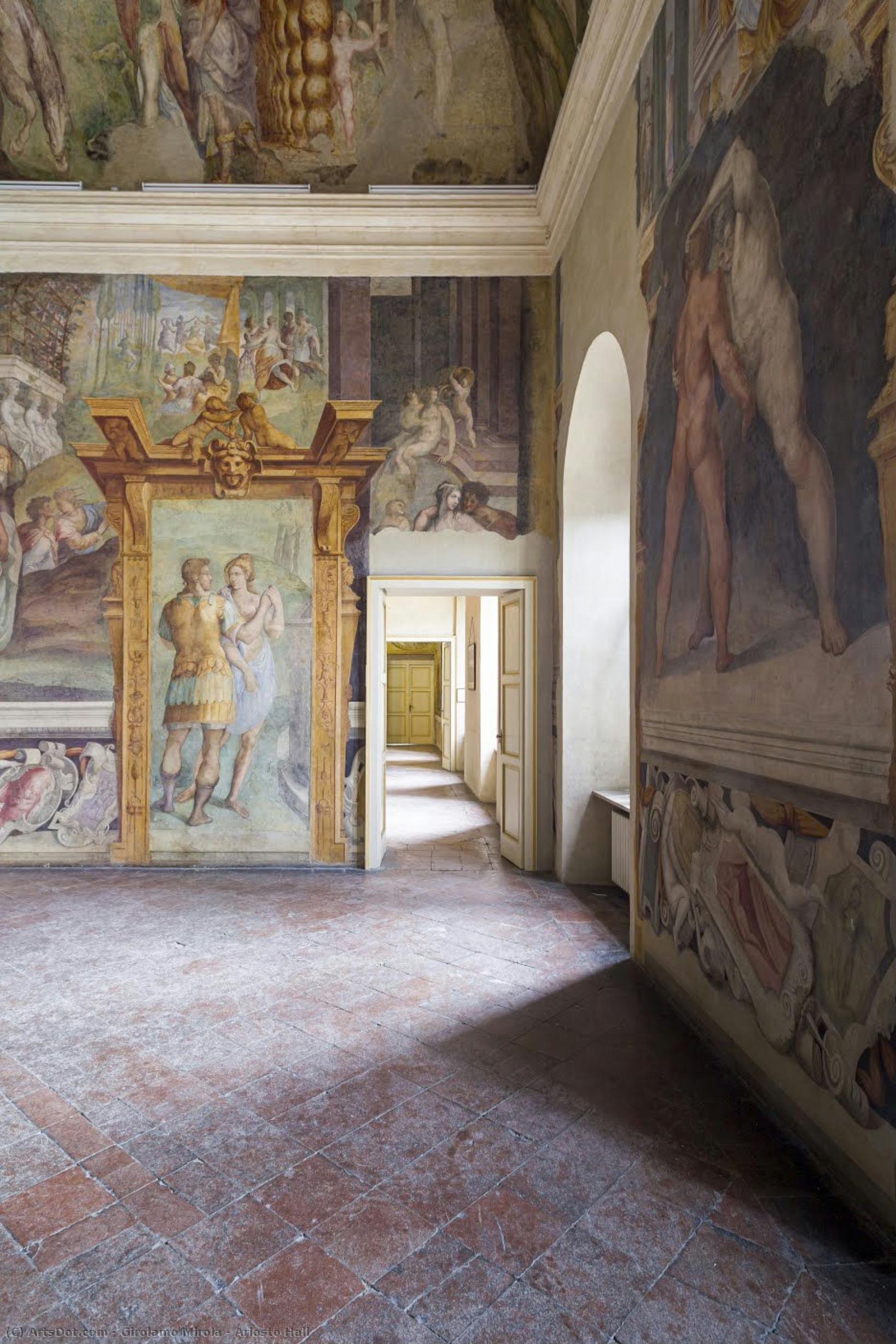
Ariosto Hall


 더 보기
더 보기
지클레 / 아트 프린트
빠른 제작과 다양한 마감 옵션을 제공하는 박물관 품질의 지클레이 또는 캔버스 프린트. ( 손으로 그린 그림 구매 이미지 구매)




































작품의 원본 비율을 유지하는 미리 설정된 크기 중에서 선택하세요.

특정 프레임이나 공간에 맞춰 직접 치수를 입력하실 수 있습니다. 선택하신 사이즈가 원본 이미지의 비율과 일치하지 않을 경우, 작품을 크롭(자르기)하거나 이미지를 대칭 또는 단색 채우기로 확장하여 제작합니다. 제작 시작 전, 최종 확인을 위해 디지털 목업이 전송됩니다.
화면상의 미리보기는 실제 크롭이나 확장 상태를 반영하지 않으므로, 최종 구도는 오직 목업을 통해서만 정확하게 확인하실 수 있습니다.
맞춤 사이즈 제작도 가능하지만, 원본 비율을 유지하기 위해서는 사전 정의된 목록에서 치수를 선택하시는 것을 권장합니다.


 유리 옵션은 110cm 미만 크기에서만 선택 가능합니다.

Ariosto Hall
지클레 / 아트 프린트
복제본 크기
-


최종 결제 금액
$ 80
작품 상세 설명
작가 약력
Early Life and Formation in Bologna
Girolamo Mirola, born in Bologna around 1530 or 1535, emerged during a vibrant period of artistic ferment in the Emilian region of Italy. While specific details regarding his early training remain elusive, it is understood that he absorbed the prevailing aesthetic currents of his native city—a center renowned for its sophisticated painting traditions and intellectual life. Bologna at this time was steeped in the legacy of Renaissance masters, yet also receptive to emerging Mannerist styles. This confluence likely shaped Mirola’s artistic sensibilities from a young age, fostering a blend of classical elegance and expressive dynamism that would characterize his mature work.
The Palazzo del Giardino Commissions
Mirola's career gained significant momentum through his involvement in the ambitious decorative schemes at the Palazzo del Giardino in Parma. Engaged alongside Jacopo Zanguidi, known as il Bertoja, he contributed to a series of breathtaking frescoes that transformed the palace into a veritable showcase of Renaissance artistry. These commissions, undertaken during the 1560s, provided Mirola with an unparalleled opportunity to demonstrate his skills on a grand scale and establish his reputation among discerning patrons. The Palazzo del Giardino became synonymous with refined taste and intellectual pursuits under the patronage of Octavius Farnese, and Mirola’s contributions were integral to this vision.
A Style Rooted in Emilian Tradition
Mirola's artistic style is firmly anchored within the Emilian school of painting—a tradition celebrated for its harmonious compositions, luminous color palettes, and graceful figural representations. He possessed a remarkable ability to depict mythological narratives with both elegance and emotional depth. His frescoes are characterized by fluid lines, balanced forms, and a subtle yet captivating use of light and shadow. While influenced by the broader Renaissance aesthetic, Mirola infused his work with a distinctive personal touch—a sensitivity to narrative detail and an aptitude for creating atmospheric settings that enhance the dramatic impact of his scenes.
The ‘Rape of the Sabine Women’ and Narrative Power
Among Mirola's most celebrated achievements is his fresco depicting ‘The Rape of the Sabine Women’. This work, executed at the Palazzo del Giardino, exemplifies his mastery of narrative storytelling. The scene pulsates with energy and drama, capturing the chaos and intensity of the legendary event. Mirola’s composition skillfully balances dynamic action with a sense of classical order, showcasing his ability to convey both physical struggle and emotional turmoil. The figures are rendered with anatomical precision and expressive gestures, drawing the viewer into the heart of the unfolding conflict. Beyond its technical brilliance, ‘The Rape of the Sabine Women’ reveals Mirola's profound understanding of human psychology and his capacity to imbue mythological subjects with compelling realism.
Legacy and Historical Significance
Although Girolamo Mirola’s career was tragically cut short by his premature death in 1570, his artistic legacy endures through the remarkable frescoes he left behind at the Palazzo del Giardino. His work represents a high point of Renaissance painting in Parma, embodying the refined aesthetic sensibilities and intellectual ambitions of the Farnese court. Mirola’s contributions helped to solidify the Emilian school's reputation for elegance, harmony, and narrative power. His paintings continue to captivate viewers with their beauty, grace, and emotional depth, offering a glimpse into the artistic world of 16th-century Italy.

girolamo mirola
1530 - 1570 , Italy
주요 정보
- Artistic Movement Or Style: Emilian School
- Date Of Birth: 1530/35
- Date Of Death: 1570
- Full Name: Girolamo Mirola
- Nationality: Italian
- Notable Artworks: ['Rape of the Sabine Women']
- Place Of Birth: Bologna, Italy
관련 기사 더 보기
가족 유산의 벽화: 대를 잇는 예술적 전통과 기억의 보존
가족 유산의 벽화에 담긴 예술적 전통과 기억 보존의 의미를 탐구합니다. 프레스코 기법의 역사, 제작 과정, 복원 노력을 심층 분석하고 현대적인 응용 가능성을 제시합니다. 전문가의 시각으로 고품격 미술 정보를 제공합니다.
The Enduring Legacy of Fresco Painting: Techniques, History & Contemporary Relevance
Explore the rich history & enduring artistry of fresco painting – from Giotto to Michelangelo! Discover techniques, conservation efforts, & modern applications. Learn how OriginalUniqueArt brings this timeless art form to your home.

The Enduring Legacy of Fresco: Technique, History & Artistic Expression Across Cultures
Explore the rich history & enduring legacy of fresco painting! Discover ancient techniques, Giotto's masterpieces, and modern applications. Expert insights for art lovers & professionals.

Drama and Light: A Definitive Guide to the Italian Baroque Masterpieces and the Revolution of Chiaroscuro
Explore the dramatic world of Italian Baroque art. Discover how masters like Caravaggio used chiaroscuro and tenebrism to revolutionize painting through light, shadow, and profound realism. A definitive guide for history lovers and art collectors.
내면의 울림을 담은 공간: 감정적 교감을 불러일으키는 맞춤형 인테리어 프레스코 미술의 힘
프레스코 미술의 역사와 제작 기법부터 맞춤형 인테리어 디자인까지, 전문가가 알려주는 감성적인 공간 창조 노하우를 만나보세요. 오래도록 기억에 남는 특별한 공간을 위한 최고의 선택입니다.

