

 실제 크기로 보기
 보내기
보내기 공유하기
공유하기
 상세 보기
상세 보기 가이드 보기

 이미지 다운로드
 유사 작품 더 보기
 X-레이
X-레이 슬라이드 쇼 보기
 통계 정보
통계 정보Roma Antica
 Oil On Canvas
- WallArt
- Rococo-Neoclassical Fusion
 1755
1755 186.0 x 227.0 cm
 Staatsgalerie Stuttgart
 상세 보기
상세 보기
지클레 / 아트 프린트
빠른 제작과 다양한 마감 옵션을 선택할 수 있는 박물관 수준의 지클레이 및 캔버스 프린트. ( 수작업 채색 복제본 주문하기 디지털 이미지 판매 채널로 전환)




P118B $10

P118H $10

P118W $10

P438Z $10

P508JH $12

P508YH $12

P805H $10

P805Z $10

P919BZ $10

P919G $10

P919XJ $10

P959ZH $10

P968JZ $12

W106C $8

W218G $10

W218JH $8

W218Y $10

W307PJ $10

W316G $10

W316PJ $8

W316Y $10

W398PJ $8

W4111J $10

W500HY $15

W500JH $15

W692G $12

W849H $8

W940BG $15

W953PJ $8




작품의 원본 비율을 그대로 유지하는 프리셋 사이즈 중에서 선택해 보세요.

특정 프레임이나 공간에 맞춰 직접 치수를 입력하실 수 있습니다. 선택하신 사이즈가 원본 이미지의 비율과 일치하지 않을 경우, 작품을 크롭(자르기)하거나 이미지를 대칭 또는 단색 채우기로 확장하여 제작합니다. 제작 시작 전, 최종 확인을 위해 디지털 목업이 전송됩니다.
화면상의 미리보기는 실제 크롭이나 확장 상태를 반영하지 않으므로, 최종 구도는 오직 목업을 통해서만 정확하게 확인하실 수 있습니다.
맞춤 사이즈 제작도 가능하지만, 원본 비율을 유지하기 위해서는 사전 정의된 목록에서 치수를 선택하시는 것을 권장합니다.


 유리 옵션은 110cm 미만 크기에서만 선택 가능합니다.

Roma Antica
지클레 / 아트 프린트
복제본 규격
-


총 결제 금액
$ 80
Giovanni Paolo Panini’s “Roma Antica”: A Window into Lost Grandeur
Giovanni Paolo Panini's "Roma Antica," painted in 1755, isn’t merely a depiction of an ancient city; it’s a meticulously constructed fantasy, a vibrant echo of Rome’s vanished glory. Born in Piacenza, Italy, Panini dedicated his career to capturing the essence of Roman architecture and monuments, not through direct observation – for much of Rome had been rebuilt by this time – but through painstaking study and imaginative reconstruction. This particular canvas is a testament to his unique approach: a sprawling mural teeming with classical columns, majestic arches, and imposing statues, all bathed in an ethereal light that seems to transport the viewer back centuries. It’s a scene both familiar and utterly dreamlike, inviting us to wander through a city that exists only in memory and Panini's brilliant artistry.The Architect of Memory: Panini’s Technique and Vision
Panini was far more than a painter; he considered himself an architect of memory. His work wasn’t driven by a desire to accurately represent Rome as it *was*, but rather to recreate the *idea* of Rome, as it had been perceived and idealized throughout history. He mastered the art of *veduta*, a genre focused on detailed cityscapes, but he elevated it with an almost theatrical sensibility. Notice the precise perspective, flawlessly rendered columns, and the subtle variations in light and shadow – hallmarks of his meticulous technique. Crucially, Panini employed a method of layering multiple views, creating a sense of depth and illusion that was revolutionary for its time. He often painted several versions of the same scene, subtly altering details to explore different compositional possibilities and capture varying moods. This "Roma Antica" is one such example, demonstrating his mastery of atmospheric perspective and his ability to evoke a profound sense of space.A Stage Set for Antiquity: Symbolism and Context
The painting’s composition isn't accidental; it’s laden with symbolic meaning. The central figure, a gentleman resembling Cardinal Silvio Valenti Gonzaga, stands as a patron of the arts, gesturing towards the architectural marvels before him. This inclusion immediately establishes a narrative – Panini was not simply documenting Rome, but presenting it to a discerning audience. The carefully chosen monuments—the Pantheon, Trajan’s Column, and the Laocoön group—were all symbols of Roman power, beauty, and intellectual achievement. Furthermore, the painting reflects the broader cultural fascination with antiquity during the 18th century, a period marked by a renewed interest in classical learning and a desire to recapture the perceived virtues of the ancient world. The inclusion of figures within the scene – even the imagined Cardinal – reinforces this sense of a living, breathing past.Echoes of Venice: Panini’s Influence and Legacy
Panini's work profoundly influenced subsequent generations of artists, particularly Canaletto, who adopted his techniques for creating illusionistic cityscapes. His meticulous attention to detail and his ability to evoke a sense of atmosphere paved the way for later developments in landscape painting and architectural illustration. Interestingly, Panini’s early career was focused on decorating palaces rather than easel paintings, honing his skills in creating large-scale murals that seamlessly integrated with their surroundings. The “Roma Antica” exemplifies this approach, transforming a wall into a portal to another time and place. Today, reproductions of this captivating artwork continue to inspire awe and offer a glimpse into the enduring allure of Rome’s lost grandeur – a testament to Panini's remarkable vision and artistic skill.작가 소개
로마의 비전을 담은 거장: 조반니 파올로 파니니의 삶과 예술
조반니 파올로 파니니라는 이름은 18세기 로마의 웅장함과 낭만적인 매력을 떠올리게 합니다. 그는 단순한 화가가 아닌, 기억을 시각적으로 건축하는 사람이었습니다. 1691년 피아첸차에서 태어난 그의 예술 여정은 주세페 나타리와 안드레아 갈루치의 가르침 아래 시작되었지만, 프란체스코 갈리-비비에나의 극적인 디자인에 대한 노출이 그의 상상력을 진정으로 불타오르게 했습니다. 이러한 초기 무대 연출 경험은 후기 작품에 깊은 영향을 미쳐 극적인 구성과 환상적인 공간감을 부여했습니다. 1711년, 파니니는 이미 예술적 역사가 깊게 배어 있는 도시 로마로 이주하여 베네데토 루티의 지도를 받으며 그림 실력을 연마하고 미래의 원근법 마스터리를 위한 기반을 다졌습니다.프레스코에서 베두테로: 예술 스타일의 진화
파니니는 처음에는 캔버스 화가로서 성공하기보다는 궁전 장식가로서 명성을 얻었습니다. 그의 프레스코 벽화는 빌라 파트리지(1719-1725), 팔라초 데 카롤리스(1720), 세미나리오 로마노(1721-1722)를 포함한 저명한 로마 거주지의 벽을 장식했습니다. 이러한 초기 의뢰는 그의 기술적 숙련도를 개발하고 로마 예술계 내에서 명성을 확립하는 데 도움이 되었습니다. 그러나 그가 궁극적으로 유산을 정의하게 된 것은 *베두테*, 즉 풍경화에 대한 포옹이었습니다. 이전의 지형학자들은 정확한 기록에 중점을 두었던 반면, 파니니는 로마 묘사에 상상력 있는 재구성을 불어넣었습니다. 그는 그가 본 것을 단순히 기록하는 데 그치지 않고, 기존 구조물과 고대 유적의 조각 및 기발한 건축 요소를 혼합하여 재창조했습니다. 종종 *카프리초*라고 불리는 이러한 접근 방식은 그가 로마의 겹겹이 쌓인 역사의 정신을 포착하면서도 인식 가능하고 꿈결 같은 장면을 만들 수 있도록 했습니다. 1719년 Congregazione dei Virtuosi al Pantheon에 입회한 것은 로마 예술계 내에서 그의 인지도가 높아지고 있음을 알리는 신호였으며, 곧 그는 교육을 마치기 위해 이탈리아를 여행하는 부유한 유럽 젊은이인 그랜드 투어리스트들 사이에서 찾게 되었습니다.폐허의 매력과 파니니 투영
파니니가 폐허에 매료된 것은 단순한 미학적 선택이 아니었습니다. 그것은 그의 시대의 더 광범위한 지적 흐름, 즉 고전 고대에 대한 관심 증가와 그 연약함에 대한 우울한 인식을 반영했습니다. 그는 판테온, 콜로세움, 로마 포럼과 같은 상징적인 랜드마크를 능숙하게 묘사했으며, 종종 극적인 조명과 분위기 효과 내에서 프레임화했습니다. 그러나 그는 거기서 멈추지 않았습니다. 그는 자주 다른 구조물의 요소를 단일 구성으로 결합하여 로마의 건축 유산을 기념하면서 동시에 그 쇠퇴 상태를 인정하는 환상적인 비전을 만들었습니다. 원근법에 대한 이러한 혁신적인 접근 방식, 즉 설득력 있는 깊이와 공간감의 환상을 창조하는 그의 능력은 파노라마 보기를 렌더링하는 데 중요한 기술인 “파니니 투영”의 개발로 이어졌습니다. 이 투영을 통해 예술가들은 광각 장면을 정확하게 표현할 수 있었으며, 건축 렌더링 및 풍경화에 매우 귀중했습니다.예술사에 미친 영향과 유산: 지속적인 영향
조반니 파올로 파니니의 영향력은 그의 생존 기간을 훨씬 넘어 확장되었습니다. 그는 아카데미아 디 산 루카와 로마 프랑스 아카데미에서 존경받는 교사였으며, 한 세대의 예술가들의 예술적 감성을 형성했습니다. 그의 제자 중에는 폐허 묘사로도 유명해졌지만 더욱 노골적인 낭만주의적 감각을 가진 위베르 로베르트가 있었습니다. 파니니의 스타일은 안토니오 졸리와 샤를 루이 클레리소와 같은 다른 *베두티스티*들에게도 공감을 불러일으켜 건축 회화의 가능성을 탐구하도록 영감을 주었습니다. 그의 작품은 현재 프라도 박물관, 루브르 박물관, 국립 카포디몬테 박물관을 포함한 전 세계 유명 컬렉션에 소장되어 있으며, 그의 지속적인 매력을 증명합니다.오늘날 파니니의 세계를 탐험하기
오늘날 우리는 수많은 복제품과 전시회를 통해 파니니 작품의 매혹적인 아름다움을 여전히 경험할 수 있습니다. 그의 그림은 역사, 예술 및 지적 호기심으로 가득 찬 18세기 로마에 대한 독특한 창을 제공합니다. 그의 뛰어난 원근법 사용법, 상상력 있는 구성 및 생생한 폐허 묘사를 검토하면 그의 기술적 숙련도뿐만 아니라 시간, 기억 및 예술의 지속적인 힘에 대한 깊은 이해를 감상할 수 있습니다.- 작품 탐색: 다이아나 신전, 로마 성 베드로 내부, 로마 판테온 내부.
- 추가 연구: 위키피디아 및 국립 미술관과 같은 리소스를 통해 파니니의 삶과 작품에 대해 자세히 알아보세요.

조반니 파올로 판니니
1691 - 1765
관련 기사
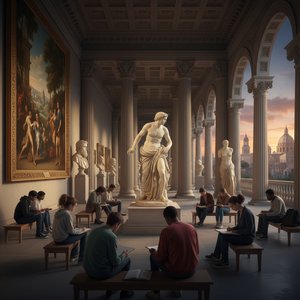
The Enduring Legacy of Classicism: Principles, Evolution & Influence in Western Art
Explore the enduring legacy of Classicism in Western art! Discover its historical context, key principles, iconic masterpieces & lasting influence. Learn about Renaissance and Neoclassical movements with OriginalUniqueArt.

Simon Vouet: A Baroque Master's Journey from Italian Influence to French Classicism
Explore the life & art of Simon Vouet, a pivotal French Baroque painter who introduced Italian styles to France. Discover his masterpieces and lasting influence on 17th-century art.
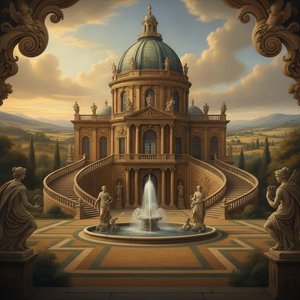
Baroque Classicism: Reconciling Drama & Order in 17th-Century Art
Explore the captivating world of Baroque Classicism! Discover its history, key artists like Caravaggio & Rubens, and defining characteristics. Expert insights & high-quality reproductions at OriginalUniqueArt.

Baroque Classicism: The Grandeur of Order and Drama in 17th-Century Art History
Explore the profound elegance of Baroque Classicism. Discover how 17th-century masters synthesized dramatic emotion with classical order through the lens of the Counter-Reformation and the works of legends like Carlo Maratta and Andrea Sacchi.

Giovanni Paolo Panini: Capturing Roman Grandeur – A Vedute Master's Legacy
Explore the captivating world of Giovanni Paolo Panini, master of Roman vedute painting. Discover his technique, iconic works, influence on art history & collecting advice from experts at OriginalUniqueArt.