텍스트 크기

() ·

당신만을 위해 손으로 직접 그린 그림

St. Sebastian

핸드메이드 유화 복제화

작가가 직접 캔버스에 손으로 그린 유화 작품으로, 원하는 크기와 액자로 맞춤 제작해 드립니다. ( 프린트 판매로 전환 디지털 이미지로 전환)

수집품 상세 설명

Experience the beauty of Giovanni Bellini's 'St. Sebastian.' This Renaissance masterpiece showcases Venetian artistry with its vibrant colors, detailed landscape, and poignant depiction of faith and sacrifice.

작가 프로필

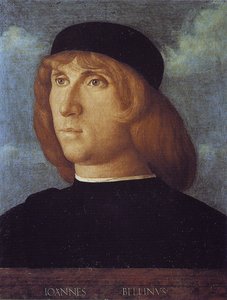
Giovanni Bellini는 베네치아 레오나르도 다 빈치의 라베네 여인들 약탈과 같은 작품으로 유명하며 베네치아 레오나르도 다 빈치의 라베네 여인들 약탈은 고전적인 역사적 사건을 생생하게 담아낸 레오나르도 다 빈치 작품으로, 로마 국립미술관에 소장되어 있으며 뛰어난 색감과 구성 기술이 돋보입니다.

~부터 ·

제1장

어느 정도 크기가 적당할까요?

슬라이드를 움직여 크기를 변경해 보세요. 왼쪽의 이미지는 프레임의 실제 너비를 보여줍니다. 원작의 비율은 그대로 유지됩니다.

표준 규격
맞춤형
CM
INCH

작품의 원본 비율을 그대로 유지하는 프리셋 사이즈 중에서 선택해 보세요.

가로 너비
세로 길이

액자나 벽면 크기에 맞춰 필요한 가로와 세로 길이를 입력해 주세요. 본 작품은 수작업으로 제작되므로, 요청하신 비율에 따라 작가가 그림의 가장자리를 조금 더 넓게 그리거나 일부를 조정하여 작업할 수 있습니다. 작업 시작 전, 최종 확인을 위해 디지털 목업 이미지를 보내드립니다. 이 페이지에 표시된 이미지는 실제 결과물과 다를 수 있으며, 오직 목업 이미지만이 정확한 결과물을 보여줍니다.

제2장

어떤 방식으로 배송받기를 원하시나요?

캔버스 옆면 스타일 선택

프레임을 선택하세요

Corner sample of the WhiteWrap canvas edge finish, stretched on 원목 bars
화이트 테두리 ₩1
Corner sample of the BlurSideWrap canvas edge finish, stretched on 원목 bars
블러사이드 ₩1
Corner sample of the ExtendedWrap canvas edge finish, stretched on 원목 bars
옆면 확장형 ₩1
Corner sample of the P118B picture frame: 성형 폴리스티렌, 5 cm wide and 3 cm thick
P118B ₩10
Corner sample of the P118H picture frame: 성형 폴리스티렌, 5 cm wide and 3 cm thick
P118H ₩10
Corner sample of the P118W picture frame: 성형 폴리스티렌, 5 cm wide and 3 cm thick
P118W ₩10
Corner sample of the P438Z picture frame: 성형 폴리스티렌, 5.5 cm wide and 3.5 cm thick
P438Z ₩10
Corner sample of the P508JH picture frame: 성형 폴리스티렌, 7 cm wide and 3.5 cm thick
P508JH ₩12
Corner sample of the P508YH picture frame: 성형 폴리스티렌, 7 cm wide and 3.5 cm thick
P508YH ₩12
Corner sample of the P805H picture frame: 성형 폴리스티렌, 5 cm wide and 3.5 cm thick
P805H ₩10
Corner sample of the P805Z picture frame: 성형 폴리스티렌, 5 cm wide and 3.5 cm thick
P805Z ₩10
Corner sample of the P919BZ picture frame: 성형 폴리스티렌, 7 cm wide and 3.5 cm thick
P919BZ ₩10
Corner sample of the P919G picture frame: 성형 폴리스티렌, 7 cm wide and 3.5 cm thick
P919G ₩10
Corner sample of the P919XJ picture frame: 성형 폴리스티렌, 7 cm wide and 3.5 cm thick
P919XJ ₩10
Corner sample of the P959ZH picture frame: 성형 폴리스티렌, 5 cm wide and 3 cm thick
P959ZH ₩10
Corner sample of the P968JZ picture frame: 성형 폴리스티렌, 6 cm wide and 4 cm thick
P968JZ ₩12
Corner sample of the W106C picture frame: 원목, 5 cm wide and 3 cm thick
W106C ₩8
Corner sample of the W218G picture frame: 원목, 5 cm wide and 3 cm thick
W218G ₩10
Corner sample of the W218JH picture frame: 원목, 5 cm wide and 3 cm thick
W218JH ₩8
Corner sample of the W218Y picture frame: 원목, 5 cm wide and 3 cm thick
W218Y ₩10
Corner sample of the W307PJ picture frame: 원목, 6 cm wide and 3 cm thick
W307PJ ₩10
Corner sample of the W316G picture frame: 원목, 6 cm wide and 3 cm thick
W316G ₩10
Corner sample of the W316PJ picture frame: 원목, 6 cm wide and 3 cm thick
W316PJ ₩8
Corner sample of the W316Y picture frame: 원목, 6 cm wide and 3 cm thick
W316Y ₩10
Corner sample of the W398PJ picture frame: 원목, 5 cm wide and 3 cm thick
W398PJ ₩8
Corner sample of the W4111J picture frame: 원목, 6.5 cm wide and 3.5 cm thick
W4111J ₩10
Corner sample of the W500HY picture frame: 원목, 7 cm wide and 5 cm thick
W500HY ₩15
Corner sample of the W500JH picture frame: 원목, 7 cm wide and 5 cm thick
W500JH ₩15
Corner sample of the W692G picture frame: 원목, 8 cm wide and 4 cm thick
W692G ₩12
Corner sample of the W849H picture frame: 원목, 5 cm wide and 3 cm thick
W849H ₩8
Corner sample of the W940BG picture frame: 원목, 7.5 cm wide and 4.5 cm thick
W940BG ₩15
Corner sample of the W953PJ picture frame: 원목, 6 cm wide and 3.5 cm thick
W953PJ ₩8
Corner sample of the H24-GOLD picture frame: 젯소 처리를 한 조각 목재, 10 cm wide and 6 cm thick
H24-GOLD ₩30
Corner sample of the H24-SILVER picture frame: 젯소 처리를 한 조각 목재, 10 cm wide and 6 cm thick
H24-SILVER ₩30
Corner sample of the H36-GOLD picture frame: 젯소 처리를 한 조각 목재, 15 cm wide and 6.5 cm thick
H36-GOLD ₩45
Corner sample of the H36-SILVER picture frame: 젯소 처리를 한 조각 목재, 15 cm wide and 6.5 cm thick
H36-SILVER ₩45

몰딩: . 액자 포함 전체 크기: .

제3장

누가 그리며, 변경해야 할 사항이 있나요?

변경 가능한 예시: 얼굴을 고객의 사진으로 교체, 반려동물 추가 (예: 고양이를 강아지로 변경), 배경에 숨겨진 메시지 포함, 배경 풍경 또는 요소 변경.
주문 완료 후, OriginalUniqueArt.com 팀에서 상세 안내를 위해 고객님께 이메일을 보내드리며, 시안 미리보기를 제공해 드립니다.

전 세계 배송()은 표준 5주 대신 3~4주 내에 완료됩니다. (7 11월). 품질에는 어떠한 타협도 하지 않습니다.

제4장

마지막 마무리 작업

박물관에 있는 것과 같은 명판을 원하시나요?

동판 각인 상세 정보

This elegant plaque features the artist's name and the title of the artwork, finely engraved for a timeless presentation.

It is made from bronze with a refined, elegant finish. The text is precisely laser-engraved for a sharp and permanent result. Measuring 9x2 cm, the plaque is compact yet easy to read. It's built to be durable and scratch-resistant, offering a professional, museum-quality look. Mounting is simple thanks to the included adhesive backing.

투명 아크릴 명판 상세 정보

The plaque includes essential engraved details such as the artist's name, the title of the artwork, the date it was created, the type of media used-like oil on canvas or watercolor-a brief description of the piece, and a QR code that links to the complete artwork information.

It is crafted from clear acrylic, offering a sleek, modern appearance. The text is UV-engraved in black to ensure strong visual contrast. With a size of 10x15 cm, it ensures optimal readability. It comes equipped with two metal hooks for secure wall mounting. The plaque is designed to be weather-resistant, making it suitable for various environments, and it includes interactive features that work seamlessly with smartphone scanning.

블랙 아크릴 명판 상세 정보

This elegant plaque includes engraved information such as the artist's name, the title of the artwork, the date it was created, the type of media used (like oil on canvas or watercolor), a short description of the artwork, and a QR code for quick access to more information.

The plaque itself is made from refined black acrylic with a premium finish. The text is laser-engraved in white for high contrast and readability. Its size is 10x15 cm, designed to be easy to read. It comes with two metal hooks for professional mounting. The design is sleek and fits any interior style. It is also weather-resistant and durable, with built-in digital integration for mobile compatibility.

보호용 바니시를 선택하시겠습니까?

언제 받기를 원하시나요?

제5장

주문하신 그대로의 작품

St. Sebastian

재현 기법

복제본 크기

-

엄선된 시니어 아티스트

더욱 세밀한 묘사와 정교함, 그리고 충분한 제작 시간

-

복제화 액자 구성

-

-

가로 또는 세로 중 어느 한 면이라도 105cm(약 41인치)를 초과하는 작품이나 복제화의 경우, 프레임은 분해된 키트 형태로 배송됩니다. 이는 안전한 배송을 보장하고 운송 중 발생할 수 있는 손상을 방지하기 위함입니다.

전문가 조립 권장 - 본 제품은 DIY용이 아닙니다.
해당 키트는 숙련된 전문 프레임 제작자가 목공용 풀(별도 구매), 캔버스 스트레칭 플라이어 및 풀이 마르는 동안 나무 틀의 수평을 유지할 클램프를 사용하여 캔버스를 팽팽하게 고정하고 조립해야 합니다. 잘못된 조립이나 불균형한 캔버스 장력은 작품에 영구적인 손상을 입힐 수 있으며, 이로 인한 손상은 보증 범위에 포함되지 않습니다.

  • 모든 원목 부재가 포함되어 있으며, 조립에 딱 맞게 정밀하게 재단되었습니다.

  • 제공된 나사와 함께, 별도로 준비해야 하는 모서리 접합부용 목공용 풀을 사용하여 조립합니다. (목공용 풀은 포함되어 있지 않으므로 제작자께서 직접 준비해 주셔야 합니다.)

  • 전문가용 도구가 필요하며 키트에 포함되어 있지 않습니다: 캔버스 스트레칭 플라이어(텐셔너)와 접착제가 마르는 동안 나무 틀의 수평을 유지하기 위한 클램프가 필요합니다.

주의사항:
모서리 접합부에는 목공용 풀이 필요하며, 풀이 완전히 마를 때까지 클램프로 바(bar)를 고정해야 합니다. 또한 조립된 프레임에 캔버스를 팽팽하게 당기려면 캔버스 스트레칭 플라이어가 필요합니다. 이 제품들 중 어느 것도 키트에 포함되어 있지 않습니다. 이 사이즈를 주문하시기 전에 숙련된 전문 액자 제작업체를 미리 섭외하시기 바랍니다.

작품 설명문

-

-

보호용 바니시

유광 바니시(색감을 선명하게 하며 빛과 습기로부터 보호함)

-

내 작품 맞춤 설정

변경 가능한 예시: 얼굴을 고객의 사진으로 교체, 반려동물 추가(예: 고양이를 강아지로 변경), 배경에 숨겨진 메시지 삽입, 배경 풍경 또는 요소 변경.

-

빠른 배송

전 세계 배송()은 기존 5주의 표준 기간 대신 3~4주 내에 완료됩니다. (7 11월). 품질에는 어떠한 타협도 하지 않습니다.

-

특급 배송

전 세계 배송(): 약 5주 소요 (14 11월).

포함됨

최종 결제 금액

₩ 402702

총 결제 금액 ₩ 402702

유리 옵션은 110cm 미만 크기에서만 선택 가능합니다.

모든 주문에 포함되는 혜택

  • 전 세계 무료 특급 배송
  • 프리미엄 린넨 캔버스
  • 배송 전 과정 보험 적용
  • 관세 및 수입세 환급 보장 서비스
  • 원본과 동일한 색상 구현 보장
  • 100일 이내 반품 정책 (결함 발생 시)
  • 100% 환불 보장
  • 다량 구매 할인 혜택

St. Sebastian by Giovanni Bellini: A Renaissance Masterpiece

  • Artist: Giovanni Bellini
  • Birth Year: 1433
  • Death Year: 1516
  • Origin: Venice, Italy

A Vision of Faith and Suffering

This compelling artwork depicts St. Sebastian, a revered Christian martyr known for his unwavering faith despite enduring immense suffering. The painting showcases the saint standing within an elegant arched niche, set against a detailed landscape backdrop that recedes into the distance. The composition is vertically oriented and symmetrical, drawing the viewer's eye directly to the central figure of St. Sebastian. This piece exemplifies the Early Renaissance style, deeply influenced by Venetian artistic traditions known for their rich colors and atmospheric landscapes.

Style, Technique, and Materials

Bellini’s masterful technique is evident in the painting’s meticulous detail and harmonious color palette. The work utilizes oil paints on a wood panel, with subtle glazes likely employed to achieve luminous effects and smooth transitions between hues. The artist skillfully blends geometric forms – seen in the architecture of the niche and buildings within the landscape – with organic shapes representing the human figure and natural elements like trees and clouds. Strong vertical lines define St. Sebastian’s form and the architectural setting, while diagonal lines created by the arrows piercing his flesh add a dynamic element to the composition. The inclusion of gold leaf adorning the archway provides a luxurious contrast against the more subdued earthy tones dominating the figure and background.

Symbolism and Emotional Resonance

Beyond its aesthetic beauty, this painting is rich in symbolic meaning. The arrows piercing St. Sebastian’s body are potent symbols of his martyrdom and willingness to sacrifice for his beliefs. His idealized physique suggests strength and resilience, conveying a sense of unwavering faith even amidst pain. The arched niche itself can be interpreted as a representation of heaven or divine protection, offering a spiritual context to the scene. The diffused lighting and calm atmosphere contribute to an overall feeling of serenity and contemplation, inviting viewers to reflect on themes of suffering, faith, and redemption.

Historical Context and Legacy

Giovanni Bellini was a pivotal figure in Venetian Renaissance art, known for his innovative use of color and atmospheric perspective. This work reflects the artistic trends of the time, blending classical ideals of beauty with a more naturalistic approach to depicting human figures and landscapes. The *San Sebastiano Triptych*, along with others commissioned for Santa Maria della Carità, represents an important chapter in Venetian art history, showcasing Bellini’s evolving style and his contribution to the development of Renaissance painting. The work's enduring appeal lies in its ability to evoke both profound emotion and a sense of timeless beauty.

질의응답

조반니 베리니의 "St. Sebastian"은(는) 퍼블릭 도메인인가요?

조반니 베리니의 "St. Sebastian"은(는) 퍼블릭 도메인 - 저작권 보호 기간이 만료되었습니다 상태입니다. 이 상태에 따라 해당 작품 이미지의 복제 가능 여부가 결정됩니다.

"St. Sebastian"은(는) 조반니 베리니의 작품 세계에서 어떤 위치를 차지하고 있나요?

"St. Sebastian"은(는) 조반니 베리니의 Early Renaissance 시기 작품으로, 작가의 주요 주제로는 venetian art traditions, classical beauty, early example of mature style, demonstrates mastery of color and composition., suffering, faith, sacrifice, christian martyrdom 등이 있습니다.

조반니 베리니의 "St. Sebastian"의 디지털 이미지는 어디에서 구매할 수 있나요?

조반니 베리니의 "St. Sebastian"의 디지털 이미지는 다음의 디지털 이미지 파일 페이지에서 구매하실 수 있습니다: 고해상도 디지털 이미지 다운로드.

이 작품에 대해 더 알아보기

미리보기 AR로 미리보기 프린트 판매로 전환 디지털 이미지로 전환 공유하기
상세 정보 가이드 보기 즐겨찾기에 추가 다운로드 유사 작품 더 보기 X-레이 슬라이드 쇼 보기 질의응답 통계 정보


수치로 보는

  • 29선택 가능한 프레임
  • 고유의 비율을 유지한 표준 사이즈
  • 5작품 제작 및 배송까지 수주 소요
조반니 베리니

조반니 베리니

1433 - 1516, 이탈리아

조반니 베리니에 관한 주요 정보

  • Artistic Movement Or Style: 베네치아 학교 레오나르도 다 빈치 스타일
  • Artists Or Movements Influenced By This Artist: ['베네치아 학교 레오나르도 다 빈치 스타일']
  • Artists Who Influenced This Artist:
    • 자코포 벨리니
    • 제네티 벨리니
    • 안드레아 만테냐
  • Date Of Birth: c. 1430
  • Date Of Death: 1516
  • Full Name: Giovanni Bellini
  • Nationality: 이탈리아
  • Notable Artworks: ['성 요셉과 성 베드로의 정결한 사마리아']
  • Place Of Birth: Venice, Italy

작가 정보

Giovanni Bellini: Father of the Venetian Renaissance, painter of translucid light

Giovanni Bellini, a name synonymous with the blossoming Renaissance in Venice, stands as a pivotal figure bridging the gap between the traditions of Byzantine art and the innovative spirit that would define the 16.세기. Born around 1430 – though some sources suggest 1433 – into a family deeply entrenched in the artistic world, Bellini’s journey was one of continuous evolution, marked by a profound sensitivity to color, light, and the burgeoning humanism of his era. The precise nature of his familial relationships has been debated; for years Jacopo Bellini was considered his father, but modern scholarship increasingly points towards Jacopo being Giovanni's elder half-brother, with Gentile Bellini as his nephew rather than sibling. Regardless of these intricacies, young Giovanni grew up immersed in a workshop brimming with creativity and technical expertise, absorbing the foundations of painting from an early age. His initial training likely involved the traditional tempera techniques favored at the time, but it was his innate talent for observation and emotional expression that would set him apart.

Early Influences and Artistic Development

The artistic landscape of 15세기세기 Venice was a unique blend of influences. The city’s position as a major trading hub exposed its artists to diverse styles and ideas, while the Byzantine heritage continued to exert a strong pull. Bellini's early works reflect this duality. Initially, his style bore the mark of his father and brother, Gentile, with compositions often characterized by meticulous detail and a somewhat restrained emotional palette. However, even in these early pieces, hints of his future brilliance began to emerge – a delicate handling of light, a growing interest in naturalistic settings, and an ability to imbue religious figures with a palpable sense of human pathos. The influence of Andrea Mantegna, his brother-in-law, is also readily apparent during this period, particularly in the clarity of line and sculptural forms. Bellini’s early commissions often involved collaborative projects, such as his contributions to the Scuola di San Marco alongside Gentile and other prominent Venetian artists. These large-scale works provided invaluable experience and allowed him to hone his skills while working alongside some of the most talented painters of the day.

Revolutionizing Venetian Painting: Color, Light, and Oil

Bellini’s true revolution lay in his embrace of oil paint. While not the inventor of the technique, he was among the first Venetian artists to fully exploit its potential. Unlike tempera, which dried quickly and demanded a precise, linear approach, oil paint allowed for greater blending, richer colors, and subtle gradations of tone. This newfound freedom enabled Bellini to create paintings with an unprecedented depth and luminosity. His use of color became increasingly sophisticated, moving away from the bright, often harsh hues of earlier Venetian painting towards a more nuanced and harmonious palette. He masterfully captured the effects of light and atmosphere, imbuing his landscapes with a sense of serenity and realism that was groundbreaking for its time. This mastery of oil paint not only transformed his own work but also laid the foundation for the distinctive style that would come to define the Venetian school – a style celebrated for its sensuousness, coloristic richness, and atmospheric perspective. He achieved this remarkable feat by meticulously studying the interplay between light and shadow, creating illusions of depth and volume that captivated viewers.

Mature Works and Lasting Influence

As Bellini matured, his artistic vision continued to evolve. His altarpieces, such as those created for the churches of San Zaccaria and Santa Corona, demonstrate his ability to create complex compositions filled with symbolic meaning and emotional resonance. The *Transfiguration*, now housed in the Capodimonte Museum in Naples, exemplifies his mature style – a serene spirit combined with ripened artistic powers. He also served as conservator of the paintings in Doge’s Palace, further solidifying his reputation as Venice's leading artist. His influence extended far beyond his own lifetime. He became a mentor to a generation of younger painters, including Giorgione and Titian, who would carry on his legacy and push the boundaries of Venetian art even further. These pupils absorbed Bellini’s techniques and aesthetic principles, adapting them to their own individual styles and contributing to the golden age of Venetian painting. Bellini's impact can be seen in the works of countless artists who followed, solidifying his place as a true master of the Renaissance. He died in Venice in 1516, leaving behind a body of work that continues to inspire awe and admiration centuries later.

A Legacy Enduring Through Time

Giovanni Bellini’s significance extends beyond his technical innovations and artistic achievements. He captured the spirit of a changing world – a world grappling with new ideas about humanity, spirituality, and the relationship between art and nature. His paintings are not merely representations of religious scenes; they are profound meditations on faith, beauty, and the human condition. His ability to imbue his figures with dignity and grace, combined with his masterful use of color and light, created a visual language that resonated deeply with his contemporaries and continues to captivate audiences today. Bellini’s legacy is not simply one of artistic brilliance; it is a testament to the power of art to transcend time and connect us to the enduring values of human experience. From the serene beauty of his Madonnas to the dramatic intensity of his religious scenes, Bellini's work remains a cornerstone of Western art history.

작품 정보 요약

  • Subject or theme: Christian martyrdom, faith
  • Medium: Oil paint on panel
  • Movement: Early Renaissance
  • Title: St. Sebastian

예술 상식 퀴즈

각 질문의 정답은 하나뿐입니다.

질문 1:
What is the primary subject depicted in this artwork?
질문 2:
Which artistic style significantly influences this painting, as suggested by its composition and techniques?
질문 3:
What is the symbolic meaning most directly associated with the arrows piercing St. Sebastian's body?
질문 4:
The landscape in the background utilizes which perspective technique to create a sense of depth?
질문 5:
What materials were primarily used in the creation of this artwork?
테마, 스타일, 특징별로 분류된 작품들을 만나보세요.