

 미리보기
미리보기
 공유하기
공유하기 공유하기
공유하기
 상세 정보
상세 정보

 다운로드
다운로드
 유사 작품
유사 작품 X-레이
X-레이 슬라이드 쇼
 통계 정보
통계 정보Beggar Boy
 Oil On Canvas
- WallArt
- Baroque Rococo
 1725
1725- Early Modern
 67.0 x 55.0 cm
 아트인스티튜트 오브 시카고
 더 보기
더 보기
지클레 / 아트 프린트
빠른 제작과 다양한 마감 옵션을 제공하는 박물관 품질의 지클레이 또는 캔버스 프린트. ( 손으로 그린 그림 구매 디지털 이미지로 전환)




P118B $10

P118H $10

P118W $10

P438Z $10

P508JH $12

P508YH $12

P805H $10

P805Z $10

P919BZ $10

P919G $10

P919XJ $10

P959ZH $10

P968JZ $12

W106C $8

W218G $10

W218JH $8

W218Y $10

W307PJ $10

W316G $10

W316PJ $8

W316Y $10

W398PJ $8

W4111J $10

W500HY $15

W500JH $15

W692G $12

W849H $8

W940BG $15

W953PJ $8




작품의 원본 비율을 유지하는 미리 설정된 크기 중에서 선택하세요.

특정 프레임이나 공간에 맞춰 직접 치수를 입력하실 수 있습니다. 선택하신 사이즈가 원본 이미지의 비율과 일치하지 않을 경우, 작품을 크롭(자르기)하거나 이미지를 대칭 또는 단색 채우기로 확장하여 제작합니다. 제작 시작 전, 최종 확인을 위해 디지털 목업이 전송됩니다.
화면상의 미리보기는 실제 크롭이나 확장 상태를 반영하지 않으므로, 최종 구도는 오직 목업을 통해서만 정확하게 확인하실 수 있습니다.
맞춤 사이즈 제작도 가능하지만, 원본 비율을 유지하기 위해서는 사전 정의된 목록에서 치수를 선택하시는 것을 권장합니다.


 유리 옵션은 110cm 미만 크기에서만 선택 가능합니다.

Beggar Boy
지클레 / 아트 프린트
복제본 크기
-


최종 결제 금액
$ 80
A Poignant Encounter with the Everyday
In the quiet, shadowed depths of Giovanni Battista Piazzetta’s Beggar Boy, we encounter more than just a portrait; we meet a soul captured in a moment of profound, unadorned existence. Painted around 1725, this masterpiece serves as a window into the Venetian Rococo period, yet it eschews the typical frivolity often associated with the era. Instead, Piazzetta directs our gaze toward a young figure whose presence is both startlingly direct and deeply moving. The boy, with his sturdy neck and youthful, rounded features, looks out from the canvas with an expression that defies simple pity. There is no performative sorrow here, no desperate plea for the viewer's sympathy; rather, there is a striking candour, a raw honesty that commands respect and invites a deeper contemplation of the human condition.
The composition is masterfully anchored by a dramatic use of chiaroscuro, a technique Piazzetta perfected through his study of masters like Guercino. The background is swallowed by a dark, earthy gloom, which serves to push the subject forward into the light. This intentional contrast ensures that every detail—the texture of the boy's skin, the weight of his gaze, and the vibrant splash of color in his attire—becomes an essential part of the narrative. For the collector or interior designer, this painting offers a powerful focal point, possessing a gravitational pull that can transform the atmosphere of any room with its somber yet luminous energy.
The Alchemy of Light and Earth
Technically, Beggar Boy is a triumph of color theory and textural realism. Piazzetta utilizes a palette that feels rooted in the very soil of the earth. The browns of the boy's coat and the surrounding shadows are reminiscent of the naked ground, suggesting a life lived in close connection to the elemental aspects of existence. Yet, amidst this muted landscape, the artist introduces a sudden, vigorous burst of crimson through the boy's waistcoat. This red is not merely decorative; it provides a rhythmic pulse to the painting, a sign of vitality and strength that prevents the work from descending into mere melancholy.
The light in the piece acts as a sculptor’s tool, much like the wood-carving techniques Piazzetta learned from his father. It catches the crisp white of a sleeve and illuminates the boy's complexion with a warmth that suggests a fleeting moment of sunshine. This interplay between the heavy shadows and the delicate highlights creates an illusionistic depth that is breathtaking to behold. To possess a reproduction of such a work is to bring into one's home a study in balance—the balance between light and dark, between the weight of poverty and the lightness of youth, and between the physical reality of a subject and the spiritual resonance of the artist's vision.
Symbolism and the Spirit of Venice
Beyond its aesthetic brilliance, the painting is rich with subtle symbolic layers. The presence of a rosary in the boy's hand or a simple stick in his grasp speaks to the intersection of the mundane and the divine. In Piazzetta’s hands, these objects are not mere props of a genre scene; they are emblems of a daily life where faith and survival are inextricably linked. This reflects the broader Venetian tradition of finding the sacred within the secular, a theme that resonates deeply with those who appreciate art that possesses both intellectual depth and emotional accessibility.
As a pivotal figure in Venetian art history, Piazzetta bridged the gap between the dramatic realism of the Baroque and the elegant ornamentation of the Rococo. Beggar Boy stands as a testament to this transition, offering a sense of psychological complexity that remains as relevant today as it was in the 18th century. For those seeking to curate a collection of high-quality reproductions, this work offers an unparalleled opportunity to celebrate a moment of timeless human dignity, making it an exquisite addition to any sophisticated interior design scheme.
작가 약력
베네치아에서의 초기 생애와 예술적 형성
1682년 혹은 1683년 2월 13일, 기록상 다소 모호한 시기에 베네치아에서 태어난 조반니 바티스타 피아제타는 예술적 전통이 깊게 뿌리 내린 동시에 미묘한 취향의 변화가 일어나던 도시에서 성장했습니다. 조각가였던 아버지 자코모 피아제타의 가업을 이어받은 어린 조반니는 가족의 작업실에서 목조각을 통해 형태와 장인 정신에 대한 초기 안목을 키웠습니다. 그러나 그의 예술적 행보는 곧 회화로 향했고, 1697년 안토니오 몰리나리 밑에서 본격적인 공부를 시작했습니다. 이 시기는 기술적 기초를 다지는 중요한 토대가 되었지만, 피아제트로의 삶을 진정으로 변화시킨 것은 1703년에서 1705년 사이 볼로냐에서의 여정이었습니다. 그곳에서 그는 일상적인 장면을 놀라운 사실주의와 심리적 깊이로 그려내는 거장 주세페 마리아 크레스피의 가르침을 흡수했습니다. 이러한 경험은 피아제타만의 독창적인 화풍을 결정짓는 핵심 요소가 되었습니다. 볼로냐에서 얻은 영향은 평범한 사람들의 인간미를 포착하려는 열망을 심어주었으며, 이는 웅장한 역사나 신화적 서사를 선호했던 당시 베네치아 동시대 화가들과 그를 차별화하는 결정적인 감수성이 되었습니다.로코코의 독창적인 목소리: 양식과 영향
피아제타의 예술적 목소리는 흔히 로코코 운동의 범주에 포함되지만, 그는 그 안에서도 매우 독보적인 위치를 차지합니다. 그는 로코코 시대 특유의 우아함과 장식적인 화려함을 수용하면서도, 단순한 장식적 화가들과는 차별화되는 정서적 울림의 깊이와 키아로스쿠로(명암법)의 강렬함을 작품에 담아냈습니다. 특히 짙은 붉은색, 황토색, 갈색 등 따뜻하고 풍부한 색채를 사용하여 친밀함과 신비로움이 공존하는 분위기를 조성한 것으로 찬사를 받았습니다. 그의 회화는 단순히 시각적인 즐거움을 주는 데 그치지 않고 관람객을 깊은 명상으로 인도합니다. 종교적 주제에 손에 잡힐 듯한 인간적 드라마를 불어넣는 예술가의 능력은 특히 주목할 만했습니다. 그는 농민들을 자주 묘록하며, 구도 안에서 그들에게 존엄성과 영적인 중요성을 부여했습니다. 이는 단순한 사실주의의 문제가 아니라, 평범한 사람들의 삶에 대한 진정한 공감을 반영한 것이었습니다. 현재 베네치아 아카데미아 미술관에 소장된 “점술가”는 이러한 특징을 완벽하게 보여줍니다. 이 작품의 힘은 정교한 세부 묘사가 아니라 인물들의 미묘한 몸짓과 표정에 있으며, 이는 보이지 않는 불안과 깊은 내면의 혼란을 암시합니다. 당대 베네치아 미술의 주역이었던 티에폴로와 같은 화가들의 광휘와 찬란함을 인정하면서도, 피아제타는 티에폴로가 대체로 피했던 더 어둡고 성찰적인 주제를 탐구하며 자신만의 길을 개척했습니다.주요 작품과 예술적 스펙트럼
피아제타의 작품 세계는 “성 프란치스코의 황홀경”, “성 안토니오”, “성 가에타노”, “수호천사”와 같은 종교화에 이르기까지 놀라울 정도로 다양합니다. 이러한 작품들은 구도의 숙련도와 표현력 있는 인물, 극적인 조명을 통해 영적인 열정을 전달하는 그의 능력을 증명합니다. 그러나 그를 단순히 종교적 주제에만 국한시키는 것은 그의 예술적 가치를 과소평가하는 것입니다. 그의 영역은 예리한 관찰력과 인간 심리에 대한 깊은 이해를 바탕으로 일상을 묘사하는 풍속화로 크게 확장되었습니다. 이처럼 폭넓은 주제를 탐구하려는 의지는 동시대 많은 화가와 그를 구분 짓는 특징이었습니다. 그는 겉보기에 평범한 배경 속에서도 인간 존재의 복잡성을 그려내는 데 주저함이 없었습니다. 그의 구도는 종종 세심하게 배치된 인물 군상을 통해 역동적인 서사를 만들어내며 관람객을 장면 속으로 끌어들입니다. 직물의 질감이나 얼굴에 드리워진 빛의 움직임과 같은 세밀한 묘사는 그의 작품에 사실성과 생생함을 더해줍니다.말년의 삶, 교육, 그리고 영원한 유산
1750년, 피아제타는 새로 설립된 베네치아 미술 아카데미아(Accademia di Belle Arti di Venezia)의 초대 관장으로 임명되며 커리어의 정점에 도달했습니다. 이 임명은 베네치아 미술계 내에서의 그의 위상을 확고히 했으며, 차세대 예술가들을 양성할 수 있는 발판이 되었습니다. 그는 말년을 교육에 헌신하며 자신의 지식과 예술적 원칙을 갈망하는 화가들에게 전수했습니다. 1727년에는 권위 있는 볼로냐의 아카데미아 클레멘티나의 회원으로 선출되어 이탈리아 미술의 선도적인 인물로서 명성을 더욱 공고히 했습니다. 베네치아 회화에 미친 피아제타의 영향은 그의 직접적인 제자들을 넘어 확장되었습니다. 정서적 깊이와 심리적 사실주의에 대한 그의 강조는 순수하게 장식적인 양식을 넘어선 후대 예술가들에게 길을 열어주었습니다. 생전에는 동시대의 다른 화가들만큼 널리 알려지지 않았을지 모르지만, 최근 학자들은 로코코 운동에 기여한 그의 독창성과 인간 조건의 복잡성을 포착해낸 불멸의 능력을 재조명하며 그의 작품에 다시금 주목하고 있습니다. 그의 회화는 특유의 따스함과 드라마, 그리고 깊은 신비로움으로 오늘날에도 관람객의 마음을 사로잡고 있습니다.
조반니 바티스타 피아제타
1715 - 1754 , 이탈리아
주요 정보
- Artistic Movement Or Style: 로코코
- Artists Who Influenced This Artist:
- G.M. 크레스피
- 안토니오 몰리나리
- Date Of Birth: 1682년 또는 1683년
- Date Of Death: 1754년
- Full Name: 조반니 바티스타 피아제타
- Nationality: 이탈리아
- Notable Artworks:
- 성 프란치스코의 황홀경
- 파도바의 성 안토니오
- 성 가에타노
- 수호천사
- 점술가
- Place Of Birth: 이탈리아 베네치아
관련 기사 더 보기

10 Iconic Rococo Masterpieces That Defined an Era of Elegance
Step into the elegance of the 18th century. Explore 10 iconic Rococo masterpieces, from Fragonard to Watteau, through their stories and pastel beauty. Find museum-quality art reproductions and decor inspiration at OriginalUniqueArt.com. Discover all masterpieces on OriginalUniqueArt.com

10 Iconic Rococo Masterpieces That Defined an Era of Elegance
Step into the era of elegance with our guide to 10 Rococo masterpieces. From Fragonard's romance to Watteau's grace, explore the pastel beauty and ornate detail of this iconic movement. Find museum-quality art reproductions on OriginalUniqueArt.com. Discover all masterpieces online.

10 Iconic Masterpieces That Capture the Soul of Italy
Journey through Italy's soul with 10 iconic masterpieces. From Renaissance legends to romantic landscapes, explore the stories behind these timeless works. Find museum-quality art reproductions and curated decor inspiration at OriginalUniqueArt.com. Discover all masterpieces online.
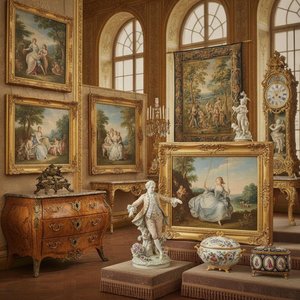
10 Iconic Rococo Masterpieces That Defined an Era of Elegance
Step into the elegance of the 18th century. Explore 10 iconic Rococo masterpieces by Fragonard and Boucher, featuring pastel hues and ornate beauty. Find museum-quality art reproductions and decor inspiration at OriginalUniqueArt.com. Discover all masterpieces on OriginalUniqueArt.com.

휘황한 로코코 시대의 예술적 황금률: 10가지 걸작 탐구
화려함과 우아함의 절정, 로코코 미술! 부셰, 프라고나르 등 거장들의 걸작 10편을 통해 18세기 예술 황금시대를 만나보세요. OriginalUniqueArt.com에서 박물관 수준의 명품 아트 프린트와 인테리어 영감을 얻으세요. 지금 바로 온라인 컬렉션을 탐험해보세요!