

 미리보기
미리보기
 공유하기
공유하기 공유하기
공유하기
 상세 정보
상세 정보 Guide
Guide

 다운로드
다운로드
 유사 작품
유사 작품 X-레이
X-레이 슬라이드 쇼
 통계 정보
통계 정보Camera obscura


 더 보기
더 보기
지클레 / 아트 프린트
빠른 제작과 다양한 마감 옵션을 제공하는 박물관 품질의 지클레이 또는 캔버스 프린트. ( 손으로 그린 그림 구매 디지털 이미지로 전환)




P118B $10

P118H $10

P118W $10

P438Z $10

P508JH $12

P508YH $12

P805H $10

P805Z $10

P919BZ $10

P919G $10

P919XJ $10

P959ZH $10

P968JZ $12

W106C $8

W218G $10

W218JH $8

W218Y $10

W307PJ $10

W316G $10

W316PJ $8

W316Y $10

W398PJ $8

W4111J $10

W500HY $15

W500JH $15

W692G $12

W849H $8

W940BG $15

W953PJ $8




작품의 원본 비율을 유지하는 미리 설정된 크기 중에서 선택하세요.

특정 프레임이나 공간에 맞춰 직접 치수를 입력하실 수 있습니다. 선택하신 사이즈가 원본 이미지의 비율과 일치하지 않을 경우, 작품을 크롭(자르기)하거나 이미지를 대칭 또는 단색 채우기로 확장하여 제작합니다. 제작 시작 전, 최종 확인을 위해 디지털 목업이 전송됩니다.
화면상의 미리보기는 실제 크롭이나 확장 상태를 반영하지 않으므로, 최종 구도는 오직 목업을 통해서만 정확하게 확인하실 수 있습니다.
맞춤 사이즈 제작도 가능하지만, 원본 비율을 유지하기 위해서는 사전 정의된 목록에서 치수를 선택하시는 것을 권장합니다.


 유리 옵션은 110cm 미만 크기에서만 선택 가능합니다.

Camera obscura
지클레 / 아트 프린트
복제본 크기
-


최종 결제 금액
$ 80
A Sculptural Echo of Light and Vision
Canaletto’s “Camera Obscura,” a meticulously crafted wooden device dating back to around 1700, isn't merely a reproduction; it’s a tangible embodiment of the revolutionary vision that shaped his artistic practice. This intimate sculpture, presented against a stark black backdrop, immediately draws the eye, inviting us into a world where light and shadow dance in harmonious collaboration. The piece speaks volumes about Canaletto’s innovative approach to capturing reality – an approach deeply rooted in observation and a fascination with the mechanics of vision itself. The geometric precision of the boxy structure, constructed from carefully joined wooden panels, suggests both the artist's meticulousness and a profound understanding of spatial relationships. It’s not simply a representation of a camera obscura; it *is* the camera obscura, distilled into its essential form.
- Material & Construction: The use of wood – likely stained or varnished to preserve its beauty – speaks to Canaletto's appreciation for tactile quality and enduring craftsmanship. The intricate joinery hints at a deliberate process, reflecting the artist’s careful attention to detail.
- Form & Composition: The vertical orientation emphasizes the height and solidity of the device, creating a sense of direct engagement with the viewer. Lines dominate – sharp, clean lines defining the boxy structure, contrasting with the subtle texture of the wood grain.
- Symbolic Weight: The camera obscura itself represents a pivotal moment in art history—a precursor to photography and a testament to Canaletto’s pioneering spirit. It embodies the pursuit of accurate representation, challenging traditional methods and opening new avenues for artistic expression.
Unlocking the Secrets of Early Photography
Canaletto's fascination with the camera obscura wasn't simply an aesthetic curiosity; it was a deeply practical investigation into how light and shadow create images. The inscription on the device – “A Camera Obscura” – provides a crucial clue, revealing that this object belonged to the Venetian master himself. This discovery dramatically shifts our understanding of Canaletto’s process: he didn't just paint what he saw; he actively *observed* how light transformed his surroundings into visual forms. Research suggests that Canaletto utilized the camera obscura as a tool for sketching, meticulously documenting architectural details and urban landscapes with unprecedented accuracy. The device allowed him to capture perspective and spatial relationships with remarkable precision – a skill that profoundly influenced his later paintings.
Historical Context:The invention of the camera obscura in the 16th century marked a watershed moment in art history. Initially used as a scientific instrument for astronomical observation, it quickly gained popularity among artists seeking to improve their draftsmanship and understand perspective. Canaletto’s embrace of this technology demonstrates his commitment to innovation and his desire to push the boundaries of artistic representation.
A Window into Venice: The Artist's Process
The “Camera Obscura” offers a rare glimpse into Canaletto’s working methods. It’s believed that he used this device not just for sketching, but also as a means of studying light and shadow—analyzing how they interacted with buildings and streets to create the illusion of depth and volume. The resulting drawings were then translated into his celebrated paintings, imbuing them with an extraordinary sense of realism and atmospheric detail. The meticulousness evident in the camera obscura’s construction mirrors the painstaking care Canaletto invested in every brushstroke of his finished works. It's a testament to his dedication to capturing not just appearances, but also the very essence of Venice.
Recreating a Masterpiece: A Reproduction for Today
Reproducing Canaletto’s “Camera Obscura” is more than simply creating a copy; it’s about preserving a vital piece of art history and celebrating the ingenuity of one of Venice's greatest artists. The resulting reproduction captures not only the physical form of the device but also its symbolic significance—a reminder of the enduring power of observation, innovation, and the pursuit of accurate representation. This meticulously crafted replica serves as a tangible link to the 18th century, inviting viewers to contemplate the origins of photography and appreciate Canaletto’s pioneering legacy.
작가 약력
베네치아의 빛을 담은 화가, 카날레토
1697년 10월 18일, 이탈리아 베네치아에서 조반니 안토니오 카날이 태어났습니다. 흔히 ‘카날레토’라는 이름으로 더 잘 알려진 그는 단순한 풍경화가가 아닌, 18세기 베네치아의 화려함과 섬세함을 영원히 기록한 예술가였습니다. 그의 아버지는 극장 무대 장식 미술가 베르나르도 카날이었고, 어머니는 아르테미시아 바르비에리였으며, 어린 시절부터 아버지에게 미술의 기초를 배우며 예술적 재능을 키워갔습니다.
로마에서의 성장과 독자적인 화풍
1718년, 카날레토는 로마로 여행을 떠나 알레산드로 스카를라티의 오페라 무대 장식을 제작하며 예술적 경험을 넓혔습니다. 이 시기는 그의 예술가로서의 성장에 결정적인 영향을 미쳤으며, 이후 베네치아로 돌아온 그는 자신만의 독특한 화풍을 구축하기 시작했습니다. 카날레토는 베네치아의 아름다운 풍경, 특히 대운하를 중심으로 한 도시의 모습을 담은 ‘베두타(Vedute)’ 장르에 뛰어난 재능을 보였습니다. 그의 그림은 단순한 풍경 묘사를 넘어, 빛과 그림자의 미묘한 조화, 건축물의 정교한 표현, 그리고 활기 넘치는 시민들의 삶을 생생하게 포착했습니다.
대표작과 예술적 기법
카날레토의 대표작으로는 돌담 쌓는 마당(The Stonemason's Yard)(약 1725년)이 있습니다. 이 작품은 그의 초기 뛰어난 기량을 보여주는 걸작으로, 섬세한 구도와 빛의 표현이 돋보입니다. 또한, 대운하의 레가타(Regatta on the Grand Canal)는 베네치아 공공 행사의 생동감을 탁월하게 담아낸 작품이며, 이튼 칼리지(Eton College)(1746-1756년)는 영국에 대한 그의 영향력을 보여주는 중요한 그림입니다. 카날레토의 그림은 정밀한 원근법과 세심한 준비 드로잉을 통해 제작되었으며, 일부 전문가들은 지리적 정확성을 높이기 위해 카메라 옵스쿠라를 사용했을 가능성도 제기하고 있습니다. 그러나 그에게 가장 중요했던 것은 구도 디자인이었으며, 그의 작품은 단순한 기록이 아닌 시각적으로 놀라운 예술 작품으로 완성되었습니다.
영향과 유산
카날레토는 조반니 파올로 판니니와 같은 화가들에게 영향을 받았으며, 그의 그림은 틴토레토를 비롯한 많은 후대 예술가들에게 영감을 주었습니다. 특히 그의 외조카 베르나르도 벨로토 역시 뛰어난 화가가 되어 카날레토의 예술적 전통을 이어갔습니다. 카날레토의 작품은 현재 런던 내셔널 갤러리(The National Gallery, London)를 비롯한 세계 각지의 주요 미술관에 소장되어 있으며, 그의 유산은 18세기 미술사에 깊이 새겨져 있습니다. 그는 베네치아 풍경화의 거장으로서, 오늘날에도 많은 사람들에게 사랑받고 영감을 주는 예술가입니다.
더 많은 전기와 작품을 탐험하려면 https://OriginalUniqueArt.com를 방문하십시오.
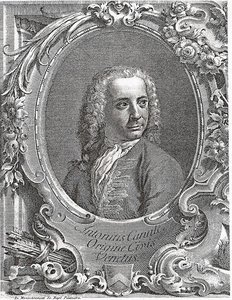
카날레토
1697 - 1768 , 이탈리아
주요 정보
- Artistic Movement Or Style: 베네치아 경관화
- Artists Or Movements Influenced By This Artist: ['틴토레토']
- Artists Who Influenced This Artist: ['조반니 파올로 판니니']
- Date Of Birth: 1697년 10월 18일
- Date Of Death: 1768년 4월 19일
- Full Name: 조반니 안토니오 카날레
- Nationality: 이탈리아
- Notable Artworks:
- 돌공장
- 그랜드 운하 회랑
- 이튼 칼리지
- Place Of Birth (City And Country): 이탈리아 베네치아
관련 기사 더 보기

존 컨스터블 대표작 25선: 영국 풍경화의 거장, 자연과 감성을 담은 명화 컬렉션 | OriginalUniqueArt
존 컨스터블 대표작 25선을 만나보세요. 영국 풍경화 거장의 자연주의 회화, 데담 밸리의 아름다움과 헤이 웨인의 정취를 담은 명화를 감상하세요. OriginalUniqueArt에서 고품질 예술 작품 복제본을 소장하고 특별한 인테리어를 완성해보세요. 지금 바로 컬렉션을 탐험하세요!

Evocations of Place: A Historical Journey Through Landscape Art
Explore the rich history of landscape art with OriginalUniqueArt. Discover renowned artists, movements like Impressionism & Romanticism, and expert guidance for collecting timeless pieces. Find your perfect serene escape today!

Giovanni Antonio Canal (Canaletto): A Venetian Master of Light, Space & Societal Observation
Explore the life & art of Giovanni Antonio Canal (Canaletto), a Venetian master renowned for his breathtaking cityscapes. Discover his techniques, legacy, and captivating depictions of 18th-century Venice & London.

Michelangelo Morlaiter: Venetian Landscapes & the Pursuit of Atmospheric Realism
Explore the captivating landscapes of Michelangelo Morlaiter, a key figure in 18th-century Venetian painting. Discover his mastery of atmospheric perspective and lasting influence on Italian art history. Learn more at OriginalUniqueArt.

낭만 풍경화의 황홀! 예술사에 빛난 10대 걸작 탐구 | 와후아트
낭만주의 시대, 예술혼을 불태운 10대 풍경화 걸작! 터너부터 프리드리히까지, 시대를 초월하는 아름다움을 와후아트에서 만나보세요. 고흐의 색채와 코로의 섬세함이 당신의 공간에 영감을 더합니다. 지금 바로 와후아트에서 명품 미술 작품을 감상하고 구매하세요!


