
 프린트 판매로 전환
 상세 보기
상세 보기







































 가로 또는 세로 중 어느 한 면이라도 105cm(약 41인치)를 초과하는 작품이나 복제화의 경우, 프레임은 분해된 키트 형태로 배송됩니다. 이는 안전한 배송을 보장하고 운송 중 발생할 수 있는 손상을 방지하기 위함입니다.


The Baroncelli Polyptych: A Revolutionary Window into Giotto’s Vision
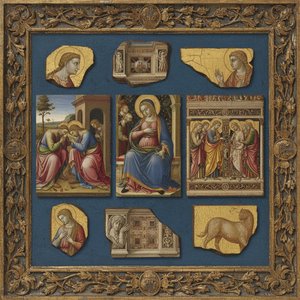
Giotto di Bondone's Políptico Baroncelli, completed around 1334, stands as a pivotal work in the transition from the stylized conventions of medieval art to the burgeoning naturalism and emotional depth that would define the Renaissance. More than just an altarpiece intended for the Baroncelli Chapel in Santa Croce, Florence, it represents a profound shift in artistic philosophy – a move towards depicting humanity with unprecedented realism and psychological insight. This monumental panel painting isn’t merely a religious scene; it's a carefully constructed narrative, brimming with symbolism and reflecting Giotto’s revolutionary approach to storytelling within the visual realm.
The polyptych itself is a complex structure, divided into five distinct panels that once formed a single, unified whole. The central panel depicts the Coronation of the Virgin Mary by Christ and God the Father, an event rich in theological significance. Mary, rendered with a grace and dignity previously unseen in Florentine art, kneels before her divine son, accepting the celestial crown offered by God. The figures are not flattened or stylized; they possess volume, weight, and a palpable sense of movement. Giotto masterfully employs light and shadow to sculpt their forms, creating an illusion of three-dimensionality that was groundbreaking for its time. The surrounding angels, depicted with varying expressions of joy and reverence, contribute to the dynamic composition. The use of gold leaf, particularly in the halos and drapery, adds a layer of opulence and spiritual radiance, characteristic of Byzantine influence but skillfully integrated into Giotto’s evolving style.
A Proto-Renaissance Masterpiece: Naturalism and Narrative
What distinguishes the Baroncelli Polyptych is Giotto's commitment to portraying human figures with a startling degree of naturalism. He abandons the rigid, hieratic poses and distant gazes typical of earlier medieval art, opting instead for gestures that are both expressive and believable. The faces of the saints and angels are rendered with meticulous detail, capturing subtle nuances of emotion – sorrow, joy, contemplation – that invite viewers to connect with their experiences. This focus on human psychology was a radical departure from the predominantly symbolic representation prevalent in the preceding era.
Furthermore, Giotto’s narrative approach is remarkably sophisticated. The scene isn't simply a depiction of a religious event; it’s a carefully orchestrated sequence of gestures and expressions that convey a profound sense of drama and emotion. The positioning of figures, their interactions with one another, and the subtle details within each panel all contribute to a cohesive and compelling story. Scholars believe Giotto drew inspiration from Dante's *Divine Comedy*, specifically Canto XXXII, which describes the coronation of the Virgin in vivid detail. This connection suggests that Giotto aimed to translate the poem’s complex theological and emotional themes into a visual language accessible to his audience.
Technique and Materials: A Symphony of Color and Texture
The Baroncelli Polyptych is executed in tempera paint on wood, a technique that allowed for vibrant colors and fine detail. Giotto’s masterful use of color – rich reds, blues, greens, and golds – creates a dazzling visual effect. The application of the paint is remarkably smooth and luminous, contributing to the painting's overall sense of realism. The wooden panels themselves were meticulously carved and then gilded with gold leaf, adding to the polyptych’s grandeur and spiritual significance. Note the intricate detailing in the frame, likely added later by Domenico Ghirlandaio, which further enhances the artwork’s visual impact.
A Legacy of Innovation: Giotto's Enduring Influence
The Baroncelli Polyptych represents a watershed moment in art history. It marked a decisive break from the conventions of medieval painting and paved the way for the innovations of the Renaissance. Giotto’s emphasis on naturalism, emotional depth, and narrative storytelling profoundly influenced generations of artists who followed him. His work demonstrated that art could not only depict religious subjects but also capture the complexities of human experience – a concept that would become central to the artistic ideals of the Renaissance. Today, this magnificent polyptych continues to inspire awe and admiration for its beauty, skill, and historical significance.
질의응답
조토 디 본도네의 "Políptico Baroncelli 1"의 형식에는 어떤 배치가 어울릴까요?
Tall 형태의 "Políptico Baroncelli 1" 복제 작품은 Living Room에 배치하시기에 좋습니다.
"Políptico Baroncelli 1"은(는) 무엇을 담고 있으며, 어떤 분위기를 자아내나요?
조토 디 본도네의 "Políptico Baroncelli 1"은(는) crowd, building, gold background, figures, gathering, medieval, renaissance와(과) Elegant 분위기가 어우러진 작품입니다.
"Políptico Baroncelli 1"의 색감을 고려했을 때, 어느 공간에 전시하는 것이 가장 좋을까요?
Dark 색조를 담은 조토 디 본도네의 "Políptico Baroncelli 1"는 Living Room에 배치하시길 추천드립니다. 이 작품의 색감이 이러한 제안의 이유이기도 합니다.
More about this painting
 실제 크기로 보기
 보내기
보내기 공유하기
공유하기
 상세 보기
상세 보기 가이드 보기

 이미지 다운로드
 유사 작품 더 보기
 X-레이
X-레이 슬라이드 쇼 보기
 Q&A
Q&A 통계 정보
통계 정보






![스크로베니 - [05] - 요아킴의 꿈](/media/artworks/images-thumb/8f/67/8f67bb5da87296bd452b3f0b237b528d.jpg)


