프린트 판매로 전환
 더 보기
더 보기







































 가로 또는 세로 중 어느 한 면이라도 105cm(약 41인치)를 초과하는 작품이나 복제화의 경우, 프레임은 분해된 키트 형태로 배송됩니다. 이는 안전한 배송을 보장하고 운송 중 발생할 수 있는 손상을 방지하기 위함입니다.


A Window into Renaissance Introspection
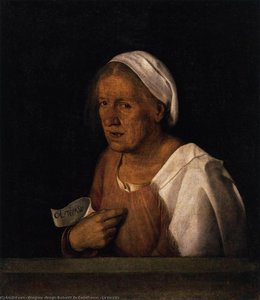
Giorgione’s *Self-Portrait*, housed in the Museum of Fine Arts in Budapest, is not merely a likeness captured on panel; it's an intimate encounter with one of the High Renaissance’s most elusive masters. Painted around 1509–1510, this work transcends simple representation, delving into the very essence of artistic identity and the burgeoning spirit of Venetian painting. The tightly cropped composition immediately draws the viewer in, focusing intently on Giorgione's face and upper torso. His dark hair and beard frame a countenance marked by thoughtful contemplation, creating an almost palpable sense of contained energy within the limited space. It’s a gaze that meets yours directly, establishing a connection across centuries—a silent dialogue between artist and observer.Venetian Innovation in Color and Light
Giorgione was instrumental in defining the distinctive character of the Venetian school, and this self-portrait exemplifies its core principles. Departing from the precise linearity favored by Florentine artists, he prioritized color, atmosphere, and a painterly approach that celebrated the sensual qualities of oil paint. The application is masterful; thick impasto creates a rich texture and luminous effects, particularly in the subtle modeling of his face. Warm browns and ochres dominate the palette, lending an earthy realism to the portrait while simultaneously enhancing its emotional resonance. This wasn’t simply about depicting features accurately—it was about capturing the play of light and shadow, the very *feeling* of being alive. He pioneered a technique of softening outlines and using subtle gradations of tone – known as *sfumato* – to create atmospheric effects that would influence generations of artists to come.A Legacy of Poetic Mood
Born into a period of immense artistic flourishing, Giorgione’s brief career left an indelible mark on Renaissance art. Working alongside contemporaries like Titian—with whom he shared a collaborative spirit—he helped define the Venetian style and its emphasis on poetic mood and subjective experience. His focus represented a departure from earlier portraiture traditions, paving the way for artists to explore psychological depth in their work. While his life remains shrouded in mystery, with limited documentation surviving, his influence is undeniable. The intensity of Giorgione’s gaze evokes introspection, melancholy, and quiet self-assurance. There are no overt symbols clamoring for attention; instead, the overall impression suggests an artist deeply engaged with his own creative process, grappling with questions of identity and mortality. The dramatic lighting further amplifies these emotional undertones, casting shadows that emphasize the contours of his face and adding to the sense of mystery.For Collectors and Interior Spaces
This *Self-Portrait* is more than just a beautiful object; it’s a powerful statement piece for any art collection, representing a pivotal moment in Renaissance history. Its warm color palette and intimate scale make it surprisingly versatile, suitable for a variety of interior design styles—from traditional to contemporary settings. The subdued tones will complement neutral palettes beautifully, while the rich texture adds depth and visual interest to any space. Imagine this piece gracing a study, library, or living room, sparking conversation and inspiring contemplation among guests. It’s an invitation to pause, reflect, and connect with the enduring power of art—a timeless reflection on creativity, identity, and the human condition itself.질의응답
"Self-portrait"은 전체적으로 밝은 편인가요, 아니면 어두운 편인가요?
조르지오네의 "Self-portrait"의 측정된 수치는 다음과 같습니다: 밝기 deep_shadow, 휘도 Dark.
"Self-portrait"은 어떤 기법으로 제작되었나요?
"Self-portrait"은(는) Oil On Canvas 기법으로 제작되었습니다.
"Self-portrait"을(를) 만든 작가는 누구인가요?
"Self-portrait"은(는) 조르지오네의 작품입니다. 이 페이지의 정보는 조르지오네의 원작에 대해 설명합니다.
이 작품에 대해 더 알아보기
 미리보기
미리보기
 공유하기
공유하기 공유하기
공유하기
 상세 정보
상세 정보 가이드 보기

 다운로드
다운로드
 유사 작품 더 보기
 X-레이
X-레이 슬라이드 쇼 보기
 질의응답
질의응답 통계 정보
통계 정보