

 보내기
보내기 공유하기
공유하기
 상세 보기
상세 보기 가이드 보기

 이미지 다운로드
 유사 작품 더 보기
 슬라이드 쇼 보기
 통계 정보
통계 정보코너 테이블


 상세 보기
상세 보기
핸드메이드 유화 복제화
작가가 직접 캔버스에 손으로 그린 유화 작품으로, 원하는 크기와 액자로 맞춤 제작해 드립니다. ( 프린트 판매로 전환 디지털 이미지 판매 채널로 전환)




































작품의 원본 비율을 그대로 유지하는 프리셋 사이즈 중에서 선택해 보세요.

액자나 벽면 크기에 맞춰 필요한 가로와 세로 길이를 입력해 주세요. 본 작품은 수작업으로 제작되므로, 요청하신 비율에 따라 작가가 그림의 가장자리를 조금 더 넓게 그리거나 일부를 조정하여 작업할 수 있습니다. 작업 시작 전, 최종 확인을 위해 디지털 목업 이미지를 보내드립니다. 이 페이지에 표시된 이미지는 실제 결과물과 다를 수 있으며, 오직 목업 이미지만이 정확한 결과물을 보여줍니다.
주문 완료 후 OriginalUniqueArt.com 팀에서 상세 안내를 위해 고객님께 이메일을 보내드리며, 미리보기 시안을 함께 제공해 드립니다.


 유리 옵션은 110cm 미만 크기에서만 선택 가능합니다.

코너 테이블
재현 매체
복제본 규격
-


총 결제 금액
₩ 410943
A Symphony of Rococo Splendor
To gaze upon this exquisite detail of Gilles Joubert’s corner table is to step directly into the gilded heart of eighteenth-century France. Created in 1755, during the height of Louis XV's reign, this piece serves as a breathtaking testament to the Rococo era—a period defined by an unapologetic pursuit of beauty, grace, and ornamental complexity. The table is not merely a functional object of furniture but a meticulously composed masterpiece that captures the very essence of French aristocratic taste. Every curve and every carved flourish whispers stories of a time when craftsmanship was elevated to the level of high art, designed to dazzle the eyes and stir the soul of anyone fortunate enough to reside within its presence.
The artistry embedded in this work reveals the profound mastery of Joubert, a Parisian ébéniste whose reputation as a royal cabinetmaker was unparalleled. The foundation of the piece is fashioned from richly grained oak, a material chosen for its enduring strength and its ability to hold the incredibly fine, delicate carvings that define the Rococo style. Through the painstaking application of techniques such as bolework and burnishing, the wood achieves a lustrous, polished sheen that catches the light with every movement. This organic warmth is brilliantly contrasted by the addition of gilded bronze accents, which provide a regal brilliance, and the rare, sophisticated touch of ivory inlay, reflecting the cosmopolitan ambitions of an era enamored with exoticism and luxury.
The Language of Ornament and Symbolism
Beyond its structural magnificence, the table functions as a visual poem, where every motif carries a deeper, symbolic resonance. The surface is a veritable feast for the senses, dominated by a lush arrangement of floral motifs—roses, lilies, and honeysuckle—that intertwine with scrolling arabesques and stylized foliage. These botanical elements are far from mere decoration; they represent purity, beauty, and fertility, themes that were central to the Rococo ideology of celebrating nature’s abundance. The dynamic visual rhythm created by these intertwining vines draws the viewer into a dance of light and shadow, making the piece feel alive with movement.
Adding a layer of divine enchantment to the composition are the depictions of mythological figures, such as cherubs or angels, positioned strategically at the corners. These celestial beings symbolize divine grace and protection, lending an air of sanctity to the domestic space. The inclusion of embossed plaques, featuring portraits and angelic figures, further enhances this narrative depth, transforming the table into a canvas for storytelling. For the discerning collector or interior designer, such a piece offers more than just aesthetic value; it provides a profound emotional connection to history, bringing a sense of timeless grandeur and sophisticated storytelling into a modern setting.
An Inspiration for the Modern Interior
For those seeking to infuse their living spaces with character and historical weight, this reproduction of Joubert’s work offers an unparalleled opportunity. The deep, rich tones of the wood and the shimmering gold of the bronze mounts create a dramatic focal point that complements both classical and contemporary decor. Whether placed as a statement piece in a formal salon or used to add a touch of antique elegance to a curated library, the table evokes a sense of prestige and refined culture. It is an invitation to surround oneself with the legacy of the masters, ensuring that the splendor of the French Rococo continues to inspire awe and admiration for generations to come.
질의응답
"코너 테이블"의 원작은 어느 박물관에 소장되어 있나요?
Gilles Joubert의 "코너 테이블"의 원작은 베르사유 궁전, Versailles, France에 소장되어 있습니다. 복제화(reproduction)를 통해 이 작품을 집에서도 감상하실 수 있습니다.
"코너 테이블"의 유화 복제본을 주문할 수 있을까요?
Gilles Joubert의 "코너 테이블"의 수작업 복제화는 본 웹사이트의 수작업 유화 복제화 페이지를 통해 리넨 캔버스 위에 손으로 직접 그린 유화 복제화에서 구매하실 수 있습니다.
Gilles Joubert의 "코너 테이블"의 채도와 강도는 어떠한가요?
"코너 테이블"의 채도는 차분한이며, 색채 강도는 단색조의입니다.
작가 소개
The Master of Versailles: The Life and Legacy of Gilles Joubert
In the gilded corridors of eighteenth-century France, where the splendor of the Rococo era reached its most decadent heights, few names commanded as much respect as Gilles Joubert. Born in Paris in 1689 into a world shaped by the artistic rigor of his sculptor father, Joubert was destined to become more than a mere craftsman; he was an architect of luxury. His journey into the heart of French decorative arts began with a profound apprenticeship under the legendary Jean-François Oeben, a mentorship that infused his work with an unparalleled mastery of technique and a deep appreciation for the exotic. Through this lineage, Joular absorbed the secrets of working with precious Asian lacquers and intricate veneers, elements that would later define the visual language of the French court.
As the reign of Louis XV unfolded, Joubert’s talent propelled him from a skilled artisan to the very center of royal life. His career was marked by an extraordinary ascent, characterized by his appointment as ébéniste ordinaire du Garde-Meuble in 1758 and eventually achieving the prestigious title of Ébéniste du Roi (Cabinetmaker to the King) in 1763. This was not merely a professional milestone but a gateway to an unprecedented level of patronage. For over twenty-five years, Joubert served as the primary supplier to the royal household, delivering a staggering volume of work that ranged from the functional elegance of simple bidets to the breathtaking complexity of ceremonial writing desks and commodes.
A Symphony of Wood, Bronze, and Light
The true genius of Joubert lay in his ability to translate the fluid, asymmetrical spirit of the Rococo style into tangible, structural forms. His work was a masterclass in the balance between strength and delicacy. One might look upon his famous bureau plat, delivered to the King’s Cabinet Intérieur in 1759, and see a masterpiece of storytelling through material. Crafted from lacquered oak and adorned with brilliant crimson surfaces that mimicked Chinese lacquer, the piece featured gilded bronze mounts that acted as a frame for pseudo-Asian landscapes. These elements did more than decorate; they created a sense of movement and light, capturing the playful exuberance and theatricality so beloved by the aristocracy.
The sheer scale of his production speaks to a level of industriousness rarely seen in the decorative arts. Between 1763 and 1773 alone, Joubert’s workshop was responsible for delivering approximately 2,200 pieces for use at court. This immense demand required him to act not just as an artist, but as a conductor of a vast orchestra of skilled sub-contractors, ensuring that every piece—whether one of the five hundred commodes or the thousand small tables—met his exacting standards of excellence. His ability to maintain such high quality across such a massive output is a testament to his organizational brilliance and his unwavering commitment to the aesthetic ideals of his era.
Historical Significance and Enduring Influence
The historical weight of Gilles Joubert’s contribution cannot be overstated. He was instrumental in defining the visual identity of the Garde-Meuble de la Couronne, shaping the very interiors that would become the global standard for luxury. While much of his work was exempt from the mandatory maker's stamps due to its royal status, his presence is felt in the most significant collections of the world today, from the halls of Versailles to the prestigious galleries of the Metropolitan Museum of Art and the Getty Museum.
His legacy remains etched in the fine details of French furniture history:
- Technological Mastery: His pioneering use of exotic veneers and complex marquetry set a benchmark for subsequent generations of cabinetmakers.
- Stylistic Evolution: He successfully navigated the transition from the rigid formalities of the Baroque to the fluid, organic curves of the Rococo.
- Royal Patronage: By supplying the French monarchy with thousands of pieces, he helped establish the furniture of the Louis XV period as the pinnacle of European decorative art.

Gilles Joubert
1689 - 1775 , France
작가 정보 요약
- Full Name: Gilles Joubert
- Nationality: French
- Date Of Birth: 1689
- Date Of Death: 1775
- Place Of Birth: Paris, France
- Notable Artworks:
- Corner table (detail)
- Writing table (bureau plat)
- Artistic Movement Or Style: Rococo
- Artists Who Influenced This Artist: ['Jean-François Oeben']
- Artists Or Movements Influenced By This Artist: ['Classical Furniture']
관련 기사

Rococo Art Guide: Integrating Elegant Curves and Pastel Opulence into Luxury Hotel Design
Master the Rococo aesthetic for luxury hospitality. Our expert guide explores integrating pastel palettes, ornate curves, and large-scale fine art reproductions into high-end hotel design through professional procurement and custom canvas solutions.

The Rococo Aesthetic: Opulence, Rebellion & the Pursuit of Pleasure in 18th-Century Art
Explore the opulent world of Rococo art! Discover its origins, key artists like Watteau & Boucher, and lasting influence on design. Expert insights for collectors & enthusiasts.

휘황한 로코코 시대의 예술적 황금률: 10가지 걸작 탐구
화려함과 우아함의 절정, 로코코 미술! 부셰, 프라고나르 등 거장들의 걸작 10편을 통해 18세기 예술 황금시대를 만나보세요. OriginalUniqueArt.com에서 박물관 수준의 명품 아트 프린트와 인테리어 영감을 얻으세요. 지금 바로 온라인 컬렉션을 탐험해보세요!
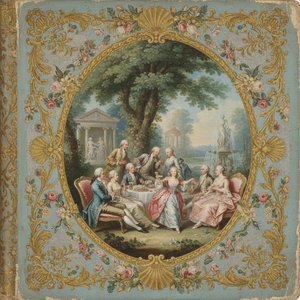
The Rococo Style: Aristocratic Leisure & the Pursuit of Delight in 18th-Century Art
Explore the opulent world of Rococo art! Discover Watteau, Boucher & Nattier's masterpieces. Expert insights for collectors seeking museum-quality reproductions and custom portraits at OriginalUniqueArt.

The Allure of Elegance in Art: A Historical & Aesthetic Exploration of Refinement & Grace
Explore the exquisite world of Rococo art! Discover its history, masters (Watteau, Boucher & more), and defining elegance. Expert insights for collectors seeking museum-quality reproductions & custom portraits.
