
 실제 크기로 보기
 보내기
보내기 공유하기
공유하기
 상세 보기
상세 보기 가이드 보기

 이미지 다운로드
 유사 작품 더 보기
 X-레이
X-레이 슬라이드 쇼 보기
 통계 정보
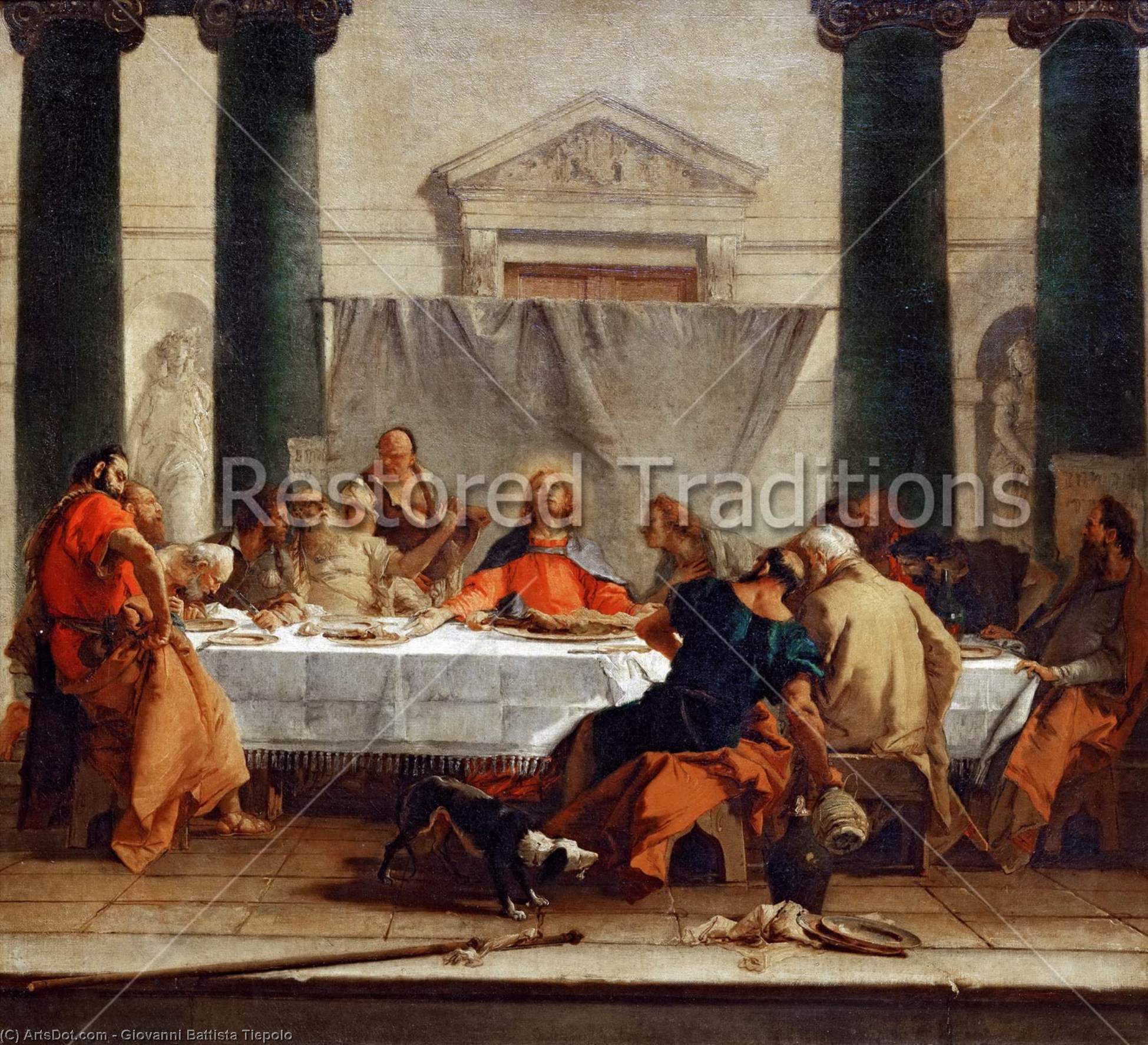
통계 정보The Last Supper
 Oil On Canvas
- WallArt
- High Renaissance
 1745
1745 81.0 x 90.0 cm
 루브르 박물관
 상세 보기
상세 보기
핸드메이드 유화 복제화
작가가 직접 캔버스에 손으로 그린 유화 작품으로, 원하는 크기와 액자로 맞춤 제작해 드립니다. ( 프린트 판매로 전환 디지털 이미지 판매 채널로 전환)




P118B $10

P118H $10

P118W $10

P438Z $10

P508JH $12

P508YH $12

P805H $10

P805Z $10

P919BZ $10

P919G $10

P919XJ $10

P959ZH $10

P968JZ $12

W106C $8

W218G $10

W218JH $8

W218Y $10

W307PJ $10

W316G $10

W316PJ $8

W316Y $10

W398PJ $8

W4111J $10

W500HY $15

W500JH $15

W692G $12

W849H $8

W940BG $15

W953PJ $8




작품의 원본 비율을 그대로 유지하는 프리셋 사이즈 중에서 선택해 보세요.

특정 프레임이나 공간에 맞춰 원하는 크기를 직접 입력하실 수 있습니다. 선택하신 크기가 원본 이미지의 비율과 일치하지 않을 경우, 작품을 자르거나 추가적인 수작업 요소를 더해 그림을 확장하여 제작합니다. 제작 시작 전, 최종 확인을 위해 디지털 목업을 보내드립니다.
화면상의 미리 보기는 실제 크롭(자르기)이나 확장된 상태를 완벽히 반영하지 않을 수 있습니다. 최종 구도는 오직 목업을 통해서만 정확하게 확인하실 수 있습니다.
맞춤 크기 제작도 가능하지만, 원본의 비율을 그대로 유지하기 위해서는 미리 정의된 목록에서 크기를 선택하시는 것을 권장합니다.
주문 완료 후 OriginalUniqueArt.com 팀에서 상세 안내를 위해 고객님께 이메일을 보내드리며, 미리보기 시안을 함께 제공해 드립니다.


 유리 옵션은 110cm 미만 크기에서만 선택 가능합니다.

The Last Supper
재현 매체
복제본 규격
-


총 결제 금액
$ 300
A Moment Frozen in Time: The Story of the Last Supper
Leonardo da Vinci’s The Last Supper, housed within the refectory of Santa Maria delle Grazie in Milan, isn't merely a painting; it’s an immersive experience. Completed between 1495 and 1498, this monumental fresco captures a pivotal moment – the announcement by Jesus of his impending betrayal – and unfolds with breathtaking realism and profound psychological depth. The scene is not simply depicted; it’s felt. Leonardo masterfully utilizes perspective to draw the viewer into the heart of the gathering, creating an illusion of space that feels both intimate and expansive. The figures aren't static representations but are caught in moments of stunned disbelief, quiet contemplation, or outright anger – a testament to Leonardo’s unparalleled ability to convey human emotion through gesture and expression.
The painting’s genesis is rooted in the ambitious plans of Ludovico Sforza, Duke of Milan, who envisioned transforming the monastery into a family mausoleum. Leonardo was commissioned to decorate the wall of this future burial chamber with a series of frescoes, including The Last Supper. This commission provided Leonardo with an unprecedented opportunity to experiment with new techniques and push the boundaries of artistic representation. He famously chose to work in tempera on gesso rather than fresco, a decision that ultimately contributed to the painting’s rapid deterioration over centuries – a poignant reminder of the fragility of art and the challenges inherent in pioneering new methods.
The Secrets of Composition: Perspective and Human Drama
Leonardo's genius lies not just in his ability to render realistic figures, but also in his innovative use of perspective. He employs *aerial perspective*, subtly blurring details in the background to create a sense of depth and distance, drawing the eye towards Jesus at the center of the composition. The arrangement of the apostles is equally deliberate; Leonardo groups them into clusters based on their reactions to Christ’s announcement, creating a dynamic visual narrative. Notice how Judas, often depicted with a subtle but unmistakable sneer, sits apart from the others, radiating an aura of suspicion and treachery.
The painting's psychological realism is equally remarkable. Leonardo meticulously studied human anatomy and expression, capturing the nuances of each apostle’s reaction – shock, denial, anger, confusion, and acceptance. He doesn’t simply depict faces; he reveals inner states. The subtle shifts in posture, hand gestures, and facial expressions convey a complex web of emotions that resonate deeply with viewers even today. Leonardo's use of *chiaroscuro*—the dramatic contrast between light and shadow—further enhances the sense of drama and realism, highlighting key figures and creating a powerful emotional impact.
Symbolism and Religious Significance
Beyond its technical brilliance, The Last Supper is rich in religious symbolism. The bread and wine depicted on the table represent the Eucharist, the central sacrament of Christianity – a memorial to Jesus’ sacrifice. The act of breaking bread symbolizes Christ's body being broken for humanity’s salvation. The setting itself—a simple dining room—underscores the intimate nature of this sacred event. Even Judas’ placement is significant; he sits in the darkest corner, symbolizing his role as the betrayer and the source of darkness within the group.
The painting's enduring power lies not only in its artistic merit but also in its profound exploration of human nature – betrayal, faith, doubt, and love. It’s a timeless masterpiece that continues to captivate viewers with its emotional intensity, technical innovation, and spiritual depth. The Last Supper remains a cornerstone of Western art history, a testament to Leonardo da Vinci's genius and his ability to capture the essence of human experience on canvas.
작가 소개
조반니 바티스타 티에폴로: 베네치아 빛의 건축가
조반니 바티스타 티에폴로(1696 – 1770)는 동시대 화가들 사이에서 거인으로 우뚝 서 있으며, 로코코 미술의 뛰어난 대가이자 18세기 프레스코화 예술가 중 가장 영향력 있는 인물로 손꼽힙니다. 예술적 전통이 깊게 뿌리내린 이탈리아 베네치아에서 태어난 티에폴로는 숨 막힐 듯 아름다운 회화와 기념비적인 벽화 작품을 통해 교회와 궁전을 색채, 극적인 감동, 환상적인 화려함으로 가득 찬 몰입형 공간으로 탈바꿈시키며 타의 추종을 불허하는 명성을 얻었습니다. 그의 유산은 오늘날에도 예술가들에게 영감을 주며 베네치아 미술사에서 가장 중요한 인물 중 한 사람으로서의 입지를 확고히 하고 있습니다.- 초기 생애와 훈련: 티에폴로의 예술 여정은 존경받는 베네치아 화가 조반니 안토니오 펠레그리니의 지도 아래 시작되었습니다. 펠레그리니는 바로크 미술의 초석인 데시뇨(이탈리아어로 드로잉과 디자인을 의미함)에 대한 기본적인 이해를 심어주었습니다. 그의 뛰어난 재능을 알아본 펠레그리니는 티에폴로가 볼로냐 아카데미에서 공부하도록 격려했고, 이곳에서 프란체스코 바르톨로메오 라스트렐리와 안토니오 카날레토와 같은 예술가들과 함께 바로크 미술의 웅장함과 떠오르는 로코코 우아함을 모두 흡수했습니다.
- 베네치아 작업실과 예술적 돌파구: 1726년 베네치아로 돌아온 티에폴로는 곧바로 뛰어난 예술의 대명사가 된 번성한 작업실을 설립했습니다. 그는 섬세한 장식, 파스텔 색조, 비대칭 구성을 특징으로 하는 로코코 미술의 스타일 원칙을 받아들였지만 고전적인 비율과 관점의 핵심 원칙에 대한 헌신을 유지했습니다. 이러한 조화로운 결합은 청중을 사로잡고 비판적 찬사를 받은 작품을 탄생시켰으며, 특히 팔라초 라비아와 카 레치오니코를 장식한 프레스코화가 대표적입니다.
- 왕실의 후원과 대규모 의뢰: 티에폴로의 예술적 명성은 빠르게 유럽 군주들의 관심을 끌었고, 이탈리아 전역, 스페인, 프로이센의 왕과 공작으로부터 막대한 의뢰를 받게 되었습니다. 빈 근교 쇤브룬 궁전의 기념비적인 프레스코화와 포츠담의 산수시 궁전은 그의 규모와 극적인 표현에 대한 탁월함을 보여주는 대표적인 예시이며, 공간을 왕권과 예술적 혁신을 기리는 화려한 광경으로 탈바꿈시켰습니다.
- 기법 및 혁신: 티에폴로의 독특한 기법은 정밀한 준비를 포함했으며, 정확한 공간 관계를 확립하기 위해 회색조 밑그림을 사용했습니다. 그는 혁신적인 안료 혼합 및 유화 기법을 개척하여 그 자체로 빛을 발산하는 듯한 선명한 표면을 만들어냈으며, 이는 그의 타의 추종을 불허하는 예술적 비전의 특징입니다. 그의 프레스코화는 탁월한 키아로스쿠로(빛과 그림자의 상호 작용) 사용으로 유명하며, 생생한 깊이와 역동성을 생성합니다.
- 유산 및 영향: 티에폴로의 영향력은 그의 생존 기간을 훨씬 넘어 후대 예술가들의 미학적 감각을 형성했습니다. 환상적인 회화에 대한 그의 강조는 바로크 미술과 로코코 미술 스타일에 심오한 영향을 미쳤으며, 극적인 웅장함과 시각적 화려함의 확고한 옹호자로서의 입지를 확립했습니다. 오늘날 티에폴로의 작품은 경외심과 감탄을 불러일으키며 베네치아 예술 천재를 기념하는 영구적인 기념물 역할을 합니다.
주요 작품 및 예술적 업적
- 산 조르조 마조레 성모 승천: 티에폴로의 걸작으로 여겨지는 이 기념비적인 프레스코화는 몰입형 환경을 창조하고 심오한 영적 감정을 전달하는 그의 타의 추종을 불허하는 기술을 보여줍니다. 솟아오르는 천장은 성모 마리아가 천상의 행렬 속에서 하늘로 승천하는 숨 막힐 듯 아름다운 광경을 묘사하며, 비교할 수 없는 색채와 움직임이 특징입니다.
- 성 베드로의 승리: 로마 성 베드로 대성전에 위치한 이 프레스코화는 교황 즉위식을 기념하는 장엄한 축하 행사로, 정밀한 디테일과 선명한 생동감으로 묘사되었습니다.
- 팔라초 라비아 프레스코화: 티에폴로의 팔라초 라비아 내부 프레스코화는 환상적인 회화를 마스터하는 능력을 보여주며, 시청자들을 18세기로 데려가는 매혹적인 베네치아 생활 전경을 만들어냅니다.
연결 및 예술적 영향
티에폴로의 예술적 발전은 그의 시대의 지배적인 스타일 트렌드에 의해 심오하게 형성되었습니다. 그는 카라바조의 극적인 키아로스쿠로와 베르니니의 조각적 기교를 흡수하여 바로크 미술의 웅장함을 포용하면서 동시에 로코코 미술의 섬세한 미학 원칙을 탐구했습니다. 또한 안토니오 카날레토와 긴밀하게 협력했으며, 그의 세심한 도시 풍경 회화는 티에폴로 자신의 베네치아 도시 경관 묘사에 영감을 주었습니다.
잔 바티스타 티에폴로
1696 - 1770 , 대한민국
작가 정보 요약
- Artistic Movement Or Style: 로코코 미술
- Artists Or Movements Influenced By This Artist: ['바로크']
- Artists Who Influenced This Artist: ['니콜라 프레미에']
- Date Of Birth: 1696년 베네치아 출생
- Date Of Death: 1770년 마드리드 사망
- Full Name: 조반니 바티스타 티에폴로
- Nationality: 이탈리아 국적
- Notable Artworks (List Of Titles):
- 성모 승천
- 젊은 활잡는 남자
- Place Of Birth (City And Country): 이탈리아 베네치아
관련 기사
Renaissance Humanism's Greatest Art: 10 Masterpieces for Your Home
Explore 10 Renaissance Humanism masterpieces by Leonardo da Vinci, Michelangelo & Raphael. Discover the stories behind these iconic paintings & sculptures and bring timeless art into your home with museum-quality reproductions from OriginalUniqueArt.com. Explore the full collection online!
피렌체 우피치 미술관 최고 걸작 25선: 예술과 역사의 숨결을 담아
피렌체 우피치 미술관 최고 걸작 25선을 만나보세요. 빈치, 보티첼리, 미켈란젤로 등 거장들의 숨겨진 이야기와 르네상스 회화의 아름다움을 탐험합니다. OriginalUniqueArt.com에서 명화 복제본과 예술 작품 인테리어 아이디어를 찾아보세요.
루브르 박물관 최고 걸작 25선: 예술과 역사의 숨결을 담아 (Louvre Masterpieces)
루브르 박물관 최고 걸작 25선을 만나보세요. 모나리자, 빈센트 반 고흐 등 유명 화가들의 숨겨진 이야기와 예술 기법을 탐험하고, 프랑스 미술의 정수를 느껴보세요. OriginalUniqueArt.com에서 고품질 미술 복제품과 인테리어 아이디어를 찾아보세요.
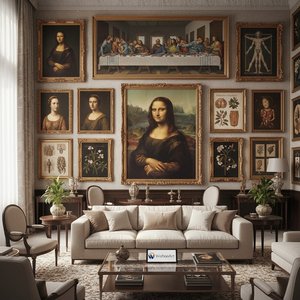
레오나르도 다 빈치 최고 걸작 25선: 예술과 과학의 경계를 넘어서 (Leonardo da Vinci's 25 Masterpieces)
레오나르도 다 빈치의 시대를 초월하는 25개의 명작을 만나보세요. 모나리자, 최후의 만찬 등 예술과 과학이 융합된 걸작들의 숨겨진 이야기와 기법을 탐험합니다. OriginalUniqueArt.com에서 고품질 미술 작품을 감상하고 특별한 인테리어 영감을 얻으세요.
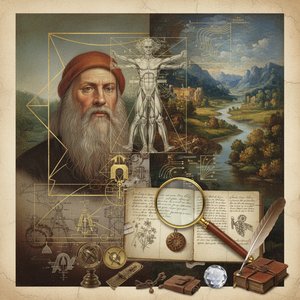
Leonardo da Vinci: A Renaissance Master’s Synthesis of Art, Science & Human Observation – Reinterpreted for the Collector
Explore Leonardo da Vinci’s timeless masterpieces with OriginalUniqueArt. Discover insights into his art, science, and legacy – trusted expertise for discerning collectors seeking authentic reproductions & investment opportunities.


