
 미리보기
미리보기
 공유하기
공유하기 공유하기
공유하기
 상세 정보
상세 정보

 다운로드
다운로드
 유사 작품
유사 작품 X-레이
X-레이 슬라이드 쇼
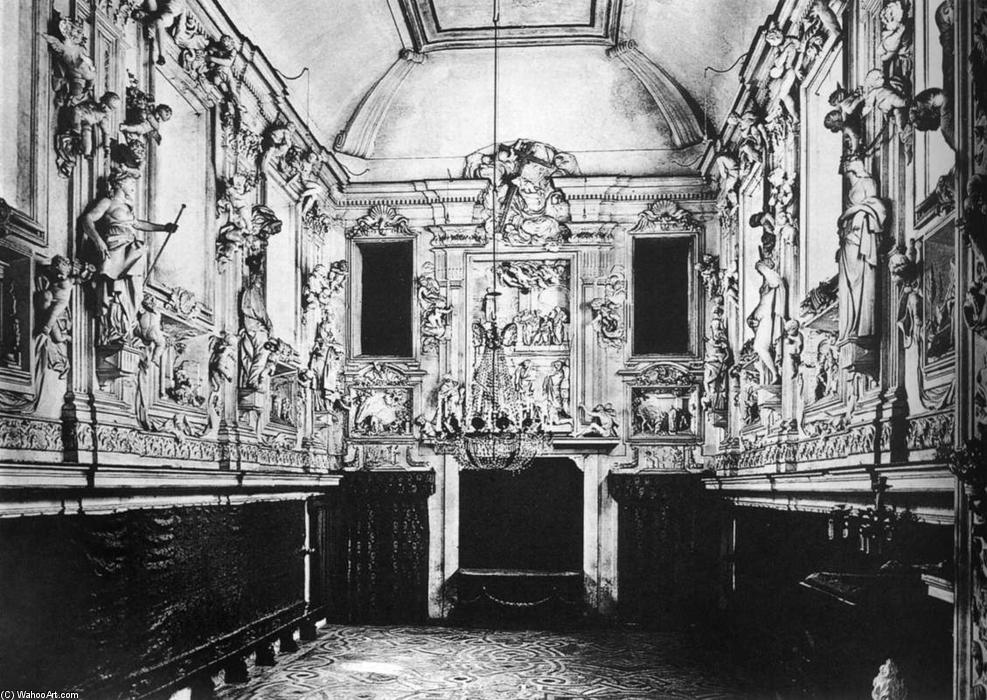
Interior decoration


 더 보기
더 보기
지클레 / 아트 프린트
빠른 제작과 다양한 마감 옵션을 제공하는 박물관 품질의 지클레이 또는 캔버스 프린트. ( 수제 페인팅으로 전환하기 이미지로 전환)




































작품의 원본 비율을 유지하는 미리 설정된 크기 중에서 선택하세요.

특정 프레임이나 공간에 맞춰 직접 치수를 입력하실 수 있습니다. 선택하신 사이즈가 원본 이미지의 비율과 일치하지 않을 경우, 작품을 크롭(자르기)하거나 이미지를 대칭 또는 단색 채우기로 확장하여 제작합니다. 제작 시작 전, 최종 확인을 위해 디지털 목업이 전송됩니다.
화면상의 미리보기는 실제 크롭이나 확장 상태를 반영하지 않으므로, 최종 구도는 오직 목업을 통해서만 정확하게 확인하실 수 있습니다.
맞춤 사이즈 제작도 가능하지만, 원본 비율을 유지하기 위해서는 사전 정의된 목록에서 치수를 선택하시는 것을 권장합니다.


 유리 옵션은 110cm 미만 크기에서만 선택 가능합니다.

Interior decoration
지클레 / 아트 프린트
복제본 크기
-


최종 결제 금액
$ 80
작가 약력
The Meteor in the Sicilian Sky
In the golden, sun-drenched landscape of seventeenth-century Sicily, a singular brilliance emerged that would forever alter the texture of Baroque ornamentation. Rudolf Wittkower famously christened Giacomo Serpotta as a “meteor in the Sicilian sky,” a metaphor that perfectly captures the sudden, dazzling impact of an artist who rose from provincial roots to achieve a level of mastery rarely seen in the history of sculpture. Born in Palermo in 1656, Serpotta did not seek the grand stages of Rome or Florence; instead, he remained anchored to his native island, transforming its churches and oratories into ethereal realms of white, luminous splendor. While the great masters of his era were preoccupied with the heavy permanence of marble, Serpotta found his voice in a far more humble medium: stucco.
Serpotta’s life was deeply intertwined with the very material he mastered. Born into a family of artisans, he learned the rhythm of the workshop from a young age, absorbing the secrets of gypsum and lime. This intimate connection to his craft allowed him to perform what many described as alchemy—turning wet, malleable plaster into scenes of such lifelike vitality that they seemed to breathe within the stone. His early career was marked by collaborations, most notably with Procopio de Ferrari in the decoration of the Chiesa della Madonna dell'Itria in Monreale. However, it was his ability to move beyond mere architectural ornament to create entire, self-contained dramatic worlds that truly set him apart.
A Mastery of Motion and Light
The genius of Serpotta lay in his profound understanding of spatial illusion and the emotive power of light. Unlike the rigid structures of classical sculpture, Serpotta’s work possessed a florid elegance and a sense of weightless movement. He utilized the unique properties of stucco to create deep undercuts and delicate, fluttering drapery that caught the shifting Sicilian sunlight, creating a dance of shadows across the walls of Palermo's most sacred spaces. His compositions were often teeming with life—a profusion of putti, graceful figures, and intricate floral motifs that seemed to erupt from the very architecture itself.
His technical achievements reached breathtaking heights in projects such as the Oratory of San Lorenzo and the Oratory of Santa Cita. In the latter, he achieved a feat of narrative complexity by depicting a massive naval battle, inspired by the Battle of Lepanto, all rendered in the delicate medium of plaster. To witness his work is to experience a sense of organized chaos; the walls appear to quiver with the movement of a crowd, yet every figure is placed with an intuitive sense of balance and grace. This ability to blend the monumental with the minute—to make a heavy wall feel as light as lace—is the hallmark of his unparalleled skill.
Legacy of the Stucco Master
Serpotta’s influence was not merely individual but familial, as he spearheaded a prolific artistic enterprise alongside his brother Giuseppe and his son Procopio. Together, they established a studio that became the heartbeat of Sicilian Baroque decoration, leaving an indelible mark on the religious landscape of Palermo. Though some historians suggest he may have lacked direct exposure to the mainstream currents of the Roman Baroque, his work possesses a distinctive, localized energy that feels entirely original. He did not imitate the grandeur of Bernini; he reimagined it through a Sicilian lens, replacing marble's cold permanence with the radiant, ephemeral glow of white stucco.
The historical significance of Giacomo Serpotta extends far beyond the borders of Sicily. He represents a rare moment in art history where a provincial artist, working in isolation from the major artistic capitals, managed to create a style so potent and recognizable that it redefined the aesthetic of an entire region. His legacy remains etched in the very bones of Palermo’s oratories—a testament to a man who could take the simplest of materials and, through sheer vision, turn them into eternal masterpieces of light and motion.

Giacomo Serpotta
1656 - 1732 , Italy
주요 정보
- Artistic Movement Or Style: Rococo Stucco Sculpture
- Artists Or Movements Influenced By This Artist: ['Caravaggio']
- Artists Who Influenced This Artist: ['Antonio Raggi']
- Date Of Birth: 1656 Palermo Italy
- Date Of Death: 1732
- Full Name: Giacomo Serpotta
- Nationality: Italian
- Notable Artworks:
- Fortitude
- Humility
- Charity
- Place Of Birth: Palermo Sicily

