

 실제 크기로 보기
 보내기
보내기 공유하기
공유하기
 상세 보기
상세 보기 가이드 보기

 이미지 다운로드
 유사 작품 더 보기
 X-레이
X-레이 슬라이드 쇼 보기
 통계 정보
통계 정보Facon de Planter Le Riz


 상세 보기
상세 보기
지클레 / 아트 프린트
빠른 제작과 다양한 마감 옵션을 선택할 수 있는 박물관 수준의 지클레이 및 캔버스 프린트. ( 수작업 채색 복제본 주문하기 디지털 이미지 판매 채널로 전환)




P118B $10

P118H $10

P118W $10

P438Z $10

P508JH $12

P508YH $12

P805H $10

P805Z $10

P919BZ $10

P919G $10

P919XJ $10

P959ZH $10

P968JZ $12

W106C $8

W218G $10

W218JH $8

W218Y $10

W307PJ $10

W316G $10

W316PJ $8

W316Y $10

W398PJ $8

W4111J $10

W500HY $15

W500JH $15

W692G $12

W849H $8

W940BG $15

W953PJ $8




작품의 원본 비율을 그대로 유지하는 프리셋 사이즈 중에서 선택해 보세요.

특정 프레임이나 공간에 맞춰 직접 치수를 입력하실 수 있습니다. 선택하신 사이즈가 원본 이미지의 비율과 일치하지 않을 경우, 작품을 크롭(자르기)하거나 이미지를 대칭 또는 단색 채우기로 확장하여 제작합니다. 제작 시작 전, 최종 확인을 위해 디지털 목업이 전송됩니다.
화면상의 미리보기는 실제 크롭이나 확장 상태를 반영하지 않으므로, 최종 구도는 오직 목업을 통해서만 정확하게 확인하실 수 있습니다.
맞춤 사이즈 제작도 가능하지만, 원본 비율을 유지하기 위해서는 사전 정의된 목록에서 치수를 선택하시는 것을 권장합니다.


 유리 옵션은 110cm 미만 크기에서만 선택 가능합니다.

Facon de Planter Le Riz
지클레 / 아트 프린트
복제본 규격
-


총 결제 금액
$ 80
A Symphony of Labor and Light
In the vibrant tapestry of Haitian art history, few works capture the rhythmic pulse of rural life as intimately as Gervais Emmanuel Ducasse’s Facon de Planter Le Riz. This evocative oil painting serves as a window into a world where the boundaries between human effort and the natural landscape blur into a singular, harmonious existence. The scene unfolds within a lush, tropical expanse, where the verdant greens of the Caribbean flora meet the industrious energy of a community engaged in the ancient ritual of rice cultivation. As the eye wanders across the canvas, one is immediately struck by the sense of movement; the figures are not merely static subjects but are caught in the very act of creation, their bodies leaning into the earth, embodying the profound connection between the Haitian people and their fertile soil.
The composition is a masterclass in folk-art storytelling, utilizing a flattened perspective that prioritizes emotional clarity over mathematical precision. A small, brightly colored house with striking red accents sits nestled within the landscape, acting as a symbolic anchor of domesticity and shelter amidst the vast, working fields. This architectural focal point provides a sense of stability, suggesting that even within the rigorous demands of agricultural labor, there exists a sanctuary of home and heritage. The surrounding palm trees reach upward, their silhouettes framing the scene and grounding the viewer in a specific, sun-drenched geography that feels both timeless and deeply personal.
Technique and the Tactile Soul of the Canvas
To behold Facon de Planter Le Riz is to experience the physical presence of the medium itself. Ducasse employs a technique characterized by thick, expressive impasto brushstrokes that lend the painting a remarkable tactile quality. These raised layers of oil paint do more than just depict texture; they breathe life into the vegetation and the very skin of the laborers, catching the light in ways that suggest the humid, heavy atmosphere of a tropical afternoon. The use of line is primarily linear, defining the shapes of tools like hoes and the contours of the figures with a bold, certain hand that speaks to the artist's confidence.
The color palette is nothing short of celebratory. Bold, saturated hues dominate the canvas, creating a visual rhythm that mirrors the repetitive, rhythmic nature of planting rice. This use of color, combined with simplified geometric forms, elevates the work from a mere documentary piece to a visionary expression of culture. For the discerning collector or interior designer, this painting offers more than just aesthetic beauty; it provides a profound sense of warmth and vitality. The interplay of light—diffuse and natural, as if filtered through a tropical canopy—creates an inviting atmosphere that can transform a space, bringing the soulful, industrious spirit of Haiti into the modern home.
A Legacy of Cultural Identity
Beyond its visual splendor, the artwork carries the weight of historical significance. Created during a period when Haitian artists were increasingly focused on reclaiming and celebrating their cultural identity, Ducasse’s work stands as a testament to the dignity of labor. There is no sense of hardship portrayed here; instead, there is an overwhelming tone of industriousness and rustic charm. The painting celebrates the social dynamics of a rural community, where every movement contributes to the collective survival and prosperity of the village.
For those seeking to acquire a high-quality reproduction, this piece offers a rare opportunity to own a fragment of a visionary's legacy. It is an investment in art that speaks to the universal human experience—the cycle of growth, the importance of community, and the enduring beauty of the land. Whether placed in a curated gallery setting or as a centerpiece in a sophisticated living space, Facon de Planter Le Riz continues to resonate with its ability to evoke emotion, inspire wonder, and honor the resilient spirit of the Haitian landscape.
작가 소개
Gervais Emmanuel Ducasse: A Haitian Visionary
Gervais Emmanuel Ducasse (1903-1988) stands as a pivotal figure in Haitian art history, recognized for his distinctive approach to depicting historical narratives and capturing the essence of Haitian culture through vibrant color palettes and bold stylistic choices. Born in Port-au-Prince, Haiti, Ducasse’s artistic journey unfolded against the backdrop of a nation grappling with colonial legacies and striving for cultural identity—a context that profoundly shaped his creative vision. While biographical details remain somewhat sparse, his dedication to painting solidified him as one of Haiti's most respected artists, leaving an indelible mark on Haitian art and inspiring subsequent generations.
Information regarding Ducasse’s formative years is limited; however, it’s understood that he possessed a natural inclination towards artistic expression from a young age within the bustling environment of Port-au-Prince. Exposure to Haitian traditions and folklore undoubtedly fueled his imagination and nurtured his burgeoning talent. His initial training likely involved absorbing techniques prevalent in Haitian folk art—characterized by simplified forms, bold colors, and expressive brushstrokes—which would later become hallmarks of his mature style. The influence of European Impressionism is also speculated as a formative element, introducing Ducasse to innovative approaches to color and light that he skillfully integrated into his own artistic vocabulary.
The Language of Color and Composition
Ducasse’s artistic signature lies in his masterful manipulation of color—a technique that distinguishes him from many contemporaries. He employed palettes brimming with hues drawn directly from the Haitian landscape, translating tropical flora and fauna onto canvas with remarkable accuracy. More importantly, Ducasting eschewed conventional compositional conventions, favoring dynamic arrangements that breathed life into his subjects. His work often features a rich impasto texture, where the physical application of paint adds a tactile dimension to the scenes he portrays.
His subject matter frequently celebrated the rhythms of daily Haitian life and the dignity of labor. In masterpieces such as Facon de Planter Le Riz, he captures the essence of rural toil with a vibrant folk-art sensibility, turning a scene of agricultural necessity into a poetic tribute to the land. Similarly, his ability to infuse movement into static scenes is evident in works like The Bridge, where the lively spirit of two women crossing a bridge on donkeys invites the viewer into a colorful moment of Haitian history. Through these compositions, Ducasse did more than just paint; he documented the soul of a people.
Legacy and Cultural Significance
Beyond the mere depiction of scenery, Ducasse’s work serves as a vital repository of Haitian cultural heritage. He possessed a unique ability to blend the mundane with the monumental, using bold lines and expressive colors to elevate folk traditions into the realm of fine art. His depictions of local customs, such as the energetic and spirited Gargeur Coqs, showcase his talent for capturing the raw energy of communal life through a lens of profound respect and artistic innovation.
The historical significance of Gervais Emmanuel Ducasse lies in his role as a bridge between traditional Haitian folk aesthetics and a more formalized artistic expression. His legacy is characterized by several key contributions:
- Cultural Preservation: Through his paintings, he immortalized scenes of rural labor, local traditions, and the vibrant landscapes of Haiti that might otherwise have faded from collective memory.
- Stylistic Innovation: By integrating elements of Impressionism with indigenous folk techniques, he helped expand the visual vocabulary of Caribbean art.
- National Identity: His work provided a visual language for a nation seeking to define itself through its own colors, textures, and historical narratives.
Today, the works of Ducasse continue to resonate in museums and private collections worldwide, serving as a testament to his enduring vision and his profound connection to the heart of Haiti.

gervais emmanuel ducasse
1903 - 1988 , Haiti
작가 정보 요약
- Artistic Movement Or Style: Colorful Haitian Primitive Art
- Date Of Birth: 1903
- Date Of Death: 1988
- Full Name: Gervais Emmanuel Ducasse
- Nationality: Haitian
- Notable Artworks:
- Cottages and Trees
- Vegetable Cart
- The Bridge
- Place Of Birth: Port-au-Prince, Haiti
관련 기사

The Soul of Impressionism: Why Oil on Canvas Captures Eternal Light and Timeless Emotion
Discover the enchanting alchemy of Impressionism. Explore how the mastery of oil on canvas, through glazing and impasto, captures eternal light and emotion. Perfect for lovers of Monet and Van Gogh seeking the profound depth of hand-painted fine art.
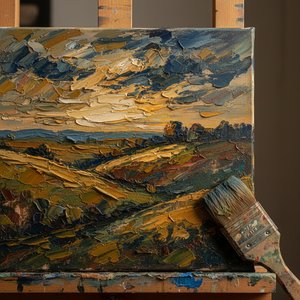
The Timeless Beauty of Oil on Canvas: A Masterclass in Texture, Impasto, and Artistic Mastery
Discover the profound allure of oil on canvas. Explore the mastery of impasto textures, the science of pigment longevity, and expert guides to selecting museum-quality reproductions that elevate your collection with timeless elegance and tactile depth.

Oil on Canvas: A Historical & Technical Exploration of a Timeless Artistic Medium
Explore the rich history & enduring techniques of oil painting on canvas. Discover the science behind its longevity, conservation practices, and contemporary relevance. Expert insights for art enthusiasts.

The Enduring Legacy of Oil on Canvas: Technique, History & Aesthetic Impact
Explore the rich history & techniques of oil painting – from Renaissance masters to Impressionism. Discover pigments, layering methods, and why this timeless medium endures. Expert insights for artists & art enthusiasts.

The Enduring Power of Painting: A Historical & Contemporary Exploration of Form and Emotion
Explore the rich history & enduring techniques of oil painting with OriginalUniqueArt. Discover masterpieces, learn about art collecting, and find authentic handmade reproductions crafted by skilled artists.