 프린트 판매로 전환
 상세 보기
상세 보기







































 가로 또는 세로 중 어느 한 면이라도 105cm(약 41인치)를 초과하는 작품이나 복제화의 경우, 프레임은 분해된 키트 형태로 배송됩니다. 이는 안전한 배송을 보장하고 운송 중 발생할 수 있는 손상을 방지하기 위함입니다.


Brigid Polk: A Meditation on Memory and Texture
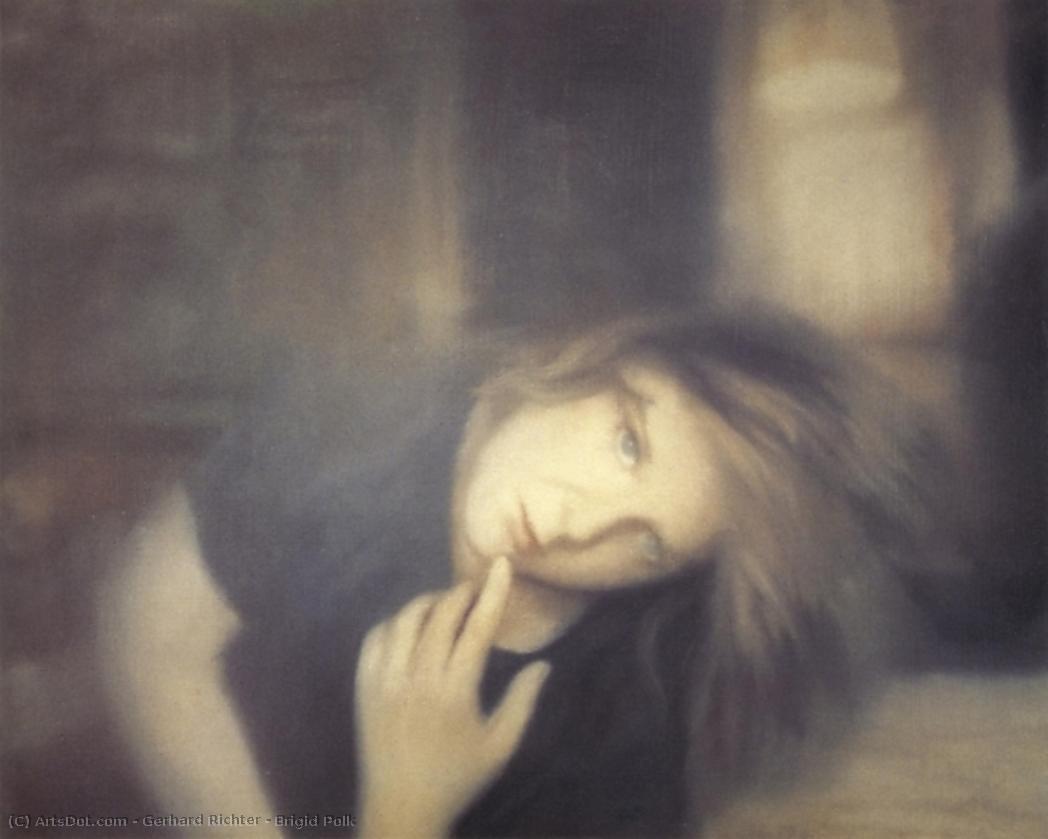
Gerhard Richter’s “Brigid Polk” (1971) presents a deceptively simple image – a woman reclining on her side against a muted wall – yet it encapsulates the core tenets of Richter's artistic philosophy: a preoccupation with photographic representation filtered through layers of abstraction. This painting exemplifies his signature style, dubbed ‘Capitalist Realism,’ which deliberately obscures the source material while simultaneously capturing its essence.
- Subject Matter & Composition: The portrait depicts Brigid Polk, a figure rendered in muted tones and subtly blurred contours. Richter’s masterful use of layering—evident in the textured surface achieved through multiple coats of paint—creates an atmosphere of quiet contemplation. The woman's pose is deliberately languid, conveying a sense of repose and introspection that invites viewers to consider themes of vulnerability and stillness.
- Technique: Richter employs a technique characterized by applying thin layers of pigment onto canvas, followed by sanding down the surface to achieve a velvety smoothness. This process mimics the appearance of photographic prints, specifically halftone screens—a deliberate nod to the burgeoning influence of photography on artistic practice during the period. The subtle gradations of color contribute to the painting’s ethereal quality.
- Historical Context: Created in 1971, “Brigid Polk” sits firmly within Richter's formative years as an artist grappling with the anxieties and uncertainties of post-war Germany. Following the devastation of World War II and the subsequent division of Berlin, Richter’s artistic vision was shaped by a desire to explore the complexities of perception and memory—concepts central to his oeuvre.
- Symbolism & Emotional Impact: While devoid of overt narrative content, “Brigid Polk” speaks volumes about the artist's engagement with psychological states. The blurred contours suggest an elusive quality, mirroring the difficulty of capturing fleeting moments or reconstructing past experiences. More broadly, it embodies Richter’s exploration of how images can evoke emotion and provoke contemplation without resorting to explicit representation.
Richter’s deliberate obfuscation isn't merely stylistic; it reflects a deeper philosophical stance—a questioning of the very notion of objective reality. He seeks not to reproduce what is seen but rather to distill its emotional resonance, transforming photographic images into canvases that resonate with profound psychological depth.
- Material Considerations: The painting utilizes acrylic pigment on canvas, chosen for its durability and ability to achieve a luminous finish. Richter’s meticulous attention to detail—evident in the subtle variations of tone and texture—underscores his commitment to mastering traditional painting techniques while simultaneously embracing the possibilities offered by contemporary materials.
"Brigid Polk" stands as a testament to Gerhard Richter's enduring legacy as one of Germany’s most influential artists. Its understated beauty and contemplative mood continue to captivate audiences worldwide, cementing its place within the canon of 20th-century art.
질의응답
"Brigid Polk"은(는) 어떤 공간에서 어떤 용도로 활용하기에 좋을까요?
게르하트 리히터의 "Brigid Polk"은(는) Accent(을)를 위해 추천되며, Living Room에 배치하기에 가장 이상적입니다. 용도와 공간 정보를 함께 참고하여 작품의 위치를 결정해 보세요.
제 방에 "Brigid Polk"을(를) 어떤 사이즈로 프린트하는 것이 좋을까요?
Living Room 공간에는 "Brigid Polk" 작품을 Large 크기로 인쇄하여 배치하는 것을 추천합니다.
게르하트 리히터의 "Brigid Polk"의 권장 인쇄 사이즈는 무엇인가요?
"Brigid Polk" 작품은 Large 인쇄 크기를 권장합니다. 동일한 비율의 다른 사이즈로도 제작 가능합니다.
More about this painting
 실제 크기로 보기
 보내기
보내기 공유하기
공유하기
 상세 보기
상세 보기 가이드 보기

 이미지 다운로드
 유사 작품 더 보기
 X-레이
X-레이 슬라이드 쇼 보기
 Q&A
Q&A 통계 정보
통계 정보