
 미리보기
미리보기
 공유하기
공유하기 공유하기
공유하기
 상세 정보
상세 정보 가이드 보기

 다운로드
다운로드
 유사 작품 더 보기
 X-레이
X-레이 슬라이드 쇼 보기
 질의응답
질의응답 통계 정보
통계 정보Trees in Autumn


 더 보기
더 보기
이 페이지에 표시된 작품은 저작권법의 보호를 받으며, 이에 따라 동일한 복제품을 제작하거나 판매하는 것은 법으로 금지되어 있습니다. 이러한 권리 보호는 다음과 같은 국제 협약에 따라 시행됩니다. 베른 협약 또한 다음에서 명시하는 법률을 포함한 국내법에 의해 보호됩니다. 미국 저작권법 제17조.
이 방식은 저작권 보호를 받는 예술 작품을 복제하거나 그대로 재현하는 것이 아니기에 저작권 규정을 완벽히 준수합니다. 대신, 이는 창의적인 재해석의 과정을 거칩니다. 즉, 원작에서 영감을 받되 원작과 동일하지 않은 새로운 회화 작품을 의미합니다.
지클레 / 아트 프린트
빠른 제작과 다양한 마감 옵션을 제공하는 박물관 수준의 지클레이 및 캔버스 프린트. ( 수작업 채색 복제본 주문하기 디지털 이미지로 전환)




P118B ₩10

P118H ₩10

P118W ₩10

P438Z ₩10

P508JH ₩12

P508YH ₩12

P805H ₩10

P805Z ₩10

P919BZ ₩10

P919G ₩10

P919XJ ₩10

P959ZH ₩10

P968JZ ₩12

W106C ₩8

W218G ₩10

W218JH ₩8

W218Y ₩10

W307PJ ₩10

W316G ₩10

W316PJ ₩8

W316Y ₩10

W398PJ ₩8

W4111J ₩10

W500HY ₩15

W500JH ₩15

W692G ₩12

W849H ₩8

W940BG ₩15

W953PJ ₩8




작품의 원본 비율을 그대로 유지하는 프리셋 사이즈 중에서 선택해 보세요.

액자나 벽면 크기에 맞춰 필요한 가로와 세로 길이를 입력해 주세요. 프린트는 원본 이미지보다 크게 제작할 수 없으며 오직 자르는 것만 가능하므로, 비율이 다른 사이즈를 선택할 경우 이미지의 일부가 잘려 나갈 수 있습니다. 인쇄 작업에 들어가기 전, 최종 확인을 위해 디지털 목업을 보내드립니다. 이 페이지에 표시된 이미지는 실제 잘리는 영역을 나타내지 않으며, 오직 목업을 통해서만 정확한 확인이 가능합니다.


 유리 옵션은 110cm 미만 크기에서만 선택 가능합니다.

Trees in Autumn
지클레 / 아트 프린트
복제본 크기
-


최종 결제 금액
₩ 108616
A Symphony of Scarlet: Unveiling Georgia O'Keeffe’s "Trees in Autumn"
Georgia O’Keeffe’s “Trees in Autumn,” painted in 1921, isn’t merely a depiction of trees; it’s an immersion into the heart of autumnal experience. Captured during a pivotal period in her artistic development – a time when she was actively shedding the constraints of academic realism and embracing a deeply personal, emotionally charged style – this oil on canvas vibrates with a raw intensity that continues to captivate viewers nearly a century later. The painting immediately draws the eye to the dominant presence of trees ablaze with crimson and scarlet hues, their forms simplified yet imbued with an undeniable power. These aren’t portraits of specific species; instead, they are distilled representations of autumnal energy – a celebration of color and light before the dormancy of winter.
O'Keeffe’s formative years, particularly her encounter with Arthur Wesley Dow’s principles of emphasizing personal expression through color and line, proved transformative. Dow encouraged artists to move away from strict representation towards capturing subjective experiences. This philosophy is strikingly evident in “Trees in Autumn.” The artist doesn’t strive for photographic accuracy; rather, she uses bold colors and simplified shapes to evoke a feeling – the vibrant energy, the fleeting beauty, and perhaps even a hint of melancholy associated with the season's decline. The composition itself contributes to this emotional resonance: the trees, rendered with an almost sculptural quality, dominate the canvas, drawing the viewer into their world.
Decoding the Palette: Color as Emotion
The painting’s color palette is undeniably its most arresting feature. The fiery reds and oranges aren't simply applied; they seem to emanate from within the trees themselves. O’Keeffe masterfully employs a technique of layering thin washes of paint, allowing the colors to bleed into one another, creating a sense of luminous depth and movement. Notice how the purple-white hills in the background provide a crucial counterpoint to the intensity of the reds – a subtle restraint that prevents the composition from becoming overwhelming. The strategic use of yellow accents adds further vibrancy and complexity, suggesting dappled sunlight filtering through the foliage.
Beyond mere color, O’Keeffe utilizes value—the lightness or darkness of a hue—to create dramatic contrasts and emphasize form. The darker tones in the foreground trees anchor the composition while simultaneously intensifying the brilliance of the reds. The subtle gradations within each tree suggest texture and volume, inviting the viewer to imagine the rough bark and intricate patterns of the leaves.
A Glimpse of Humanity: Symbolism and Context
Interestingly, a partially visible figure on the right side of the painting adds an element of human presence. While not overtly defined, this individual seems to be observing or contemplating the scene – perhaps lost in the beauty of nature’s spectacle. This inclusion subtly raises questions about our relationship with the natural world and our own place within it. It's a common theme in O’Keeffe’s work; she frequently depicted herself as a solitary observer, merging her identity with the landscapes she painted.
“Trees in Autumn” was created during a period of significant personal and artistic change for O’Keeffe. She had recently moved to New Mexico, seeking a new environment that would inspire her creativity. The stark beauty of the desert landscape profoundly influenced her work, leading her to explore themes of isolation, spirituality, and the power of nature. This painting can be seen as a distillation of those experiences – a testament to the transformative potential of place and the enduring allure of autumn’s fleeting splendor.
Bringing “Trees in Autumn” Home: A Reproduction for Your Space
OriginalUniqueArt offers meticulously crafted, hand-painted reproductions of Georgia O'Keeffe’s "Trees in Autumn," allowing you to experience this iconic artwork firsthand. Our skilled artists replicate O’Keeffe’s distinctive style and color palette with exceptional accuracy, ensuring that your reproduction captures the painting’s original emotional impact. Whether displayed in a modern living room, a sophisticated study, or a serene bedroom, this stunning reproduction will serve as a constant source of inspiration and beauty. Explore our range of sizes and canvas options to find the perfect addition to your collection – a vibrant reminder of nature's artistry and O’Keeffe’s enduring legacy.
질의응답
"Trees in Autumn"을(를) 전체 화면 슬라이드쇼로 감상할 수 있나요?
조지아 오키프의 "Trees in Autumn"은(는) 작품의 슬라이드쇼 페이지에서 슬라이드쇼로 감상하실 수 있습니다.
조지아 오키프의 "Trees in Autumn"의 작품 방향(가로/세로)은 어떻게 되나요?
조지아 오키프의 "Trees in Autumn"은(는) Portrait 형식입니다. 이 형식은 작품 구성의 비율을 나타냅니다.
조지아 오키프의 "Trees in Autumn"의 색감은 채도가 높은 편인가요, 아니면 차분한 편인가요?
조지아 오키프의 "Trees in Autumn"의 색상은 Clear Color Presence 정도의 채도를 띱니다. 채도는 색상이 얼마나 선명하거나 차분한지를 나타냅니다.
작가 정보
Early Life and Artistic Foundations
Georgia Totto O’Keeffe, a name synonymous with American modernism, emerged from the unassuming landscape of Sun Prairie, Wisconsin, in 1887. Born into a family of Irish and Hungarian descent engaged in dairy farming, young Georgia displayed an artistic inclination early on, deciding by age ten that she would dedicate her life to art. This determination was nurtured through lessons with local watercolorist Sara Mann, followed by formal studies at the School of the Art Institute of Chicago from 1905 to 1906 and later at the University of Virginia. However, it was her encounter with Arthur Wesley Dow’s principles – emphasizing personal expression and a harmonious balance of color and line – that truly ignited her artistic path. Dow's teachings steered O’Keeffe away from strict realism toward a more subjective and emotionally resonant approach to art, an approach that would define her career. These formative years weren’t without their challenges; periods of illness and dissatisfaction led her to temporarily abandon painting, but the creative impulse always drew her back, evolving with each new experience and influence.New York and the Stieglitz Circle
A pivotal moment arrived in 1916 when O’Keeffe’s abstract charcoal drawings were discovered by Alfred Stieglitz, a renowned photographer and art dealer. He exhibited her work without her prior knowledge, sparking a dialogue that would profoundly shape both their lives and the course of American art. Stieglitz recognized an exceptional talent in O’Keeffe, one that resonated with his own modernist sensibilities. He invited her to New York City in 1918, providing not only professional support but also fostering a deep personal connection. Their relationship blossomed into marriage in 1924, creating a dynamic artistic partnership and intellectual exchange. Stieglitz championed O’Keeffe’s work, showcasing it at his gallery “291” and promoting her as a leading figure in the American avant-garde. During this period, she began to develop her signature style – bold, simplified forms and intensely saturated colors – initially expressed through depictions of New York skyscrapers and, most famously, magnified flower paintings. These floral works, often interpreted (though consistently denied by O’Keeffe herself) as veiled representations of female anatomy, challenged conventional notions of beauty and sexuality in art.The Allure of the Southwest
While New York provided a crucial platform for her early success, it was the landscapes of the American Southwest that truly captivated O’Keeffe’s imagination and profoundly influenced her artistic vision. Her first visit to New Mexico in 1929 marked the beginning of a lifelong love affair with the region’s stark beauty, vibrant colors, and unique cultural heritage. The vastness of the desert, the dramatic rock formations, and the ancient Pueblo architecture resonated deeply within her, inspiring a new series of paintings that reflected the spirit of the land. Works like *Cow’s Skull: Red, White, and Blue* (1931) and *Summer Days* (1936) are powerful testaments to this influence, transforming seemingly mundane objects into iconic symbols of the American West. She eventually settled permanently in New Mexico in 1949 following Stieglitz’s death in 1946, establishing a home and studio in Abiquiu that became integral to her artistic process and identity.Her Artistic Legacy
Georgia O’Keeffe's contribution to American art is undeniable. She bravely challenged societal expectations regarding women’s roles in the arts and asserted her own distinctive voice amidst male dominance—a feat remarkable for its time. Her paintings continue to inspire awe and contemplation, captivating audiences with their audacious simplicity, profound emotional depth, and evocative imagery. O’Keeffe's unwavering devotion to her craft cemented her position as one of the most important artists of the 20th century. She paved the way for subsequent generations of female painters, encouraging them to pursue artistic expression without constraint. Her enduring fascination with nature—particularly flowers and desert landscapes—remains a source of inspiration for artists globally. Moreover, O’Keeffe's pioneering use of abstraction revolutionized visual art, demonstrating that beauty could reside in forms stripped down to their essence. Her influence extends beyond her artistic output; she became an emblem of American individualism and self-reliance, motivating countless individuals with her steadfast commitment to creativity and her singular perception of the world. Her artwork continues to resonate powerfully today, reminding us of the transformative potential of art and celebrating the enduring splendor of our natural surroundings.Notable Achievements & Recognition
- Received the National Medal of Arts in 1985 for her lifetime accomplishments as an artist
- Awarded the Presidential Medal of Freedom in 1977 by President Jimmy Carter
- Honored with the Edward MacDowell Medal in 1972

조지아 오키프
1887 - 1986 , 미국
작가 정보 요약
- Artistic Movement Or Style: 모더니즘
- Artists Who Influenced This Artist:
- 알프레드 도우
- 알프레드 스티글리스
- Date Of Birth: November 15, 1887
- Date Of Death: March 6, 1986
- Full Name: Georgia Totto O’Keeffe
- Nationality: 미국
- Notable Artworks:
- 코브 스컬 레드 화이트 앤 블루
- 동양의 포ppies
- 램 머리 흰 홀리호크 언덕
- Place Of Birth: Sun Prairie, USA
관련 콘텐츠

Arboreal Echoes: A Historical & Artistic Exploration of Trees in Painting
Explore the rich history of trees in painting! Discover symbolism, Romantic masterpieces by Caspar David Friedrich & beyond. A curated journey for art enthusiasts.

폴 세잔 명작 25선: 시대를 초월하는 예술과 공간의 미학 | OriginalUniqueArt
폴 세잔의 시대를 초월하는 명작 25점을 만나보세요. 인상주의를 넘어 후기 인상주의를 개척한 화가의 예술 세계와 정물화, 풍경화 속 숨겨진 이야기를 OriginalUniqueArt에서 감상하세요. 고품질 아트 프린트와 캔버스 액자로 공간에 예술을 더해보세요! 지금 바로 컬렉션을 탐험하세요.
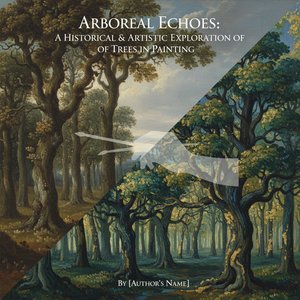
Arboreal Echoes: A Historical & Artistic Exploration of Trees in Painting
Explore the rich history of trees in painting! Discover symbolism, Romantic masterpieces by Caspar David Friedrich & beyond. A curated journey for art enthusiasts.

Georgia O'Keeffe: Redefining Modernism Through Symbolism & the American Landscape
Explore the captivating world of Georgia O'Keeffe! Discover her groundbreaking flower paintings, New Mexico landscapes & lasting impact on American Modernism. Expert analysis and insights.

Golden Hues & Crimson Leaves: Capturing the Magic of Autumn Colors in Fine Art
Embark on a visual journey through the golden hues of autumn fine art. Discover how masters like Van Gogh capture seasonal magic through vibrant oil landscapes and explore expert tips for collecting timeless autumnal masterpieces.


