미리보기
미리보기
 공유하기
공유하기 공유하기
공유하기
 상세 정보
상세 정보

 다운로드
다운로드
 유사 작품
유사 작품 X-레이
X-레이 슬라이드 쇼
 통계 정보
통계 정보Hurdy Gurdy Player with a Ribbon ABC


 더 보기
더 보기
지클레 / 아트 프린트
빠른 제작과 다양한 마감 옵션을 제공하는 박물관 품질의 지클레이 또는 캔버스 프린트. ( 손으로 그린 그림 구매 디지털 이미지로 전환)




P118B $10

P118H $10

P118W $10

P438Z $10

P508JH $12

P508YH $12

P805H $10

P805Z $10

P919BZ $10

P919G $10

P919XJ $10

P959ZH $10

P968JZ $12

W106C $8

W218G $10

W218JH $8

W218Y $10

W307PJ $10

W316G $10

W316PJ $8

W316Y $10

W398PJ $8

W4111J $10

W500HY $15

W500JH $15

W692G $12

W849H $8

W940BG $15

W953PJ $8




작품의 원본 비율을 유지하는 미리 설정된 크기 중에서 선택하세요.

특정 프레임이나 공간에 맞춰 직접 치수를 입력하실 수 있습니다. 선택하신 사이즈가 원본 이미지의 비율과 일치하지 않을 경우, 작품을 크롭(자르기)하거나 이미지를 대칭 또는 단색 채우기로 확장하여 제작합니다. 제작 시작 전, 최종 확인을 위해 디지털 목업이 전송됩니다.
화면상의 미리보기는 실제 크롭이나 확장 상태를 반영하지 않으므로, 최종 구도는 오직 목업을 통해서만 정확하게 확인하실 수 있습니다.
맞춤 사이즈 제작도 가능하지만, 원본 비율을 유지하기 위해서는 사전 정의된 목록에서 치수를 선택하시는 것을 권장합니다.


 유리 옵션은 110cm 미만 크기에서만 선택 가능합니다.

Hurdy Gurdy Player with a Ribbon ABC
지클레 / 아트 프린트
복제본 크기
-


최종 결제 금액
$ 80
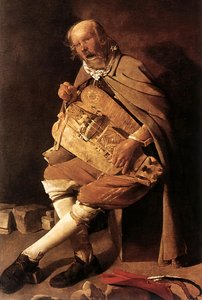
A Glimpse into Baroque Intimacy: Georges de la Tour’s “Hurdy Gurdy Player with a Ribbon ABC”
Georges de la Tour's "Hurdy Gurdy Player with a Ribbon ABC," though shrouded in the mysteries of its exact provenance and date, offers a profoundly intimate window into the world of 17th-century France. This captivating painting, depicting a solitary musician lost in his craft, is far more than a simple portrait; it’s a masterclass in atmospheric illusionism and a poignant exploration of human experience within the confines of shadow and light – hallmarks of de la Tour's distinctive style. The scene unfolds within what appears to be a dimly lit interior, perhaps a tavern or a private dwelling, dominated by an almost palpable darkness that seems to emanate from every corner. The hurdy-gurdy player himself, rendered with remarkable detail despite the prevailing gloom, is positioned centrally, his face turned towards the viewer in a gesture of quiet engagement. His beard and cloak suggest a figure of some age and experience, while the instrument – a complex mechanical violin – dominates his hands, its intricate workings hinting at both skill and perhaps a touch of melancholy. The presence of two figures in the background—one on the left, another on the right—adds a layer of narrative ambiguity; are they patrons, companions, or simply witnesses to this solitary performance?The Master of Chiaroscuro: De la Tour’s Artistic Language
Georges de la Tour was a singular figure in the French Baroque, deeply influenced by both Italian Renaissance masters like Caravaggio and the Northern European tradition of “vanitas” paintings. He wasn't interested in grand historical narratives or overtly religious displays; instead, he focused on capturing fleeting moments of human emotion and spiritual contemplation within humble settings. His signature technique – *chiaroscuro* – is exquisitely employed here. De la Tour doesn’t simply use light to illuminate a subject; he sculpts it, manipulating its intensity and direction to create an almost three-dimensional effect. The strong contrasts between the brightly lit player and the enveloping darkness draw our attention immediately, forcing us to confront the drama of the scene. Notice how the ribbon, draped across the player’s instrument, is bathed in a soft, ethereal glow – a subtle focal point that anchors the composition and invites closer inspection. This careful orchestration of light and shadow isn't merely decorative; it serves to heighten the emotional impact of the image, evoking feelings of solitude, introspection, and perhaps even a hint of sadness.Symbolism and the Allure of *Vanitas*
Beyond its technical brilliance, “Hurdy Gurdy Player with a Ribbon ABC” is rich in symbolic meaning. The hurdy-gurdy itself – an instrument associated with wandering musicians and often linked to themes of poverty and transience – can be interpreted as representing the fleeting nature of earthly pleasures and the inevitability of mortality. The ribbon, a simple yet elegant detail, might symbolize beauty, grace, or even the fragility of life. The darkened setting, reminiscent of many *vanitas* paintings, serves as a reminder of our own vulnerability in the face of death. De la Tour’s work frequently explores these themes of transience and spiritual reflection, prompting viewers to contemplate their own place within the larger scheme of existence. The inclusion of the two figures in the background further reinforces this sense of contemplation, suggesting that even in moments of apparent solitude, we are never truly alone—always surrounded by the echoes of past experiences and the possibilities of the future.A Rediscovered Master: De la Tour’s Legacy
For much of his life, Georges de la Tour remained largely obscure after his death in 1652. His work was dismissed as overly dark and melancholic, failing to resonate with the tastes of the time. However, in the early 20th century, German art historian Hermann Voss championed his genius, recognizing the profound originality of his artistic vision. Today, de la Tour is celebrated as one of the most important figures of the French Baroque, admired for his masterful use of *chiaroscuro*, his evocative depictions of everyday life, and his ability to capture the complexities of human emotion with remarkable subtlety. Reproductions of works like “Hurdy Gurdy Player with a Ribbon ABC” offer a unique opportunity to experience the power and beauty of de la Tour’s art firsthand, bringing this enigmatic master's vision into our homes and inspiring contemplation on themes of mortality, beauty, and the enduring allure of shadow and light. OriginalUniqueArt offers meticulously crafted hand-painted reproductions that faithfully capture the essence of this remarkable painting, allowing you to own a piece of art history.작가 약력
Georges de La Tour (1593-1652): 프랑스 바로크의 빛과 그림자 마스터
프랑스 바로크 예술가 지오르주 드 로르는 극적인 광선과 어둠을 활용하여 이 시대를 대표하는 예술가 중 한 명으로 기억된다. 루아레 동부의 작은 도시 비크 서유에 1593년생으로 태어나 그는 종교적 열정과 정치적 격변 속에서 삶을 보냈다. 그의 초기 교육은 정확히 알려지지 않았지만 이 환경은 그의 예술적 비전을 형성하는 데 중요한 역할을 했다. 로르는 예술가로 성장한 가문 출신이 아니었으며 그의 아버지는 제빵사였지만 어머니의 혈통은 프랑스 귀족 계열과 연관되어 있을 가능성을 시사하며 그의 작품에 나타나는 겸손함과 고결함은 바로크 시대의 특징이었다. 그는 1617년 디아네 레 너프와 결혼하여 루네빌에서 안정적인 가정 생활을 시작했으며 프랑스 왕실과 로랭 공작에게 봉사하면서 예술적 경력을 쌓았다. 이 양쪽의 후원은 그의 성장을 가능하게 했지만 가장 진정한 재능은 내면적인 공간과 종교적 사색 속에서 표현되었다.
카라바조와 네덜란드 카라바기스타의 영향 아래 빛과 그림자의 조화로운 통합
로르가 사용하는 광선은 카라바조의 극적인 사실주의를 반영하여 바로크 예술의 핵심 요소이다. 그는 이탈리아 카라바조의 혁명적 스타일을 네덜란드 카라바기스타의 영향을 받아 재해석했다 특히 유트레흐 학교의 Hendrick Terbrugghen과 같은 화가들의 영향은 로르의 작품에 독특한 힘과 절제감을 불어넣었다. 그는 카라바조의 광선 효과를 네덜란드 카라바기스타의 스타일로 필터링하여 빛과 어둠의 극적인 대비를 통해 인상 깊은 장면을 연출했다 그의 초기 작품들은 유트레흐 학교의 영향을 받아 활기찬 색채와 역동성을 보여주었지만 이후 그는 점점 내면적이고 미니멀한 스타일로 나아갔다 이 변화는 단순한 기술적인 발전이 아니라 신앙심 깊은 성찰과 인간 조건에 대한 탐구로 표현되었다.
성스러운 빛과 어둠의 심오한 의미를 담은 주요 작품들
로르의 작품에서 가장 중요한 것은 광선 효과이다 그는 광선을 단순히 조명 원으로 사용하지 않고 신성한 은총과 영적 깨달음의 상징으로 활용했다 그의 그림들은 종교적인 장소에 설정되어 있으며 빛이 비추는 한 장면은 깊은 감정 경험을 불러일으키고 관객에게 참여하도록 초대한다 그로테스크한 광선 효과는 카라바조의 극적인 사실주의를 반영하여 바로크 예술의 핵심 요소이다 그는 이탈리아 카라바조의 혁명적 스타일을 네덜란드 카라바기스타의 영향을 받아 재해석했다 특히 유트레흐 학교의 Hendrick Terbrugghen과 같은 화가들의 영향은 로르의 작품에 독특한 힘과 절제감을 불어넣었다 그는 카라바조의 광선 효과를 네덜란드 카라바기스타의 스타일로 필터링하여 빛과 어둠의 극적인 대비를 통해 인상 깊은 장면을 연출했다 그의 주요 작품들은 성모 마리아와 같은 전통 주제를 신성한 은총과 인간 조건에 대한 탐구로 표현했다 그는 이탈리아 카라바조의 혁명적 스타일을 네덜란드 카라바기스타의 영향을 받아 재해석했다 특히 유트레흐 학교의 Hendrick Terbrugghen과 같은 화가들의 영향은 로르의 작품에 독특한 힘과 절제감을 불어넣었다 그는 성모 마리아와 같은 전통 주제를 신성한 은총과 인간 조건에 대한 탐구로 표현했다 그의 작품은 종교적인 사건을 단순히 묘사하는 것이 아니라 믿음과 의심 그리고 인간 존재에 대한 성찰이다.
빛과 그림자의 조화로운 통합: 로르의 예술적 스타일과 주요 특징
로르는 카라바조의 극적인 사실주의를 반영하여 네덜란드 카라바기스타의 영향을 받아 빛과 어둠을 활용하는 데 독특한 재능을 보였다 그는 카라바조의 광선 효과를 네덜란드 카라바기스타의 스타일로 필터링하여 빛과 어둠의 극적인 대비를 통해 인상 깊은 장면을 연출했다 그의 작품은 카라바조의 혁명적 스타일을 네덜란드 카라바기스타의 영향을 받아 재해석했다 특히 유트레흐 학교의 Hendrick Terbrugghen과 같은 화가들의 영향은 로르의 작품에 독특한 힘과 절제감을 불어넣었다 그는 카라바조의 광선 효과를 네덜란드 카라바기스타의 스타일로 필터링하여 빛과 어둠의 극적인 대비를 통해 인상 깊은 장면을 연출했다 그의 작품은 카라바조의 혁명적 스타일을 네덜란드 카라바기스타의 영향을 받아 재해석했다 그는 카라바조의 광선 효과를 네덜란드 카라바기스타의 스타일로 필터링하여 빛과 어둠의 극적인 대비를 통해 인상 깊은 장면을 연출했다 그의 작품은 카라바조의 혁명적 스타일을 네덜란드 카라바기스타의 영향을 받아 재해석했다 그는 카라바조의 광선 효과를 네덜란드 카라바기스타의 스타일로 필터링하여 빛과 어둠의 극적인 대비를 통해 인상 깊은 장면을 연출했다 그의 작품은 카라바조의 혁명적 스타일을 네덜란드 카라바기스타의 영향을 받아 재해석했다 그는 카라바조의 광선 효과를 네덜란드 카라바기스타의 스타일로 필터링하여 빛과 어둠의 극적인 대비를 통해 인상 깊은 장면을 연출했다 그의 작품은 카라바조의 혁명적 스타일을 네덜란드 카라바기스타의 영향을 받아 재해석했다 그는 카라바조의 광선 효과를 네덜란드 카라바기스타의 스타일로 필터링하여 빛과 어둠의 극적인 대비를 통해 인상 깊은 장면을 연출했다 그의 작품은 카라바조의 혁명적 스타일을 네덜란드 카라바기스타의 영향을 받아 재해석했다 그는 카라바조의 광선 효과를 네덜란드 카라바기스타의 스타일로 필터링하여 빛과 어둠의 극적인 대비를 통해 인상 깊은 장면을 연출했다 그의 작품은 카라바조의 혁명적 스타일을 네덜란드 카라바기스타의 영향을 받아 재해석했다 그는 카라바조의 광선 효과를 네덜란드 카라바기스타의 스타일로 필터링하여 빛과 어둠의 극적인 대비를 통해 인상 깊은 장면을 연출했다 그의 작품은 카라바조의 혁명적 스타일을 네덜란드 카라바기스타의 영향을 받아 재해석했다 그는 카라바조의 광선 효과를 네덜란드 카라바기스타의 스타일로 필터링하여 빛과 어둠의 극적인 대비를 통해 인상 깊은 장면을 연출했다 그의 작품은 카라바조의 혁명적 스타일을 네덜란드 카라바기스타의 영향을 받아 재해석했다 그는 카라바조의 광선 효과를 네덜란드 카라바기스타의 스타일로 필터링하여 빛과 어둠의 극적인 대비를 통해 인상 깊은 장면을 연출했다 그의 작품은 카라바조의 혁명적 스타일을 네덜란드 카라바기스타의 영향을 받아 재해석했다 그는 카라바조의 광선 효과를 네덜란드 카라바기스타의 스타일로 필터링하여 빛과 어둠의 극적인 대비를 통해 인상 깊은 장면을 연출했다 그의 작품은 카라바조의 혁명적 스타일을 네덜란드 카라바기스타의 영향을 받아 재해석했다 그는 카라바조의 광선 효과를 네덜란드 카라바기스타의 스타일로 필터링하여 빛과 어둠의 극적인 대비를 통해 인상 깊은 장면을 연출했다 그의 작품은 카라바조의 혁명적 스타일을 네덜란드 카라바기스타의 영향을 받아 재해석했다 그는 카라바조의 광선 효과를 네덜란드 카라바기스타의 스타일로 필터링하여 빛과 어둠의 극적인 대비를 통해 인상 깊은 장면을 연출했다 그의 작품은 카라바조의 혁명적 스타일을 네덜란드 카라바기스타의 영향을 받아 재해석했다 그는 카라바조의 광선 효과를 네덜란드 카라바기스타의 스타일로 필터링하여 빛과 어둠의 극적인 대비를 통해 인상 깊은 장면을 연출했다 그의 작품은 카라바조의

장 드 라 투르
1593 - 1652 , 프랑스
주요 정보
- Artistic Movement Or Style: 카라바조즘과 프랑스 바로크 스타일
- Artists Or Movements Influenced By This Artist: ['프랑스 고전주의']
- Artists Who Influenced This Artist:
- 카라바조
- 헨리크 테브루흐겐
- Date Of Birth: 1593년 3월 13일
- Date Of Death: 미상
- Full Name: Georges de La Tour
- Nationality: 프랑스인
- Notable Artworks:
- 운명의 예언가
- 성 요셉 목수
- 성 베드로 눈물
- 성 이사벨
- Place Of Birth: 프랑스 비크-슈르-세유에 위치한 작은 도시
관련 기사 더 보기
Georges de La Tour: Luminosity, Spirituality & Realism in Baroque Painting
Discover the captivating world of Georges de La Tour, a Baroque master renowned for his dramatic chiaroscuro & spiritual realism. Explore key works, influences, and his remarkable rediscovery. Learn more at OriginalUniqueArt.

조르주 쇠라 대표작 25선: 빛과 색의 혁신, 당신의 공간에 예술을 더하세요
조르주 쇠라의 대표작 25선을 만나보세요. 점묘법의 혁신과 빛, 색채의 아름다움이 담긴 명작들을 감상하고, 인테리어에 예술적인 영감을 더하세요. OriginalUniqueArt.com에서 고품질 미술 작품을 컬렉션해보세요.

고야의 걸작 25선: 스페인의 영혼을 담은 명화 컬렉션 | OriginalUniqueArt
고야의 걸작 25선을 만나보세요. 스페인 화가 Francisco Goya의 낭만주의 회화, 어두운 색조와 강렬한 감성이 담긴 명화를 OriginalUniqueArt에서 감상하세요. 고품질 유화 복제본으로 예술 작품을 소장하고 홈 데코를 완성해보세요! 지금 바로 컬렉션을 탐험하세요.

Maurice Quentin de La Tour: Light, Shadow & the Rococo Portrait
Explore the captivating world of Maurice Quentin de La Tour, a master of Rococo portraiture. Discover his innovative pastel techniques, intimate depictions of French aristocracy, and lasting artistic legacy. Learn more at OriginalUniqueArt.

조르주 브라크의 걸작 25선: 예술과 공간을 초월하는 시선 | OriginalUniqueArt
조르주 브라크의 시대를 초월한 25개의 걸작을 만나보세요. 입체주의를 개척한 프랑스 화가의 예술 세계와 숨겨진 이야기를 OriginalUniqueArt에서 감상하고, 명작 유화 복제본으로 공간에 특별함을 더하세요. 지금 바로 컬렉션을 탐험하세요!