
 실제 크기로 보기
 보내기
보내기 공유하기
공유하기
 상세 보기
상세 보기 가이드 보기

 이미지 다운로드
 유사 작품 더 보기
 X-레이
X-레이 슬라이드 쇼 보기
 통계 정보
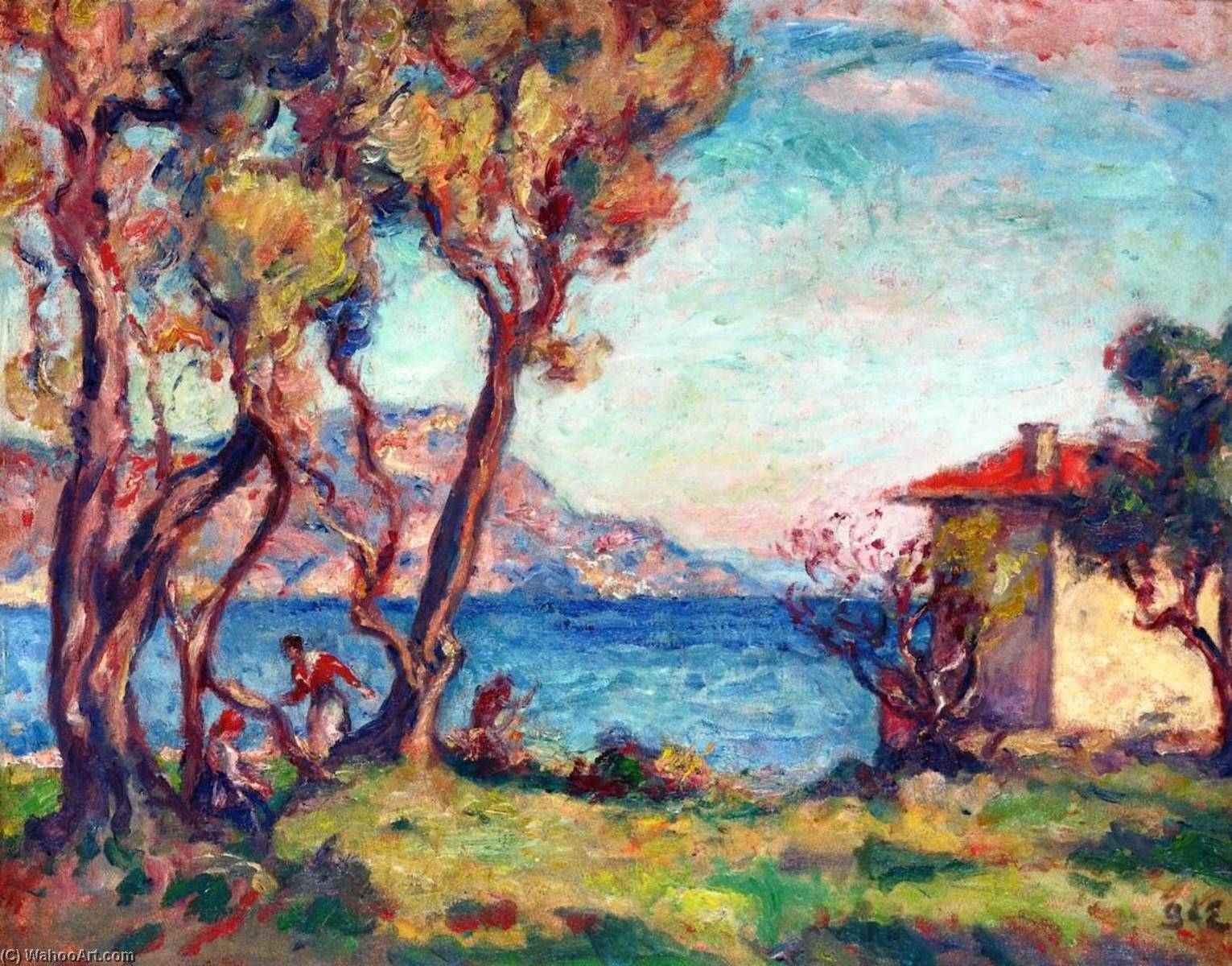
통계 정보Maisonette by the Sea
 1900
1900 66.0 x 82.0 cm
 상세 보기
상세 보기
핸드메이드 유화 복제화
작가가 직접 캔버스에 손으로 그린 유화 작품으로, 원하는 크기와 액자로 맞춤 제작해 드립니다. ( 프린트 판매로 전환 디지털 이미지 판매 채널로 전환)




































작품의 원본 비율을 그대로 유지하는 프리셋 사이즈 중에서 선택해 보세요.

특정 프레임이나 공간에 맞춰 원하는 크기를 직접 입력하실 수 있습니다. 선택하신 크기가 원본 이미지의 비율과 일치하지 않을 경우, 작품을 자르거나 추가적인 수작업 요소를 더해 그림을 확장하여 제작합니다. 제작 시작 전, 최종 확인을 위해 디지털 목업을 보내드립니다.
화면상의 미리 보기는 실제 크롭(자르기)이나 확장된 상태를 완벽히 반영하지 않을 수 있습니다. 최종 구도는 오직 목업을 통해서만 정확하게 확인하실 수 있습니다.
맞춤 크기 제작도 가능하지만, 원본의 비율을 그대로 유지하기 위해서는 미리 정의된 목록에서 크기를 선택하시는 것을 권장합니다.
주문 완료 후 OriginalUniqueArt.com 팀에서 상세 안내를 위해 고객님께 이메일을 보내드리며, 미리보기 시안을 함께 제공해 드립니다.


 유리 옵션은 110cm 미만 크기에서만 선택 가능합니다.

Maisonette by the Sea
재현 매체
복제본 규격
-


총 결제 금액
$ 300
Composition and Elements
The painting captures the essence of a peaceful day by the sea with people enjoying their time in this picturesque setting. In addition to the people, there is a boat visible on the water, adding to the overall atmosphere of the scene. The use of bold colors and fluid brushstrokes gives the painting a sense of movement and energy. As seen in other works by Georges Despagnat, such as those found at https://OriginalUniqueArt.com, this piece showcases the artist's ability to capture the beauty of nature.Similar Works and Artists
Other artists, like Henri Matisse and Pierre-Auguste Renoir, also explored the Impressionist style in their works. For example, Henri Matisse's Le Lièvre Huile sur Toile Collection Particulière can be found on https://OriginalUniqueArt.com, showcasing the artist's unique style. The Museum Victoria Art Gallery in Bath, United Kingdom, also features an impressive collection of Impressionist paintings.- Impressionism is a style characterized by its use of light and color to capture the fleeting moments of modern life.
- The painting Maisonette by the Sea is a prime example of this style, with its emphasis on capturing the beauty of nature.
- Other artists, like Paul Cezanne and John Henry Twachtman, also explored the Impressionist style in their works, which can be found on https://OriginalUniqueArt.com.
The beauty of Maisonette by the Sea lies in its ability to transport viewers to a peaceful and serene world, making it a must-see for art enthusiasts.
작가 소개
A Legacy of Light: The Life and Art of Georges D’Espagnat
In the vibrant tapestry of late 19th and early 20th-century French art, few figures embody the transition from tradition to modernity as gracefully as Georges D’Espagnat. Born in Melun in 1870, D’Espagnat was destined for a life steeped in the aesthetics of beauty. His father’s establishment of the legendary Durand-Ruel Gallery provided him with an unparalleled window into the evolution of modernism, placing him at the very heart of the Parisian art world. This early exposure allowed him to witness the shifting tides of art history firsthand, fostering a unique perspective that would later allow him to bridge the gap between the rugged realism of the Barbizon School and the luminous, fleeting sensations of Impressionism.
D’Espiente's artistic journey was one of profound synthesis. While his formative years were shaped by the heavy, honest depictions of rural life championed by masters like Gustave Courbet and Jean-François Millet, his heart gravitated toward a more lyrical and atmospheric expression. He moved to Paris in 1888, where he began an autonomous training process, occasionally guided by painters such as Gustave-Claude-Etienne Courtois. His style eventually blossomed into a sophisticated Post-Impressionist language, heavily indebted to the soft, dappled light of Pierre-Auguste Renoir and the delicate textures of Alfred Sisley. This stylistic duality—the structural integrity of realism paired with the emotive power of color—became the hallmark of his oeuvre.
Mastery of Subject and Spirit
The breadth of D’Espagnat’s subject matter reflects a deep, abiding reverence for both the human form and the natural world. His landscapes are not merely topographical records but emotional evocations of the French countryside. In works such as his 1900 masterpiece "Landscape," one can observe how loose, dancing brushstrokes create an illusion of movement, capturing the very essence of a passing breeze or the shifting sunlight. His ability to convey tranquility through vibrant hues and textured applications allows the viewer to step directly into a serene, natural moment.
Beyond the horizon of nature, D’Espagnat explored the intimacy of the human experience through his nudes and domestic scenes. His depictions of the human form are celebrated for their anatomical precision, yet they are never clinical; instead, they possess a graceful, poetic quality achieved through subtle shading and soft light. This tenderness extends to his genre paintings, such as "Femmes et enfants dans la terrace du moulin de Beaulieu à Villennes sur Seine," where he captures the quiet magic of family life within lush, verdant gardens. Whether painting a still life like the vibrant "Red Flowers and Fruit" or a tender maternal moment in "Woman and Child," his work remains anchored by a palpable sense of atmosphere and emotion.
Historical Significance and Lasting Influence
D’Espagnat was far more than a painter; he was a vital participant in the cultural fabric of his era. His career saw him exhibiting in the prestigious Salon des Refusés and later contributing to the very foundation of the Salon d’Automne, where he eventually served as vice-president. His intellectual reach extended into literature and scenography, as he illustrated works by renowned authors such as Alphonse Daudet and Rémy de Gourmont, proving that his artistic vision was deeply intertwined with the broader literary movements of France.
Today, the historical importance of Georges D’Espagnat is cemented by the presence of his works in the world's most esteemed institutions. His legacy lives on through collections such as:
- The Musée d’Orsay in Paris, which preserves his contributions to the French Impressionist tradition.
- The Metropolitan Museum of Art in New York, showcasing his international reach.
- The Art Institute of Chicago, where his mastery of light and form continues to inspire.
- The Museo Thyssen-Bornemisza, highlighting his place among the significant exponents of Post-Impressionism.
As we look back on a life that spanned from the height of the Barbizon influence to the dawn of modern abstraction, D’Espagnat remains a luminous figure. He taught us that art could honor the weight of tradition while embracing the ephemeral beauty of the present moment, leaving behind a body of work that continues to breathe with light and life.
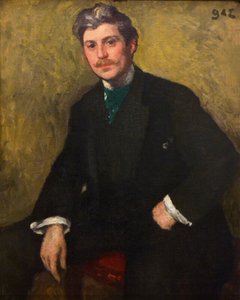
georges d'espagnat
1870 - 1950 , France
작가 정보 요약
- Artistic Movement Or Style: Post-Impressionism
- Artists Or Movements Influenced By This Artist: ['Impressionists']
- Artists Who Influenced This Artist:
- Paul Cézanne
- Vincent van Gogh
- Date Of Birth: 1870
- Date Of Death: 1950
- Full Name: Georges D’Espagnat
- Nationality: French
- Notable Artworks:
- Nude
- Landscape
- Red Flowers and Fruit
- Place Of Birth: Melun, France