

 미리보기
미리보기
 공유하기
공유하기 공유하기
공유하기
 상세 정보
상세 정보

 다운로드
다운로드
 유사 작품
유사 작품 X-레이
X-레이 슬라이드 쇼
Portuguese
 Oil On Canvas
- WallArt
- Cubist Exploration
 1911
1911- Modern
 116.0 x 81.0 cm
 더 보기
더 보기
온라인 미리보기보다 훨씬 뛰어난 품질의 고해상도 디지털 이미지를 구매해 보세요.
각 파일은 사내 전문가가 고급 도구와 숙련된 수동 리터칭 기술을 사용하여 세심하게 준비합니다. 우리는 모든 이미지가 탁월한 선명도, 정확한 색상 재현력, 그리고 미세한 디테일까지 완벽하게 갖추도록 보장합니다.
최종 파일은 전문적인 편집 및 인쇄 환경에서 즉시 사용할 수 있도록 최적화되어 72시간 이내에 이메일로 발송됩니다. 이는 세계적인 디자인 스튜디오, 출판사 및 갤러리가 신뢰하는 것과 동일한 품질입니다.
디지털 이미지
개인 소장 및 전시, 인쇄, 창작 프로젝트를 위한 고해상도 파일을 다운로드하세요. ( 프린트 구매 손으로 그린 그림 구매)
모든 디지털 이미지 주문에 포함된 혜택
전문적인 디지털 이미지 전송 보장
OriginalUniqueArt.com를 선택하시면 단순히 이미지를 받는 것을 넘어, 정밀한 보정 과정을 거친 전문적인 디지털 예술 작품을 만나보실 수 있습니다. 모든 작품에는 만족 보장 서비스가 함께 제공되며, 주문 시 다음과 같은 사항들이 자동으로 포함됩니다:

빠른 이메일 전송
주문 후 72시간 이내에 고해상도 디지털 이미지 파일이 이메일로 발송되며, 즉시 사용하실 수 있습니다.

AI 기술로 향상된 디지털 파일
귀하의 작품은 고급 AI 도구와 수동 편집 과정을 거쳐 전문적으로 최적화되며, 이를 통해 디테일과 선명도, 색상의 정확도를 극대화합니다.

평생 무료 재전송 서비스
파일을 실수로 삭제하거나 분실하셨나요? 걱정 마세요. 언제든 무료로 다시 보내드립니다.

추가 수입 비용 없음 - 언제나
관세나 부가세, 배송비 부담 없이 작품을 즉시 감상하세요 - 디지털 다운로드는 언제나 면세 혜택이 적용됩니다.

정확한 색상 보장
전문적인 도구와 색상 관리 시스템을 통해 디지털 이미지가 원본의 색상을 최대한 정확하게 구현하도록 보장합니다.

60일 만족 보장제
구매하신 디지털 이미지에 만족하지 못하실 경우, 60일 이내에 수정 또는 100% 환불을 진행해 드립니다 - 어떠한 문의도 필요 없습니다.

100% 환불 보장
만족하지 못하셨나요? 디지털 파일을 수령하신 후 60일 이내라면 별도의 이유를 밝힐 필요 없이 전액 환불해 드립니다.

대량 주문 할인
이미지 3매 구매 시 10% 할인 - 5매 구매 시 15% 할인 - 10매 이상 구매 시 20% 할인. 크리에이티브 프로젝트, 갤러리, 에이전시에 매우 유용합니다.
A Symphony of Fragments: Reimagining Braque’s Portuguese
In the quiet, fractured landscape of 1911, Georges Braque achieved something far more profound than a mere depiction of a musician; he captured the very vibration of sound through the lens of Analytical Cubism. His masterpiece, Portuguese, serves as an evocative window into a world where the boundaries between object and atmosphere dissolve. At first glance, the viewer is drawn to the central figure—a man cradling a guitar, lost in a moment of rhythmic introspection. Yet, as one lingers, the painting reveals itself not as a static portrait, but as a complex dance of geometric planes and overlapping facets. The subject, often identified as the Portuguese guitarist José Maria Rodriguez, is not presented with traditional clarity, but is instead woven into the very fabric of the composition, making the music feel as though it is part of the air itself.
The brilliance of Braque’s technique lies in his rejection of the single-point perspective that had dominated Western art since the Renaissance. Instead, he employs a revolutionary method of deconstruction, breaking down the guitarist and his surroundings into a rhythmic arrangement of ochre, brown, and muted gray tones. This monochromatic palette is far from limiting; rather, it directs the eye toward the texture and structure of the scene. One can almost feel the tactile grain of the guitar's wood and the heavy, somber weight of the atmosphere. The inclusion of subtle elements, such as the presence of an umbrella, hints at a rainy, solitary day in Paris, adding a layer of melancholic beauty that resonates deeply with anyone who has found solace in solitude.
The Intellectual Pulse of Modernity
To possess or display a reproduction of Portuguese is to invite a conversation about the birth of modern perception into one's space. Created during the height of the collaborative revolution between Braque and Pablo Picasso, this work embodies the intellectual tension of an era caught between tradition and radical innovation. The painting does not merely show us a man playing music; it challenges us to reconstruct the image within our own minds, making the viewer an active participant in the creative process. This engagement makes the piece an extraordinary choice for interior designers seeking to add intellectual depth and a sense of historical gravity to a room.
For the discerning collector, the emotional impact of Braque’s work lies in its ability to evoke resonance without relying on overt drama. There is a profound stillness within the fragmentation—a quietude that speaks to the complexity of human experience. The way the light seems to catch on certain edges while others recede into shadow creates a dynamic energy that breathes life into any gallery or private study. Whether viewed as a historical milestone of the Cubist movement or as a sophisticated piece of abstract decor, Portuguese remains an enduring testament to the power of seeing beyond the surface to find the underlying harmony of our world.
작가 소개
Georges Braque (1882-1963): Cubism Pioneer & Fauvism Master
Georges Braque, geboren in Argenteuil, Frankreich, im Jahr 1882, begann eine Reise tief verwurzelt im sich entwickelnden Landschaftsbild der modernen Kunst. Seine Kindheit innerhalb einer Familie von Hausmalern und Dekorateuren vermittelte ihm nicht nur technische Meisterschaft über Materialien sondern auch eine frühe Wertschätzung für Form und Struktur. Obwohl er zunächst seinem Vater folgte dessen Beruf, führten seine natürlichen künstlerischen Neigungen ihn bald zu einer akademischen Ausbildung am École des Beaux-Arts in Le Havre ein und markierten damit den Beginn seiner Suche nach einem der bedeutendsten Maler des 20. Jahrhunderts.
Er zog 1902 nach Paris um und setzte sein Studium an der Académie Humbert fort indem er sich in der lebhaften künstlerischen Umgebung der Stadt umsuchte. Hier traf er Künstler wie Marie Laurencin und Francis Picabia und gründete Verbindungen, die seine frühe Entwicklung prägten. Seine ersten Arbeiten reflektierten die vorherrschenden Einflüsse von Impressionismus und Post-Impressionismus jedoch entzündete ein neues künstlerisches Ziel sein Begegnung mit der kraftvollen Farbe und Ausdruckskraft des Fauvismus im Jahr 1905.
Die Umarmung des Fauvismus und der Beginn Kubismus
Braques Übernahme von Fauvist Prinzipien – gekennzeichnet durch intensive, nicht natürliche Farbe und emotionale Darstellung – wird eindrucksvoll in Gemälden wie Die Geduld gezeigt. Diese Periode sah ihn bei Künstlern wie Henri Matisse und André Derain arbeiten indem er mit lebhaften Farbpaletten und vereinfachten Formen experimentierte. Braques Engagement mit Fauvismus war jedoch nicht nur imitativ sondern er infundierte es mit einer einzigartigen Sensibilität indem er die ungezügelte Ekstase der Bewegung mit einem ruhigeren analytischen Ansatz temperierte.
Ein Wendepunkt erreichte ihn 1907 durch seine Ausstellung zur Retrospektive Cézannes Arbeit. Cézannes Betonung geometrischer Formen und mehrfacher Perspektiven beeinflusste Braque tiefgreifend und stellte damit die Bühne für seine bahnbrechende Zusammenarbeit mit Pablo Picasso.
Gemeinsam entwickelten diese beiden künstlerischen Titanen eine Periode intensiver intellektueller Begegnung, die zur Geburt Kubismus führte – einer revolutionären Bewegung, die traditionelle Vorstellungen von Darstellung zerstörte und zwei Künstler zusammenarbeiteten um ein neues künstlerisches Ziel zu erreichen.
Er arbeitete mit Picasso zusammen und entwickelten Analytical Cubism indem sie Objekte in fragmentierte geometrische Formen zerteilten und mehrere Perspektiven gleichzeitig präsentierten. Werke wie Haus am Estaque zeigen diese frühe Phase und demonstrieren damit einen radikalen Bruch mit konventioneller Perspektive und Fokus auf die zugrunde liegende Struktur von Formen.
Seine Palette wurde bewusst gedämpft um Form über Farbe zu betonen und suchte nach einer Gesamtrepräsentation eines Objekts statt nur dessen Erscheinung. Diese frühe Entwicklung stellte einen wichtigen Wendepunkt dar indem er traditionelle Vorstellungen von Darstellung zerstörte und zwei Künstler zusammenarbeiteten um ein neues künstlerisches Ziel zu erreichen.
Die Begegnung mit Cézanne hatte tiefgreifende Auswirkungen auf Braque und setzte damit die Bühne für seine bahnbrechende Zusammenarbeit mit Pablo Picasso.
Innovation Durch Fragmentierung Und Collage
Die Zusammenarbeit zwischen Braque und Picasso setzte Grenzen der künstlerischen Ausdruckskraft fort indem sie Elemente klassischer Komposition und ein erneutes Interesse an Landschaftsbildern integrierten. Während er die geometrischen Einflüsse bewahrte, die seine frühe Arbeit definiert hatten entwickelte er einen nuancierteren kontemplativer Ansatz zum Malen.
Die Zusammenarbeit zwischen Braque und Picasso setzte Grenzen der künstlerischen Ausdruckskraft fort indem sie Elemente klassischer Komposition und ein erneutes Interesse an Landschaftsbildern integrierten. Während er die geometrischen Einflüsse bewahrte, die seine frühe Arbeit definiert hatten entwickelte er einen nuancierteren kontemplativer Ansatz zum Malen.
Die Zusammenarbeit zwischen Braque und Picasso setzte Grenzen der künstlerischen Ausdruckskraft fort indem sie Elemente klassischer Komposition und ein erneutes Interesse an Landschaftsbildern integrierten. Während er die geometrischen Einflüsse bewahrte, die seine frühe Arbeit definiert hatten entwickelte er einen nuancierteren kontemplativer Ansatz zum Malen.
Die Zusammenarbeit zwischen Braque und Picasso setzte Grenzen der künstlerischen Ausdruckskraft fort indem sie Elemente klassischer Komposition und ein erneutes Interesse an Landschaftsbildern integrierten. Während er die geometrischen Einflüsse bewahrte, die seine frühe Arbeit definiert hatten entwickelte er einen nuancierteren kontemplativer Ansatz zum Malen.
Die Zusammenarbeit zwischen Braque und Picasso setzte Grenzen der künstlerischen Ausdruckskraft fort indem sie Elemente klassischer Komposition und ein erneutes Interesse an Landschaftsbildern integrierten. Während er die geometrischen Einflüsse bewahrte, die seine frühe Arbeit definiert hatten entwickelte er einen nuancierteren kontemplativer Ansatz zum Malen.
Die Zusammenarbeit zwischen Braque und Picasso setzte Grenzen der künstlerischen Ausdruckskraft fort indem sie Elemente klassischer Komposition und ein erneutes Interesse an Landschaftsbildern integrierten. Während er die geometrischen Einflüsse bewahrte, die seine frühe Arbeit definiert hatten entwickelte er einen nuancierteren kontemplativer Ansatz zum Malen.
Die Zusammenarbeit zwischen Braque und Picasso setzte Grenzen der künstlerischen Ausdruckskraft fort indem sie Elemente klassischer Komposition und ein erneutes Interesse an Landschaftsbildern integrierten. Während er die geometrischen Einflüsse bewahrte, die seine frühe Arbeit definiert hatten entwickelte er einen nuancierteren kontemplativer Ansatz zum Malen.
Die Zusammenarbeit zwischen Braque und Picasso setzte Grenzen der künstlerischen Ausdruckskraft fort indem sie Elemente klassischer Komposition und ein erneutes Interesse an Landschaftsbildern integrierten. Während er die geometrischen Einflüsse bewahrte, die seine frühe Arbeit definiert hatten entwickelte er einen nuancierteren kontemplativer Ansatz zum Malen.
Die Zusammenarbeit zwischen Braque und Picasso setzte Grenzen der künstlerischen Ausdruckskraft fort indem sie Elemente klassischer Komposition und ein erneutes Interesse an Landschaftsbildern integrierten. Während er die geometrischen Einflüsse bewahrte, die seine frühe Arbeit definiert hatten entwickelte er einen nuancierteren kontemplativer Ansatz zum Malen.
Die Zusammenarbeit zwischen Braque und Picasso setzte Grenzen der künstlerischen Ausdruckskraft fort indem sie Elemente klassischer Komposition und ein erneutes Interesse an Landschaftsbildern integrierten. Während er die geometrischen Einflüsse bewahrte, die seine frühe Arbeit definiert hatten entwickelte er einen nuancierteren kontemplativer Ansatz zum Malen.
Die Zusammenarbeit zwischen Braque und Picasso setzte Grenzen der künstlerischen Ausdruckskraft fort indem sie Elemente klassischer Komposition und ein erneutes Interesse an Landschaftsbildern integrierten. Während er die geometrischen Einflüsse bewahrte, die seine frühe Arbeit definiert hatten entwickelte er einen nuancierteren kontemplativer Ansatz zum Malen.
Die Zusammenarbeit zwischen Braque und Picasso setzte Grenzen der künstlerischen Ausdruckskraft fort indem sie Elemente klassischer Komposition und ein erneutes Interesse an Landschaftsbildern integrierten. Während er die geometrischen Einflüsse bewahrte, die seine frühe Arbeit definiert hatten entwickelte er einen nuancierteren kontemplativer Ansatz zum Malen.
Die Zusammenarbeit zwischen Braque und Picasso setzte Grenzen der künstlerischen Ausdruckskraft fort indem sie Elemente klassischer Komposition und ein erneutes Interesse an Landschaftsbildern integrierten. Während er die geometrischen Einflüsse bewahrte, die seine frühe Arbeit definiert hatten entwickelte er einen nuancierteren kontemplativer Ansatz zum Malen.
Die Zusammenarbeit zwischen Braque und Picasso setzte Grenzen der künstlerischen Ausdruckskraft fort indem sie Elemente klassischer Komposition und ein erneutes Interesse an Landschaftsbildern integrierten. Während er die geometrischen Einflüsse bewahrte, die seine frühe Arbeit definiert hatten entwickelte er einen nuancierteren kontemplativer Ansatz zum Malen.
Die Zusammenarbeit zwischen Braque und Picasso setzte Grenzen der künstlerischen Ausdruckskraft fort indem sie Elemente klassischer Komposition und ein erneutes Interesse an Landschaftsbildern integrierten. Während er die geometrischen Einflüsse bewahrte, die seine frühe Arbeit definiert hatten entwickelte er einen nuancierteren kontemplativer Ansatz zum Malen.
Die Zusammenarbeit zwischen Braque und Picasso setzte Grenzen der künstlerischen Ausdruckskraft fort indem sie Elemente klassischer Komposition und ein erneutes Interesse an Landschaftsbildern integrierten. Während er die geometrischen Einflüsse bewahrte, die seine frühe Arbeit definiert hatten entwickelte er einen nuancierteren kontemplativer Ansatz zum Malen.
Die Zusammenarbeit zwischen Braque und Picasso setzte Grenzen der künstlerischen Ausdruckskraft fort
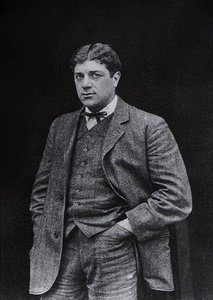
브라크
1882 - 1963 , 프랑스
주요 정보
- Artistic Movement Or Style: 큐비즘과 푸비즘
- Artists Who Influenced This Artist:
- 앙드레 드랭
- 파블로 피카소
- Date Of Birth: 1882년 5월 13일
- Date Of Death: 1963년 8월 31일 파리 프랑스
- Full Name: Georges Braque
- Nationality: 프랑스 국적
- Notable Artworks:
- 하우스 어트 라 스테크
- 패시언스
- 바이올린과 팔레트
- Place Of Birth: 아르젠트외 프랑스

