프린트 판매로 전환
 상세 보기
상세 보기







































 가로 또는 세로 중 어느 한 면이라도 105cm(약 41인치)를 초과하는 작품이나 복제화의 경우, 프레임은 분해된 키트 형태로 배송됩니다. 이는 안전한 배송을 보장하고 운송 중 발생할 수 있는 손상을 방지하기 위함입니다.


George Bellows’ “The Sawdust Trail”: A Window into Early 20th Century Urban Life
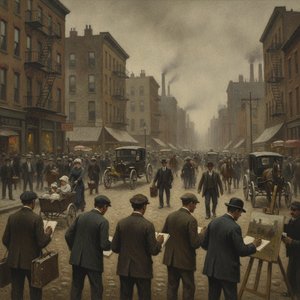
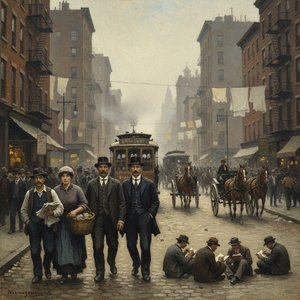
- Subject Matter: "The Sawdust Trail," painted in 1916 by George Wesley Bellows, is a vibrant snapshot of urban life – a bustling gathering within a crowded room. The scene isn't a grand historical event but rather the everyday drama of human interaction, captured with remarkable immediacy and energy. It’s a tableau of ordinary people engaged in an activity, likely a performance or speech, radiating a palpable sense of community and shared experience.
- Style & Technique: Bellows was a key figure in the Ashcan School movement, known for its unflinching realism and focus on depicting the gritty realities of American city life. “The Sawdust Trail” exemplifies this style through bold brushstrokes, a dynamic composition, and a deliberate lack of idealized representation. The artist’s technique is characterized by thick impasto – layers of paint applied with considerable force – creating a textured surface that seems to vibrate with movement. Vivid colors are employed not for decorative effect but to heighten the sense of realism and energy within the scene.
A Masterpiece of Urban Realism: Context and Influence
- The Ashcan School: Bellows, along with artists like John French Sloan and Everett Shinn, formed the core of the Ashcan School. This group rejected the academic traditions of art at the time, choosing instead to paint scenes from everyday life in New York City – often focusing on working-class neighborhoods and marginalized communities. Their work was revolutionary for its honest portrayal of urban poverty and social conditions.
- Historical Context: “The Sawdust Trail” was created during a period of rapid industrialization and urbanization in America. The painting reflects the anxieties and aspirations of this era, capturing the energy and dynamism of a city undergoing profound transformation. It’s a testament to Bellows' ability to translate these complex social forces into a compelling visual narrative.
Decoding the Composition: Symbolism and Narrative
- The Central Figure: The woman standing on the stage is undoubtedly the focal point of the painting. Her posture, engaged audience, and implied speech or performance suggest themes of leadership, communication, and public engagement – relevant concerns in a rapidly modernizing society.
- Movement and Energy: Bellows masterfully captures movement through his use of overlapping figures, diagonal lines, and directional brushstrokes. The entire composition feels like a captured moment of intense activity, inviting the viewer to step into the scene and experience the energy firsthand. The "sawdust" in the title likely refers to the stage or performance space itself, further grounding the image in this specific environment.
Owning a Piece of American Art History
Handmade Oil Painting Reproductions Available: OriginalUniqueArt.com offers meticulously crafted, hand-painted reproductions of George Wesley Bellows’ “The Sawdust Trail.” These reproductions are created using traditional oil painting techniques and archival materials, ensuring that they faithfully capture the original artwork's vibrancy and detail. Each reproduction is a unique work of art in its own right, allowing you to bring this iconic piece of American art into your home or office. A stunning addition to any collection, “The Sawdust Trail” offers a powerful connection to Bellows’ vision and the spirit of early 20th-century America.질의응답
조지 웨슬리 벨로스의 "The Sawdust Trail"은(는) 어떤 공간에 추천하시나요?
"The Sawdust Trail"의 복제본은 Living Room에 잘 어울립니다.
"The Sawdust Trail"에 대한 가이드는 어디에서 확인할 수 있나요?
조지 웨슬리 벨로스의 "The Sawdust Trail"에 대한 가이드 페이지를 이용하실 수 있습니다. 이 페이지는 학생들과 수업용으로 제작된, 인쇄 가능한 작품 정보 시트를 제공합니다.
조지 웨슬리 벨로스의 "The Sawdust Trail"은(는) 몇 년도에 제작되었나요?
조지 웨슬리 벨로스의 "The Sawdust Trail"의 제작 연도는 1916년입니다.
More about this painting
 실제 크기로 보기
 보내기
보내기 공유하기
공유하기
 상세 보기
상세 보기 가이드 보기

 이미지 다운로드
 유사 작품 더 보기
 X-레이
X-레이 슬라이드 쇼 보기
 Q&A
Q&A 통계 정보
통계 정보