
 미리보기
미리보기
 공유하기
공유하기 공유하기
공유하기
 상세 정보
상세 정보 가이드 보기

 다운로드
다운로드
 유사 작품 더 보기
 X-레이
X-레이 슬라이드 쇼 보기
 질의응답
질의응답 통계 정보
통계 정보Lord Grosvenor

- 99.0 x 83.0 cm


 더 보기
더 보기
지클레 / 아트 프린트
빠른 제작과 다양한 마감 옵션을 제공하는 박물관 수준의 지클레이 및 캔버스 프린트. ( 수작업 채색 복제본 주문하기 디지털 이미지로 전환)




P118B ₩10

P118H ₩10

P118W ₩10

P438Z ₩10

P508JH ₩12

P508YH ₩12

P805H ₩10

P805Z ₩10

P919BZ ₩10

P919G ₩10

P919XJ ₩10

P959ZH ₩10

P968JZ ₩12

W106C ₩8

W218G ₩10

W218JH ₩8

W218Y ₩10

W307PJ ₩10

W316G ₩10

W316PJ ₩8

W316Y ₩10

W398PJ ₩8

W4111J ₩10

W500HY ₩15

W500JH ₩15

W692G ₩12

W849H ₩8

W940BG ₩15

W953PJ ₩8




작품의 원본 비율을 그대로 유지하는 프리셋 사이즈 중에서 선택해 보세요.

액자나 벽면 크기에 맞춰 필요한 가로와 세로 길이를 입력해 주세요. 프린트는 원본 이미지보다 크게 제작할 수 없으며 오직 자르는 것만 가능하므로, 비율이 다른 사이즈를 선택할 경우 이미지의 일부가 잘려 나갈 수 있습니다. 인쇄 작업에 들어가기 전, 최종 확인을 위해 디지털 목업을 보내드립니다. 이 페이지에 표시된 이미지는 실제 잘리는 영역을 나타내지 않으며, 오직 목업을 통해서만 정확한 확인이 가능합니다.


 유리 옵션은 110cm 미만 크기에서만 선택 가능합니다.

Lord Grosvenor
지클레 / 아트 프린트
복제본 크기
-


최종 결제 금액
₩ 108665
The Equestrian Vision of George Stubbs
George Stubbs' "Lord Grosvenor’s Arabian Stallion with a Groom," painted in 1765, isn’t merely a portrait; it’s a meticulously crafted tableau vivant—a snapshot of aristocratic leisure and the profound connection between man and beast. Stubbs, already recognized as the foremost painter of horses of his era, transcends simple representation, instead offering a deeply considered study of anatomy, movement, and psychological nuance. This work exemplifies his pioneering approach to animal painting, firmly rooted in scientific observation yet imbued with a distinctly Romantic sensibility.
The scene unfolds within a softly rendered English landscape—rolling hills bathed in the golden light of late afternoon. The composition is dominated by the magnificent Arabian stallion, poised and alert, its muscular form captured with astonishing accuracy. Stubbs’s anatomical knowledge, honed through years of dissecting horses (a practice considered radical at the time), is immediately apparent in the precise rendering of every muscle, tendon, and bone. Yet, this isn't a cold, clinical study; the horse radiates vitality, its ears pricked forward, nostrils flared, conveying an intense awareness of its surroundings.
A Masterclass in Technique – Light, Shadow, and Sabino Markings
Stubbs’s mastery lies not just in his anatomical precision but also in his masterful manipulation of light and shadow. He employs a low horizon line, drawing the viewer's eye upwards to the horse, emphasizing its imposing presence against the backdrop of the landscape. The warm tones of the chestnut stallion—rich browns, golds, and russets—are contrasted with the cooler greens and blues of the foliage, creating a dynamic interplay of color that adds depth and realism to the scene. Notably, Stubbs meticulously portrays the horse’s unique genetic Sabino markings – the broad blaze running down its forehead, the striking white stockings, and the delicate white spots adorning its belly and sides—demonstrating an almost obsessive attention to detail.
The groom, a figure of quiet dignity, stands in stark contrast to the stallion’s spirited energy. Dressed in a dark suit, he exudes a reassuring presence, his posture suggesting years of experience and a deep understanding of horses. This juxtaposition—the youthful exuberance of the horse and the seasoned calm of its handler—adds another layer of complexity to the composition, hinting at the symbiotic relationship between man and animal.
Historical Context & Romantic Ideals
Painted during the mid-18th century, “Lord Grosvenor’s Arabian Stallion with a Groom” reflects the prevailing artistic trends of the time. Stubbs' work aligns with the burgeoning Romantic movement, which emphasized emotion, individualism, and the sublime beauty of nature. Unlike the rigid formality of Neoclassical art, Stubbs’s painting embraces a more naturalistic approach, capturing the essence of the subject rather than adhering to idealized forms. The inclusion of the landscape—a carefully constructed vista that evokes a sense of tranquility and grandeur—further reinforces this Romantic sensibility.
The portrait itself was commissioned for Richard Grosvenor, 7th Baronet, and 1st Earl Grosvenor, a prominent figure in English society. Such commissions were not merely about depicting a horse; they represented a celebration of aristocratic status, wealth, and the connection to the land. The painting served as a visual testament to the family’s equestrian pursuits and their appreciation for fine horses.
A Timeless Appeal – Reproduction & Beyond
“Lord Grosvenor’s Arabian Stallion with a Groom” remains a captivating work of art, admired for its technical brilliance, emotional depth, and historical significance. Reproductions offer an accessible way to experience the beauty and artistry of this iconic painting, bringing its timeless appeal into any home or office space. When selecting a reproduction, consider the quality of materials and the artist’s interpretation – ensuring that it faithfully captures Stubbs' original vision while maintaining a high level of detail and vibrancy.
질의응답
"Lord Grosvenor"은(는) 조지 스텁스의 평소 작업 세계를 잘 보여주는 작품인가요?
조지 스텁스의 작품 세계를 관통하는 주요 주제에는 classical anatomy, romantic style, aristocratic patronage, equestrian art, animal studies, scientific accuracy, british landscape, rural life가 포함되어 있으며, "Lord Grosvenor"은 특히 horse, equestrian, portraiture, groom, landscape, sabino, anatomy, 18th century에 초점을 맞추고 있습니다.
조지 스텁스의 "Lord Grosvenor"의 방문객 분포는 어떻게 되나요?
"Lord Grosvenor"에 대한 방문 통계 페이지가 있습니다. 이 페이지에서는 해당 작품과 작가의 다른 작품들에 대한 월별 방문자 수를 국가 및 언어별로 상세히 확인할 수 있습니다.
"Lord Grosvenor"은(는) 몇 년도에, 어떤 사조의 작품인가요?
"Lord Grosvenor"은(는) 1765년 Romanticism 사조의 작품으로 제작되었습니다. 제작 연도와 미술 사조는 미술사적 맥락에서 이 작품의 위치를 확고히 해줍니다.
작가 정보
생애 초년과 예술적 기원
1724년 영국 리버풀에서 태어난 조지 스텁스는 18세기 영국 미술계에 깊은 발자취를 남긴 화가입니다. 그의 어린 시절은 기록이 희소하여, 35세 무렵 오지아스 험프리의 회고록을 통해 알려진 정보가 대부분입니다. 험프리와의 대화에서 스텁스는 15세 때 아버지, 가죽 세공업자의 밑에서 일하며 예술적 감각을 키웠다고 합니다. 이후 랭커셔 화가 해믈렛 윈스탠리의 짧은 수련 과정을 거치며 노즐리 홀의 소장품들을 접할 기회를 얻었습니다. 이 시기의 경험은 스텁스의 예술적 안목 형성에 중요한 영향을 미쳤습니다.해부학에 대한 열정과 작품 세계의 발전
스텁스는 해부학에 대한 깊은 관심을 가지고 1744년 요크로 이주하여 요크 카운티 병원의 외과의사 찰스 앳킨슨에게서 해부학을 공부했습니다. 그의 초기 대표작 중 하나는 1751년에 출판된 존 버튼의 산과 교재 삽화입니다. 그러나 스텁스의 예술적 역량이 본격적으로 발휘되기 시작한 것은 1756년, 링컨셔 농가에서 말 해부 연구를 시작하면서부터였습니다. 그는 평생 반려자 메리 스펜서와 함께 18개월 동안 말을 해부하며 인체의 구조와 근육의 움직임을 탐구했습니다. 이 연구 결과는 1766년에 출판된 말의 해부학이라는 기념비적인 작품으로 탄생했으며, 원본 드로잉은 현재 로열 아카데미에 소장되어 있습니다. 스텁스의 작품은 곧 귀족들의 주목을 받기 시작했고, 3대 리치몬드 공작으로부터 대규모 의뢰를 받으며 성공적인 화가로서의 기반을 다졌습니다.로맨티시즘의 선구자 그리고 주요 작품들
스텁스의 가장 유명한 작품은 제2대 로킹엄 후작이 의뢰한 휘슬재킷(Whistlejacket)입니다. 이 그림은 국립 갤러리에 소장되어 있으며, 역동적인 자세로 포즈를 취하고 있는 경주마의 모습을 담고 있습니다. 휘슬재킷은 기존 관습을 깨고 배경을 단순화하여 말 자체에 집중한 작품으로, 스텁스의 뛰어난 해부학적 지식과 표현력이 돋보입니다. 또한 로킹엄 후작에게 의뢰받은 다른 두 점의 그림 역시 평범하지 않은 배경 처리로 주목을 받았습니다. 스텁스는 사자가 말을 공격하는 연작화를 통해 18세기 미술에 큰 영향을 미쳤으며, 이는 초기 로맨티시즘 운동의 중요한 예시로 평가됩니다.예술적 유산과 역사적 의의
조지 스텁스는 말에 대한 깊은 이해와 뛰어난 표현력을 바탕으로 동물화 분야에서 독보적인 위치를 차지했습니다. 그의 작품은 단순한 동물의 묘사를 넘어, 생명력과 역동성을 담아내며 보는 이들에게 강렬한 인상을 남깁니다. 스텁스의 유산은 현대 미술계에도 이어져, 많은 예술가들에게 영감을 주고 있습니다.- https://OriginalUniqueArt.com/@/george_stubbs에서 스텁스의 작품을 감상하세요.
- /ko/art/show/art-8xyffg-ko/에서 국립 갤러리의 스텁스 작품 컬렉션을 살펴보세요.
- https://en.wikipedia.org/wiki/george_stubbs에서 스텁스의 삶과 작품에 대해 더 자세히 알아보세요.
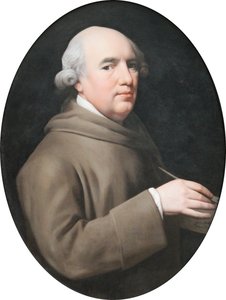
조지 스텁스
1724 - 1806 , 영국
작가 정보 요약
- Artistic Movement Or Style: 낭만주의, 말 그림
- Artists Or Movements Influenced By This Artist: ['조슈아 레이놀즈']
- Artists Who Influenced This Artist: ['햄릿 윈스탠리']
- Date Of Birth: 1724년 8월 25일
- Date Of Death: 1806년 7월 10일
- Full Name: 조지 스텁스
- Nationality: 영국인
- Notable Artworks (List Of Titles):
- 휘슬재킷
- 사자와 말
- Place Of Birth (City And Country): 영국 리버풀
관련 콘텐츠

조르주 쇠라 대표작 25선: 빛과 색의 혁신, 당신의 공간에 예술을 더하세요
조르주 쇠라의 대표작 25선을 만나보세요. 점묘법의 혁신과 빛, 색채의 아름다움이 담긴 명작들을 감상하고, 인테리어에 예술적인 영감을 더하세요. OriginalUniqueArt.com에서 고품질 미술 작품을 컬렉션해보세요.

조르주 브라크의 걸작 25선: 예술과 공간을 초월하는 시선 | OriginalUniqueArt
조르주 브라크의 시대를 초월한 25개의 걸작을 만나보세요. 입체주의를 개척한 프랑스 화가의 예술 세계와 숨겨진 이야기를 OriginalUniqueArt에서 감상하고, 명작 유화 복제본으로 공간에 특별함을 더하세요. 지금 바로 컬렉션을 탐험하세요!
George Stubbs: Anatomical Precision & Romantic Vision in 18th-Century British Art
Explore the captivating world of George Stubbs, the 18th-century master renowned for his anatomical precision & Romantic animal paintings. Discover his legacy and investment potential.

The Equine Muse: A Historical & Artistic Exploration of Horses in Painting
Explore the captivating history of horses in painting! Discover Renaissance masterpieces, Baroque grandeur & expert insights for collecting equestrian art. Learn about symbolism, techniques & lasting value with OriginalUniqueArt.
The Noble Steed: A Historical and Artistic Exploration of Horses in Fine Art
Explore the rich history of horses in fine art! From ancient depictions to Renaissance masterpieces & beyond, discover iconic artworks and artists. Learn about symbolism, techniques, and find museum-quality reproductions at OriginalUniqueArt.


