작품 구매하기
 공유하기
공유하기 공유하기
공유하기
 상세 정보
상세 정보

 다운로드
다운로드
 유사 작품
유사 작품 X-레이
X-레이 슬라이드 쇼
Finished study for


 더 보기
더 보기




P118B $10

P118H $10

P118W $10

P438Z $10

P508JH $12

P508YH $12

P805H $10

P805Z $10

P919BZ $10

P919G $10

P919XJ $10

P959ZH $10

P968JZ $12

W106C $8

W218G $10

W218JH $8

W218Y $10

W307PJ $10

W316G $10

W316PJ $8

W316Y $10

W398PJ $8

W4111J $10

W500HY $15

W500JH $15

W692G $12

W849H $8

W940BG $15

W953PJ $8




작품의 원본 비율을 유지하는 미리 설정된 크기 중에서 선택하세요.

특정 프레임이나 공간에 맞춰 직접 치수를 입력하실 수 있습니다. 선택하신 사이즈가 원본 이미지의 비율과 일치하지 않을 경우, 작품을 크롭(자르기)하거나 이미지를 대칭 또는 단색 채우기로 확장하여 제작합니다. 제작 시작 전, 최종 확인을 위해 디지털 목업이 전송됩니다.
화면상의 미리보기는 실제 크롭이나 확장 상태를 반영하지 않으므로, 최종 구도는 오직 목업을 통해서만 정확하게 확인하실 수 있습니다.
맞춤 사이즈 제작도 가능하지만, 원본 비율을 유지하기 위해서는 사전 정의된 목록에서 치수를 선택하시는 것을 권장합니다.


 유리 옵션은 110cm 미만 크기에서만 선택 가능합니다.

Finished study for
지클레 / 아트 프린트
복제본 크기
-


최종 결제 금액
-
작품 상세 설명
George Stubbs’ Anatomical Precision: A Window into the Romantic Horse
George Stubbs' “Finished Study for The First Anatomical Table of the Muscles…of the Horse,” created in 1758, is far more than a mere scientific illustration; it’s a profound meditation on life, death, and the sublime beauty of the animal kingdom. This remarkably detailed graphite and charcoal drawing offers an intimate glimpse into the mind of one of history's most visionary artists, revealing not just the mechanics of equine anatomy but also Stubbs’ deep-seated fascination with capturing the essence of movement and emotion within his subjects.
Stubbs’ journey to this level of anatomical understanding was a deliberate one. Initially trained as a currier – a leatherworker – he recognized early on that true artistic representation demanded an intimate knowledge of the forms he sought to depict. He abandoned his family trade and, driven by an almost obsessive curiosity, apprenticed himself to Charles Atkinson, a surgeon at York County Hospital, immersing himself in the study of human anatomy. This foundational experience proved invaluable when he turned his attention to horses, creatures that had long captivated him. Stubbs’ relentless dissection of dozens of equine corpses – a practice considered somewhat morbid at the time – yielded an unparalleled understanding of muscle structure, skeletal alignment, and the subtle nuances of movement. The resulting drawings are not simply accurate representations; they are infused with a palpable sense of vitality.
A Romantic Vision of the Beast
“Finished Study” firmly places Stubbs within the burgeoning Romantic movement, a period characterized by an emphasis on emotion, imagination, and the power of nature. Unlike earlier depictions of horses that often prioritized idealized beauty or heroic narratives, Stubbs’ work focuses on the raw physicality of the animal – its strength, vulnerability, and inherent wildness. The skeletal structure is rendered with meticulous precision, yet it's not presented as a cold, lifeless arrangement. Instead, the lines suggest a dynamic tension, hinting at the potential for movement and action. The drawing anticipates the dramatic, almost theatrical compositions that would later define Romantic painting, particularly in Stubbs’ monumental equine paintings like “Whistlejacket.”
Furthermore, the choice of subject matter itself is significant. Horses were not merely beasts of burden or symbols of power; they represented a connection to the untamed wilderness – a realm of primal instinct and boundless energy. Stubbs' dedication to anatomical accuracy reflects a broader Romantic interest in understanding the natural world through scientific observation, but it’s coupled with an appreciation for the sublime—that feeling of awe and wonder inspired by confronting something vast and powerful.
Technique and Symbolism
The drawing’s power lies not only in its subject matter but also in Stubbs' masterful technique. The use of precise, linear hatching creates a remarkable sense of volume and depth, transforming the skeletal structure into a tangible presence on the page. Subtle variations in line density suggest the contours of muscle tissue beneath the bone, conveying a remarkable level of realism. The grayscale palette – devoid of color – emphasizes form and structure, lending the image an almost sculptural quality.
Beyond its technical merits, “Finished Study” carries symbolic weight. The depiction of death—represented through the skeletal remains—can be interpreted as a meditation on mortality and the cyclical nature of life. Yet, it’s not presented in a morbid light; rather, it serves to highlight the underlying beauty and inherent dignity of the animal form. The drawing ultimately celebrates the enduring power of nature and the artist's ability to capture its essence with both scientific rigor and artistic sensitivity.
A Legacy of Anatomical Mastery
George Stubbs’ “Finished Study for The First Anatomical Table of the Muscles…of the Horse” stands as a testament to his unparalleled skill and profound understanding of the animal world. It is a pivotal work in art history, bridging the gap between scientific observation and artistic expression. Reproductions of this remarkable drawing offer a unique opportunity to appreciate Stubbs’ genius and to contemplate the enduring power of nature—a timeless subject that continues to inspire artists and captivate audiences today.
작가 약력
생애 초년과 예술적 기원
1724년 영국 리버풀에서 태어난 조지 스텁스는 18세기 영국 미술계에 깊은 발자취를 남긴 화가입니다. 그의 어린 시절은 기록이 희소하여, 35세 무렵 오지아스 험프리의 회고록을 통해 알려진 정보가 대부분입니다. 험프리와의 대화에서 스텁스는 15세 때 아버지, 가죽 세공업자의 밑에서 일하며 예술적 감각을 키웠다고 합니다. 이후 랭커셔 화가 해믈렛 윈스탠리의 짧은 수련 과정을 거치며 노즐리 홀의 소장품들을 접할 기회를 얻었습니다. 이 시기의 경험은 스텁스의 예술적 안목 형성에 중요한 영향을 미쳤습니다.해부학에 대한 열정과 작품 세계의 발전
스텁스는 해부학에 대한 깊은 관심을 가지고 1744년 요크로 이주하여 요크 카운티 병원의 외과의사 찰스 앳킨슨에게서 해부학을 공부했습니다. 그의 초기 대표작 중 하나는 1751년에 출판된 존 버튼의 산과 교재 삽화입니다. 그러나 스텁스의 예술적 역량이 본격적으로 발휘되기 시작한 것은 1756년, 링컨셔 농가에서 말 해부 연구를 시작하면서부터였습니다. 그는 평생 반려자 메리 스펜서와 함께 18개월 동안 말을 해부하며 인체의 구조와 근육의 움직임을 탐구했습니다. 이 연구 결과는 1766년에 출판된 말의 해부학이라는 기념비적인 작품으로 탄생했으며, 원본 드로잉은 현재 로열 아카데미에 소장되어 있습니다. 스텁스의 작품은 곧 귀족들의 주목을 받기 시작했고, 3대 리치몬드 공작으로부터 대규모 의뢰를 받으며 성공적인 화가로서의 기반을 다졌습니다.로맨티시즘의 선구자 그리고 주요 작품들
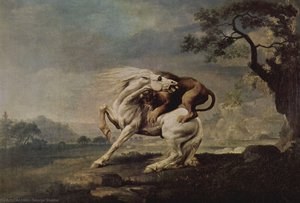
스텁스의 가장 유명한 작품은 제2대 로킹엄 후작이 의뢰한 휘슬재킷(Whistlejacket)입니다. 이 그림은 국립 갤러리에 소장되어 있으며, 역동적인 자세로 포즈를 취하고 있는 경주마의 모습을 담고 있습니다. 휘슬재킷은 기존 관습을 깨고 배경을 단순화하여 말 자체에 집중한 작품으로, 스텁스의 뛰어난 해부학적 지식과 표현력이 돋보입니다. 또한 로킹엄 후작에게 의뢰받은 다른 두 점의 그림 역시 평범하지 않은 배경 처리로 주목을 받았습니다. 스텁스는 사자가 말을 공격하는 연작화를 통해 18세기 미술에 큰 영향을 미쳤으며, 이는 초기 로맨티시즘 운동의 중요한 예시로 평가됩니다.예술적 유산과 역사적 의의
조지 스텁스는 말에 대한 깊은 이해와 뛰어난 표현력을 바탕으로 동물화 분야에서 독보적인 위치를 차지했습니다. 그의 작품은 단순한 동물의 묘사를 넘어, 생명력과 역동성을 담아내며 보는 이들에게 강렬한 인상을 남깁니다. 스텁스의 유산은 현대 미술계에도 이어져, 많은 예술가들에게 영감을 주고 있습니다.- https://OriginalUniqueArt.com/@/george_stubbs에서 스텁스의 작품을 감상하세요.
- https://OriginalUniqueArt.com/art.nsf/buy?open&ra=8xyffg에서 국립 갤러리의 스텁스 작품 컬렉션을 살펴보세요.
- https://en.wikipedia.org/wiki/george_stubbs에서 스텁스의 삶과 작품에 대해 더 자세히 알아보세요.
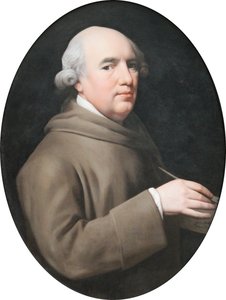
조지 스텁스
1724 - 1806 , 영국
주요 정보
- Artistic Movement Or Style: 낭만주의, 말 그림
- Artists Or Movements Influenced By This Artist: ['조슈아 레이놀즈']
- Artists Who Influenced This Artist: ['햄릿 윈스탠리']
- Date Of Birth: 1724년 8월 25일
- Date Of Death: 1806년 7월 10일
- Full Name: 조지 스텁스
- Nationality: 영국인
- Notable Artworks (List Of Titles):
- 휘슬재킷
- 사자와 말
- Place Of Birth (City And Country): 영국 리버풀
관련 기사 더 보기
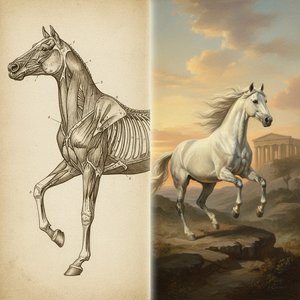
George Stubbs: Anatomical Precision & Romantic Vision in 18th-Century British Art
Explore the captivating world of George Stubbs, the 18th-century master renowned for his anatomical precision & Romantic animal paintings. Discover his legacy and investment potential.
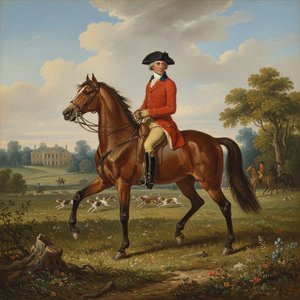
John Nost Sartorius: Equestrian Portraiture & the Shifting Social Landscape of 18th-Century England
Explore the captivating equestrian art of John Nost Sartorius (1759-1828). Discover his detailed paintings of racehorses, hunting scenes & aristocratic life. Learn about collecting Sartorius's work and its lasting value.
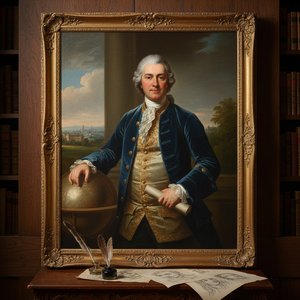
Thomas Hudson: A Study in 18th-Century Portraiture & British Artistic Identity
Explore the life & work of Thomas Hudson, a leading 18th-century British portraitist. Discover his mastery of the 'Grand Manner,' influential style, and lasting impact on British art. Learn about his notable portraits like Judge William Noel & Alexander Van Aken.

Sarah Churchill, Countess of Essex: A Patron's Influence on 18th-Century Art & Identity
Explore the fascinating world of Sarah Churchill, Countess of Essex, a pivotal figure in 18th-century art patronage. Discover her influence on Rococo aesthetics and portraiture, and learn about commissioning artworks as a statement of power & identity.
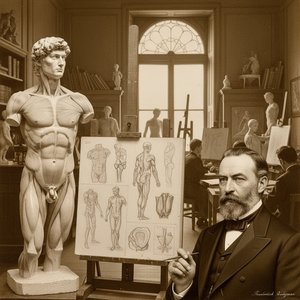
Frederick Bridgman: Anatomical Mastery & the Evolution of Figure Drawing Instruction
Explore the anatomical mastery of George B. Bridgman & his revolutionary figure drawing techniques. Discover how his methods transformed art instruction and continue to inspire artists today. Learn more at OriginalUniqueArt.