
 미리보기
미리보기
 공유하기
공유하기 공유하기
공유하기
 상세 정보
상세 정보 가이드 보기

 다운로드
다운로드
 유사 작품 더 보기
 X-레이
X-레이 슬라이드 쇼 보기
 질의응답
질의응답 통계 정보
통계 정보A Monkey

- 70.0 x 56.0 cm


 더 보기
더 보기
웹 미리보기 화면을 훨씬 뛰어넘는 인쇄용 파일을 만나보세요. 저희가 판매하는 모든 디지털 이미지는 스톡 데이터베이스 내의 고해상도 마스터 파일(일반적으로 가로 5,000~15,000픽셀)을 기반으로 합니다. 따라서 대형 인쇄나 정밀한 크롭 작업 시에도 세밀한 디테일을 자신 있게 구현할 수 있습니다.
저희 스튜디오를 거치는 모든 파일은 정교한 손길을 거칩니다. 디지털 전문가가 원작과 대조하여 색상을 점검하고 필요 시 보정하며, 전문 리터칭 도구를 사용하여 선명도와 디테일을 높입니다. 이 과정에서 작가의 붓 터치와 화풍을 충실히 유지하는 것을 원칙으로 합니다. 그 결과, 단순한 스캔본에 필터를 입힌 듯한 느낌이 아닌, 마치 실제 회화 작품을 보는 듯한 이미지를 구현해냅니다.
최종 완료 전 확인 단계가 있습니다. 전문가가 검토하실 수 있도록 72시간 이내에 이미지를 이메일로 보내드립니다. 결과물이 만족스럽지 않으신가요? 수정이나 보완을 요청하시거나, 품질이 기대에 미치지 못할 경우 환불을 요청하실 수 있습니다.
출판사, 디자인 스튜디오, 갤러리 및 인쇄소가 신뢰하는 바로 그 품질입니다.
디지털 이미지
개인 소장 및 전시, 인쇄, 창작 프로젝트를 위한 고해상도 파일을 다운로드하세요. ( 프린트 판매로 전환 수작업 채색 복제본 주문하기)
모든 디지털 이미지 주문 시 포함되는 혜택
전문적인 디지털 이미지 전송 보장
OriginalUniqueArt.com를 선택하시면 단순히 이미지를 받는 것을 넘어, 정밀한 보정 과정을 거쳐 완성된 전문적인 디지털 예술 작품을 만나보실 수 있습니다. 모든 주문에는 만족 보장 서비스가 포함되어 있으며, 다음과 같은 사항들이 자동으로 제공됩니다:

빠른 이메일 전송
주문 후 72시간 이내에 고해상도 디지털 이미지 파일이 이메일로 발송되며, 즉시 사용하실 수 있습니다.

AI 기술로 최적화된 디지털 파일
귀하의 작품은 첨단 AI 기술과 정교한 수동 편집 과정을 거쳐 전문적으로 최적화되며, 이를 통해 디테일과 선명도, 색상의 정확도를 극대화합니다.

평생 무료 재전송 서비스
파일을 실수로 삭제하거나 분실하셨나요? 걱정 마세요. 언제든 무료로 다시 보내드립니다.

추가 수입 비용 없음 - 언제나
관세, 부가세, 배송비 부담 없이 작품을 즉시 소장하세요 - 디지털 다운로드는 언제나 면세 혜택이 적용됩니다.

정확한 색상 보장
전문적인 도구와 색상 관리 시스템을 통해 디지털 이미지가 원본의 색상을 최대한 정확하게 구현하도록 보장합니다.

100일 만족 보장제
구매하신 디지털 이미지에 만족하지 못하실 경우, 100일 이내에 별도의 조건 없이 수정 또는 100% 환불을 진행해 드립니다.

100% 환불 보장
만족스럽지 않으신가요? 디지털 파일을 받으신 후 100일 이내라면 어떤 이유로든 조건 없이 전액 환불해 드립니다.

대량 주문 할인
이미지 3매 구매 시 10% 할인 - 5매 구매 시 15% 할인 - 10매 이상 구매 시 20% 할인. 크리에이티브 프로젝트, 갤러리, 에이전시에 매우 유용합니다.
The Enigmatic Subject: A Monkey’s Contemplative Gaze
George Stubbs' "A Monkey," painted in 1799, isn’t merely a depiction of an animal; it’s a carefully constructed tableau brimming with layered meaning. The subject itself – a monkey seated upon what appears to be a weathered rock or piece of wood – possesses an almost unnerving stillness. Its head is turned slightly away from the viewer, lending it a contemplative air, as if lost in its own thoughts. The pose, combined with the subtle tension in its muscles and the alert expression around its eyes, suggests a creature both intelligent and wary. This isn’t a playful romp through a jungle; there's an underlying sense of observation, perhaps even judgment, radiating from this primate. The artist masterfully captures a fleeting moment of awareness, inviting us to contemplate the animal’s inner world.
- Composition: The monkey is centrally positioned within a dark, shadowed environment, creating a dramatic contrast between light and shadow. This technique draws attention to the subject while simultaneously hinting at an unseen, potentially ominous, backdrop.
- Color Palette: Stubbs employs a muted palette dominated by earthy tones – browns, ochres, and grays – that evoke the feeling of a dense forest or jungle. These subdued colors contribute to the painting’s overall sense of mystery and depth.
Anatomical Mastery and the Roots of Romanticism
Stubbs was renowned for his unparalleled anatomical accuracy, particularly in his depictions of animals. “A Monkey” exemplifies this skill, showcasing a meticulous attention to detail in rendering the monkey’s fur, musculature, and skeletal structure. This dedication stemmed from his early training as an assistant to a surgeon, Charles Atkinson at York County Hospital, where he dissected horses to understand their anatomy. This scientific rigor is evident in the painting's realistic portrayal of the animal’s form—a hallmark of the burgeoning Romantic movement. The emphasis on observation and detailed representation, rather than idealized beauty, was revolutionary for its time.
The painting reflects a shift away from Neoclassical ideals that prioritized order and restraint towards a celebration of nature's power and complexity – a core tenet of Romanticism.Symbolic Layers: Fruit, Observation, and the Garden of Eden
Beyond its anatomical brilliance, “A Monkey” is rich in symbolic potential. The monkey’s grasp of two apples—one held delicately in its hand, the other resting nearby—immediately evokes the biblical story of Adam and Eve. This imagery suggests themes of temptation, knowledge, and perhaps even a critique of humanity's relationship with nature. The shadowed background further reinforces this sense of mystery and foreboding. The artist’s choice to depict the monkey in a contemplative pose, rather than engaging in playful activity, adds another layer of complexity—suggesting an awareness of its own situation and the potential consequences of its actions.
Furthermore, some scholars suggest that the painting may be a commentary on the role of artists and their relationship to nature, mirroring the themes explored in Jean Siméon Chardin’s “The Monkey Painter,” which depicts a monkey holding a paintbrush.A Legacy of Precision and Romantic Vision
“A Monkey” stands as a testament to George Stubbs' extraordinary talent and his pivotal role in shaping the course of British art. Its meticulous detail, evocative atmosphere, and symbolic depth continue to captivate viewers today. Reproductions of this iconic painting offer an opportunity to experience firsthand the artistry and intellectual curiosity that defined one of England’s greatest painters. It is a piece that invites repeated viewing, revealing new nuances with each encounter—a true masterpiece of anatomical precision and Romantic vision.
질의응답
조지 스터브스의 "A Monkey"의 어떤 프린트 사이즈가 추천된 공간에 잘 어울릴까요?
Living Room 공간에는 "A Monkey" 작품을 Medium 크기로 인쇄하여 배치하는 것을 추천합니다.
Romanticism 양식의 작품 "A Monkey"은 어느 나라에서 유래되었나요?
"A Monkey"은 영국 출신의 조지 스터브스가 Romanticism 운동의 흐름 속에서 제작한 작품입니다. 작가의 출신 배경은 이 작품을 영국 예술가들이 선보인 Romanticism 양식과 연결해 줍니다.
조지 스터브스의 "A Monkey"의 프린트물로 권장되는 사이즈와 방향은 무엇인가요?
Medium 크기, Portrait 방향: 조지 스터브스의 "A Monkey" 작품에 가장 적합한 인쇄 설정입니다.
작가 소개
생애 초년과 예술적 기원
1724년 영국 리버풀, 가죽 세공업자인 존 스텁스와 메리 사이에서 조지 스텁스가 세상에 태어났습니다. 그의 어린 시절은 가죽과 도구들을 다루는 가족 사업의 울타리 안에서 흘러갔습니다. 동물의 가죽이 지닌 물리적 특성을 일찍이 접하며 쌓은 촉각적 경험은, 훗날 그가 품게 될 예술적 호기심의 단단한 토대가 되었습니다. 15세에 접어들 무렵, 시각적 재현을 향한 그의 갈망은 더 이상 외면할 수 없는 본능적인 이끌림으로 변모했습니다. 그는 정규 아카데미의 체계적인 교육이 아닌, 생명의 역동적인 메커니즘을 이해하려는 끊임없고 자기 주도적인 탐구 정신을 통해 예술가로서의 첫발을 내디뎠습니다.
그의 예술적 여정은 결코 평탄하지 않았습니다. 랭커셔 출신의 화가이자 판화가인 해믈렛 윈스탠리 밑에서 짧은 수련 과정을 거치며 전문적인 기술을 엿보기도 했으나, 이는 그의 긴 여정 중 아주 짧은 한 장에 불과했습니다. 스텁스는 단순한 모방을 넘어선, 더욱 엄격하고 본질적인 무언가를 갈구했습니다. 그는 요크로 거처를 옮겼고, 그곳에서 그의 시선은 겉모습을 넘어선 내부의 구조로 향하기 시작했습니다. 요크 카운티 병원의 외과의사 찰스 앳킨슨의 지도 아래 해부학에 대한 깊은 탐구를 시작한 이 시기의 해부 과정은 그의 예술적 접근법을 근본적으로 바꾸어 놓았습니다. 화가는 이제 골격과 근육 체계를 탐구하는 학구적인 관찰자로 거듭나게 되었습니다.
그는 주로 독학을 통해 스스로의 기술적 숙련도를 쌓아갔으며, 18세기 동시대 거장들의 작품을 관찰하며 예술적 지평을 넓혔습니다. 조슈아 레이놀즈와 토마스 게인즈버러 같은 위대한 예술가들의 기법을 흡수하면서도, 그의 시선은 언제나 과학적 사실에 닻을 내리고 있었습니다. 그는 단순히 대상을 그리는 것에 만족하지 않았습니다. 피부 아래에서 꿈틀거리는 힘줄의 긴장감과 뼈의 정교한 배치를 온전히 이해하고자 했습니다. 이러한 외과적 정밀함과 미학적 감각의 교차점이야말로 조지 스텁스의 초기 예술 세계를 정의하는 핵심적인 요소입니다.
후원자, 작업실 그리고 의뢰
조지 스텁스의 성공은 영국 귀족 사회의 문을 두드리며 시작되었습니다. 1759년, 제3대 리치몬드 공작이 세 점의 대형 회화를 의뢰하면서 그의 예술적 위상은 확고한 전문성을 인정받게 됩니다. 동물의 물리적 실재감을 완벽하게 구현해내는 그의 탁월한 능력은 곧 당대 유력 귀족들의 시선을 사로잡았습니다. 그는 예술계의 변방에서 벗어나 엘리트 사회의 중심부로 진입하며 여러 공작과 귀족들을 위한 작품을 남기기 시작했습니다. 이러한 지속적인 고위층의 의뢰는 그가 런던이라는 대도시에서 예술가로서의 입지를 다지는 데 필요한 경제적 토대가 되었고, 결국 그는 런던 메릴본에 집을 마련하여 생의 마지막 순간까지 그곳에서 예술혼을 불태웠습니다.
그의 독보적인 전문성에 대한 수요는 사회의 가장 높은 곳까지 뻗어 나갔으며, 이는 곧 왕실의 후원으로 이어졌습니다. 조지 스텁스의 명성은 말을 단순한 동물이 아닌 자신의 사회적 지위를 상징하는 존재로 여기는 소유주들의 까다로운 욕구를 충족시키는 데서 비롯되었습니다. 이들은 단순한 외형적 닮은꼴을 넘어, 조지 스텁스만이 선사할 수 있는 해부학적 정밀함을 갈구했습니다. 이에 따라 그의 작업실은 승마의 탁월함과 명마의 혈통에 집착하던 당시 상류층의 미적 취향을 충족시키는 중요한 예술적 생산의 장이 되었습니다.
기법과 스타일
조지 스텁스는 과학적 탐구와 순수 미술이 교차하는 지점에서 독보적인 예술 세계를 구축했습니다. 그의 화풍은 동물의 물리적 실체에 뿌리를 둔 선구적인 사실주의를 바탕으로 합니다. 그는 해부학적 정확성에 표현력 넘치는 세부 묘사를 결합함으로써, 단순한 외형적 닮음을 넘어 생명 그 자체의 역동적인 메커니즘을 포착해 냈습니다. 특히 미묘한 명암의 변화를 통해 근육과 힘줄 하나하나에 생명력을 불어넣었으며, 해부학에 대한 깊은 연구를 반영하듯 대상의 내부 구조를 놀라울 정도로 명료하게 구현해 냈습니다.
이러한 움직임의 원리에 대한 집착은 종종 극도의 긴장감이 감도는 장면으로 발현되곤 했습니다. 그는 사자에게 위협받는 야생마라는 주제에 매료되어 이를 다양한 방식으로 탐구했습니다. 사자가 말을 공격하는 장면을 묘사한 이 작품들은 초기 낭만주의 운동의 중요하고도 상징적인 사례로 평가받습니다. 이 작품들 속에서 예술적 초점은 정적인 초상화의 틀을 깨고 생존을 향한 본능적인 에너지로 옮겨가며, 근육의 긴장감을 활용해 화면 전체의 구도를 강력하게 이끌어냅니다.
주요 작품과 걸작들
1766년은 예술과 과학이 교차하는 지점에서 결정적인 전환점이 된 해입니다. 이 해에 조지 스텁스는 단순한 관찰을 넘어선 획기적인 논문인 말의 해부학(The Anatomy of the Horse)을 출판합니다. 이 책에는 생명의 역동적인 메커니즘을 이해하기 위해 수년간 사체를 해부하며 얻어낸 결과물인 18점의 정교한 삽화가 담겨 있습니다. 이 저작을 통해 그는 말의 구조에 관한 독보적인 권위자로 자리매김했으며, 살아있는 동물을 정의하는 근육과 힘줄을 설명하는 시각적 언어를 제시했습니다.
같은 해, 그의 시선은 내부 구조에서부터 보다 본능적이고 강렬한 생존의 현장으로 옮겨갑니다. 사자가 사슴을 공격하는 장면(A Lion Attacking a Stag)은 가공되지 않은, 야생 그대로의 생존의 순간을 포착합니다. 포식자와 피식자를 묘사하는 방식에서 느껴지는 긴장감은 보는 이의 숨을 멎게 합니다. 사자에게 위협받는 야생마라는 갈등의 테마는 그의 예술 여정 전반에 걸쳐 반복되는 집착적인 주제로 나타나며 다양한 변주를 거칩니다. 이는 과학적 기록과 태동하는 낭만주의 운동 사이의 간극을 메우는, 힘과 움직임에 대한 깊은 탐구이기도 합니다.
그의 기마 초상화 예술이 정점에 달한 순간은 바로 휘슬재킷(Whistlejacket)과 함께 찾아옵니다. 제2대 로킹엄 후작의 의뢰로 탄생한 이 작품은 당시의 관습을 깨고 단순한 배경 속에 도약하는 말의 모습을 그려냄으로써 압도적인 존재감을 드러냅니다. 이어 1780년경, 그는 로킹엄 후작의 아라비안 종마(The Marquess of Rockingham's Arabian Stallion)를 제작하며 당대 상류 사회에서의 입지를 더욱 공고히 합니다. 특정 동물의 본질을 꿰뚫어 포착해내는 그의 탁월한 능력은 동물화라는 장르에 남긴 가장 영속적인 유산으로 평가받습니다.
- 휘슬재킷 (Whistlejacket)
- 말의 해부학 (The Anatomy of the Horse, 1766)
- 사자가 사슴을 공격하는 장면 (A Lion Attacking a Stag, 1766)
- 로킹엄 후작의 아라비안 종마 (The Marquess of Rockingham's Arabian Stallion, 약 1780년)
오늘날 그의 작품을 만날 수 있는 곳
조지 스텁스의 해부학적 정밀함이 빚어낸 위대한 유산은 오늘날 세계 유수의 미술관들에 고스란히 남아 숨 쉬고 있습니다. 런던의 내셔널 갤러리에 가면, 서러브레드 경주마의 역동성을 담아낸 대작 휘슬재킷을 마주할 수 있습니다. 또한 테이트 갤러리 역시 그의 회화 작품 여러 점을 소장하며 그 예술적 깊이를 증명하고 있습니다. 이 작품들은 조지 스텁스의 예술 인생을 정의했던 그 경이로운 정밀함을 직접 목격할 수 있는 소중한 기회를 제공합니다.
대서양 건너편 뉴헤이븐에 위치한 예일 영국 미술관에는 그의 작품이 상당수 소장되어 있어, 그의 예술적 성취를 집중적으로 살펴볼 수 있는 풍부한 컬렉션을 자랑합니다. 영국 본토에서는 리버풀의 워커 아트 갤러리가 그의 회화들을 보존하며, 그가 태어난 고향의 땅으로 그의 예술적 형상들을 되돌려놓았습니다. 그의 영향력은 단순히 캔버스의 경계를 넘어 과학의 영역으로까지 뻗어 나갔습니다. 그의 저서 말의 해부학은 오늘날까지도 말의 해부학적 구조를 연구하는 이들에게 없어서는 안 될 근본적인 지침서로 남아 있습니다.
- 휘슬재킷 - 런던 내셔널 갤러리
- 말을 삼키는 사자 - 런던 테이트 갤러리
- 기수와 함께 있는 몰리 롱레그스 - 리버풀 워커 아트 갤러리
- 밀뱅크 및 멜버른 가문 - 런던 내셔널 갤러리
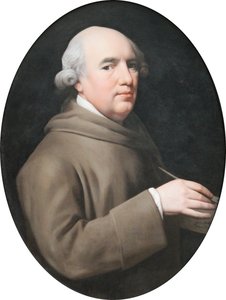
조지 스터브스
1724 - 1806 , 영국
주요 정보
- Artistic Movement Or Style: 낭만주의
- Artists Or Movements Influenced By This Artist: ['낭만주의']
- Artists Who Influenced This Artist:
- 조슈아 레이놀즈
- 토마스 게인즈버러
- Date Of Birth: 1724
- Date Of Death: 1806
- Full Name: 조지 스텁스
- Nationality: 영국
- Notable Artworks:
- 휘슬재킷
- 말의 해부학
- 말을 공격하는 사자
- Place Of Birth: 영국 리버풀