
 미리보기
미리보기
 프린트 구매
 공유하기
공유하기 공유하기
공유하기
 상세 정보
상세 정보

 다운로드
다운로드
 유사 작품
유사 작품 X-레이
X-레이 슬라이드 쇼
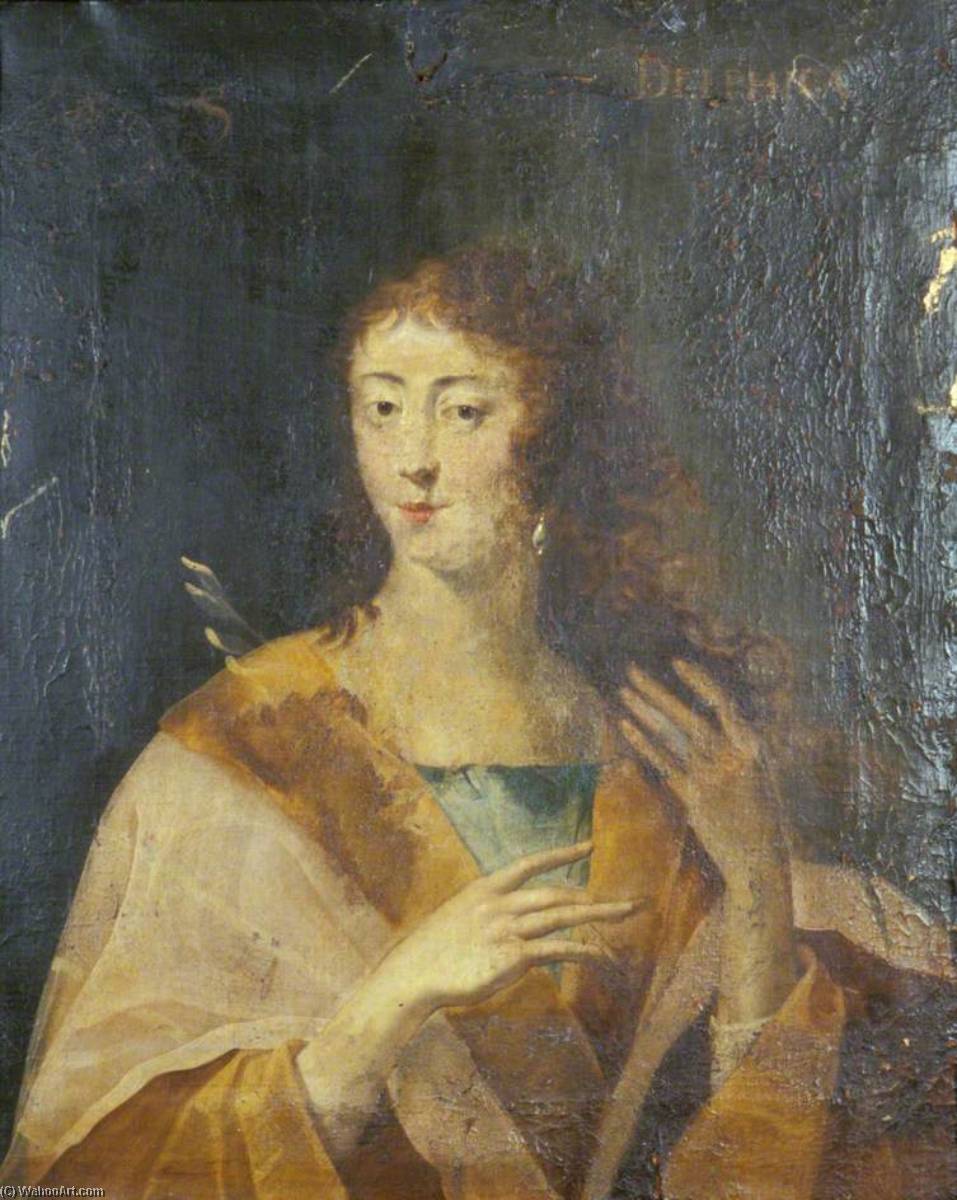
Sibyl delphica
 75.0 x 60.0 cm
 더 보기
더 보기




































작품의 원본 비율을 유지하는 미리 설정된 크기 중에서 선택하세요.

특정 프레임이나 공간에 맞도록 직접 크기를 입력할 수 있습니다. 선택하신 크기가 원본 이미지의 비율과 일치하지 않는 경우, 작품을 자르거나 추가적인 손으로 그린 요소를 사용하여 그림을 확장합니다. 제작 시작 전 승인을 위해 디지털 목업을 보내드립니다.
화면 미리 보기는 실제 자르기 또는 확장을 반영하지 않습니다. 최종 구성은 목업을 통해서만 정확하게 확인하실 수 있습니다.
맞춤 크기 제작도 가능하지만, 원본 비율을 유지하기 위해 사전 정의된 목록에서 크기를 선택하시는 것을 권장합니다.
주문 후 OriginalUniqueArt.com 팀에서 상세 안내를 위해 고객님께 이메일을 보내드리며, 미리보기 시안을 제공해 드립니다.


 유리 옵션은 110cm 미만 크기에서만 선택 가능합니다.

Sibyl delphica
재현 기법
복제본 크기
-


최종 결제 금액
$ 300
작가 약력
George Jamesone: Scotland’s First Portrait Master
George Jamesone (c. 1587 – 1644) stands as a pivotal figure in Scottish art history, widely recognized as the nation's first truly eminent portrait painter. His career unfolded during a period of significant artistic and political change, bridging the Renaissance and Baroque eras and leaving behind a legacy of refined elegance and national pride. Born in Aberdeen around 1587 to stonemason Andrew Jamesone and Marjory Anderson, George’s early life was steeped in the traditions of craftsmanship – his father's trade instilled a respect for detail and material quality that would profoundly influence his artistic approach. He received an education initially at the local grammar school, followed by studies at Marischal College, laying the groundwork for a future immersed in scholarship and observation.Early Training and Influences
Jamesone’s formal artistic training began under the tutelage of his uncle, John Anderson, a respected decorative painter based in Edinburgh. This apprenticeship provided him with essential skills in composition, color theory, and the techniques of applying paint to various surfaces. However, whispers persist – and remain tantalizingly unproven – of a formative period spent studying under the giants of the Antwerp School: Paul Rubens and Anthony van Dyck. While definitive documentation is lacking (the Guild registers of Antwerp offer no record of Jamesone’s presence), the legend speaks volumes about his ambition and exposure to the artistic currents sweeping through Europe at the time. This potential influence undoubtedly shaped his understanding of light, shadow, and the dramatic portrayal of human form – elements that would become hallmarks of his distinctive style.A Rising Star: Aberdeen and Royal Recognition
Returning to Aberdeen around 1620, Jamesone quickly established himself as a sought-after portraitist, capturing the likenesses of local academics and scholars from the city’s rival colleges – King's and Marischal. These early works demonstrated his burgeoning talent for capturing personality and conveying intellectual depth. The year 1633 proved to be a watershed moment in Jamesone’s career. Charles I, on a grand royal visit to Edinburgh, demanded a spectacular triumphal arch adorned with portraits of Scotland's past monarchs. Jamesone was entrusted with this monumental commission, a task that catapulted him from local recognition to national fame. The resulting series of regal figures showcased his mastery of technique and his ability to imbue each portrait with an air of authority and dignity. Crucially, the King’s evident delight in the outcome – reportedly including the gift of a diamond ring – solidified Jamesone's reputation and opened doors to commissions from Scotland’s gentry.The Erskine Portrait and Lasting Legacy
Among his most celebrated works is the portrait of Mary Erskine, now housed at the National Gallery of Scotland. This painting exemplifies Jamesone’s skill in capturing a subject's character and conveying subtle nuances of expression. It also highlights his ability to work within the conventions of the era while imbuing his portraits with a distinctly Scottish sensibility. Jamesone continued to paint prolifically throughout the 1640s, establishing studios in both Aberdeen and Edinburgh, catering to a diverse clientele ranging from nobility to merchants. Sadly, his career was cut short by the tumultuous events of the mid-17th century; he died in Edinburgh in 1644 during the Scottish Civil War, a period of intense conflict and upheaval. Despite his untimely death, Jamesone’s influence on subsequent generations of Scottish artists remains profound. His meticulous attention to detail, his skillful use of light and shadow, and his ability to capture the essence of his subjects cemented his place as Scotland's first true portrait master – a title he rightfully deserves.Key Characteristics and Artistic Style
Jamesone’s portraits are characterized by a refined elegance and a deep understanding of human psychology. He favored a balanced composition, often employing pyramidal arrangements to create a sense of stability and grandeur. His use of color was subtle yet effective, creating depth and atmosphere through carefully layered glazes. He demonstrated a remarkable ability to capture the texture of fabrics and the sheen of metal, adding realism and visual interest to his works. While influenced by the Renaissance ideals of classical beauty, Jamesone’s portraits possess a distinctly Scottish character – a quiet dignity and understated grace that reflects the spirit of his nation. His work stands as a testament to his skill and vision, securing his place as one of Scotland's most important artistic figures.
George Jamesone
1587 - 1644
주요 정보
- Artistic Movement Or Style: Renaissance & Baroque
- Artists Or Movements Influenced By This Artist: ['John Michael Wright']
- Artists Who Influenced This Artist:
- Rubens
- Van Dyck
- Date Of Birth: c. 1587 Aberdeen
- Date Of Death: 1644 Edinburgh
- Full Name: George Jamesone
- Nationality: Scottish
- Notable Artworks:
- Sibyl Cumaea
- John Alexander
- Place Of Birth: Aberdeen, Scotland

