

 미리보기
미리보기
 공유하기
공유하기 공유하기
공유하기
 상세 정보
상세 정보

 다운로드
다운로드
 유사 작품
유사 작품 X-레이
X-레이 슬라이드 쇼
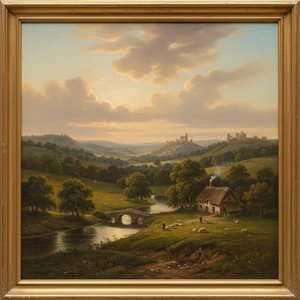
Kedleston Hall from the North


 더 보기
더 보기
지클레 / 아트 프린트
빠른 제작과 다양한 마감 옵션을 제공하는 박물관 품질의 지클레이 또는 캔버스 프린트. ( 손으로 그린 그림 구매 이미지 구매)




































작품의 원본 비율을 유지하는 미리 설정된 크기 중에서 선택하세요.

특정 프레임이나 공간에 맞춰 직접 치수를 입력하실 수 있습니다. 선택하신 사이즈가 원본 이미지의 비율과 일치하지 않을 경우, 작품을 크롭(자르기)하거나 이미지를 대칭 또는 단색 채우기로 확장하여 제작합니다. 제작 시작 전, 최종 확인을 위해 디지털 목업이 전송됩니다.
화면상의 미리보기는 실제 크롭이나 확장 상태를 반영하지 않으므로, 최종 구도는 오직 목업을 통해서만 정확하게 확인하실 수 있습니다.
맞춤 사이즈 제작도 가능하지만, 원본 비율을 유지하기 위해서는 사전 정의된 목록에서 치수를 선택하시는 것을 권장합니다.


 유리 옵션은 110cm 미만 크기에서만 선택 가능합니다.

Kedleston Hall from the North
지클레 / 아트 프린트
복제본 크기
-


최종 결제 금액
$ 80
작가 약력
Early Life and Artistic Foundations
George Cuitt the Elder, born in the quaint Yorkshire village of Moulton in 1743, possessed a natural inclination towards artistic expression from a young age. This early talent did not go unnoticed; Sir Lawrence Dundas, recognizing the budding artist’s potential, generously sponsored Cuitt's education in Italy. For six formative years, Cuitt immersed himself in the vibrant art scene of Rome, diligently honing his skills and absorbing the classical traditions that would profoundly shape his aesthetic sensibilities. While initially focused on portraiture, it was landscape painting that truly captured his imagination, resonating with a deeper personal connection to the natural world. This period laid the groundwork for a career defined by meticulous detail, harmonious compositions, and an evocative portrayal of both human subjects and the English countryside.A Career Blossoming: Portraits and Landscapes
Upon returning to England in 1775, Cuitt quickly established himself within the artistic community, exhibiting his work at the prestigious Royal Academy in 1776 with *The Infant Jupiter fed with goat's milk and honey*. This early success signaled a promising trajectory. Throughout the late 18th century, he consistently presented both portraits and landscapes, demonstrating versatility and technical mastery. However, frequent bouts of low fever compelled him to seek refuge from the bustling London art world, leading him to settle in Richmond, Yorkshire. It was here, amidst the serene beauty of his surroundings, that Cuitt truly flourished. The local gentry eagerly commissioned him to paint their estates—grand homes nestled within picturesque parks and gardens—providing a steady stream of work and allowing him to fully indulge his passion for capturing the essence of the English landscape.Style and Technique: A Master of Realism
Cuitt’s artistic style is characterized by an exquisite attention to detail, particularly evident in his portraits which are known for their elaborately finished surfaces despite being executed with relatively thin layers of paint. This meticulous approach reflects a dedication to capturing not merely likeness but also the personality and social standing of his sitters. His landscapes, especially those from his earlier period, reveal a remarkable ability to convey both technical skill and emotional depth. He wasn’t simply recording scenes; he was interpreting them through a lens of personal feeling, imbuing his work with a sense of harmony and tranquility. While often categorized within the broader scope of 18th-century British art, Cuitt's paintings stand out for their refined execution and subtle emotional resonance—qualities that align him closely with the principles of American Realism, despite his primarily British focus.Legacy and Historical Significance
George Cuitt the Elder’s contribution to 18th-century art lies in his ability to seamlessly blend portraiture and landscape painting, creating works that offer a compelling glimpse into the lives and surroundings of the English gentry. His paintings are not merely decorative; they serve as historical documents, preserving images of stately homes like Marske Hall and Kedleston Hall, alongside portraits of prominent figures such as Francis Blackburne. His son, George Cuitt the Younger, also followed in his artistic footsteps, continuing the family tradition. While perhaps not a household name today, Cuitt’s work remains highly valued for its technical brilliance, historical significance, and evocative portrayal of a bygone era—a testament to a life dedicated to capturing beauty and preserving it on canvas. His paintings offer a window into the aesthetic values and social structures of 18th-century England, solidifying his place as a significant figure in British artistic history.
주요 정보
- Artistic Movement Or Style: American Realism
- Date Of Birth: 1743
- Date Of Death: 1818
- Full Name: George Cuitt the Elder
- Nationality: British
- Notable Artworks:
- Kedleston Hall from the North
- Marske Hall, Yorkshire
- Francis Blackburne portrait
- Place Of Birth: Moulton, England
관련 기사 더 보기

조르주 브라크의 걸작 25선: 예술과 공간을 초월하는 시선 | OriginalUniqueArt
조르주 브라크의 시대를 초월한 25개의 걸작을 만나보세요. 입체주의를 개척한 프랑스 화가의 예술 세계와 숨겨진 이야기를 OriginalUniqueArt에서 감상하고, 명작 유화 복제본으로 공간에 특별함을 더하세요. 지금 바로 컬렉션을 탐험하세요!

조르주 쇠라 대표작 25선: 빛과 색의 혁신, 당신의 공간에 예술을 더하세요
조르주 쇠라의 대표작 25선을 만나보세요. 점묘법의 혁신과 빛, 색채의 아름다움이 담긴 명작들을 감상하고, 인테리어에 예술적인 영감을 더하세요. OriginalUniqueArt.com에서 고품질 미술 작품을 컬렉션해보세요.
George Barret the Elder: Pioneering British Pastoral Painting & Landscape's Rise
Explore the life & art of George Barret Sr., a pioneer of British pastoral painting. Discover his influence on Romantic landscape art, patronage, and collecting tips from OriginalUniqueArt.

낭만 풍경화의 황홀! 예술사에 빛난 10대 걸작 탐구 | 와후아트
낭만주의 시대, 예술혼을 불태운 10대 풍경화 걸작! 터너부터 프리드리히까지, 시대를 초월하는 아름다움을 와후아트에서 만나보세요. 고흐의 색채와 코로의 섬세함이 당신의 공간에 영감을 더합니다. 지금 바로 와후아트에서 명품 미술 작품을 감상하고 구매하세요!

존 컨스터블 대표작 25선: 영국 풍경화의 거장, 자연과 감성을 담은 명화 컬렉션 | OriginalUniqueArt
존 컨스터블 대표작 25선을 만나보세요. 영국 풍경화 거장의 자연주의 회화, 데담 밸리의 아름다움과 헤이 웨인의 정취를 담은 명화를 감상하세요. OriginalUniqueArt에서 고품질 예술 작품 복제본을 소장하고 특별한 인테리어를 완성해보세요. 지금 바로 컬렉션을 탐험하세요!

