메뉴 펼치기
무료 아트 컨설팅
PreviewPreview AR previewAR preview Switch to Print Switch to PrintSwitch to Image Switch to Image 공유하기공유하기
상세 정보상세 정보 즐겨찾기에 추가 즐겨찾기에 추가 다운로드다운로드 유사 작품유사 작품 X-레이X-레이 슬라이드 쇼슬라이드 쇼

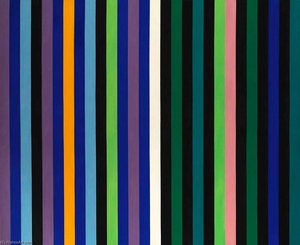
Red Baron

  • 제작 연도1966
  • 크기 및 규격200.0 x 103.0 cm

Explore the surreal & vibrant world of Gene Bernard Davis! Known for his 'Flower Machine' & evocative imagery, this artist blends nature & abstraction – a unique vision.

수제 유화 복제품

원하는 크기와 액자로 주문 제작되는, 작가들이 직접 캔버스에 손으로 그린 유화 작품입니다. (Switch to Print Switch to PrintSwitch to Image Switch to Image)

Standard
custom
CM
INCH

작품의 원본 비율을 유지하는 미리 설정된 크기 중에서 선택하세요.

가로 너비
세로 길이

특정 프레임이나 공간에 맞도록 직접 크기를 입력할 수 있습니다. 선택하신 크기가 원본 이미지의 비율과 일치하지 않는 경우, 작품을 자르거나 추가적인 손으로 그린 요소를 사용하여 그림을 확장합니다. 제작 시작 전 승인을 위해 디지털 목업을 보내드립니다.
화면 미리 보기는 실제 자르기 또는 확장을 반영하지 않습니다. 최종 구성은 목업을 통해서만 정확하게 확인하실 수 있습니다.
맞춤 크기 제작도 가능하지만, 원본 비율을 유지하기 위해 사전 정의된 목록에서 크기를 선택하시는 것을 권장합니다.

변경 가능한 예시: 얼굴을 고객의 사진으로 교체, 반려동물 추가(예: 고양이를 강아지로 변경), 배경에 숨겨진 메시지 삽입, 배경 풍경 또는 요소 변경 등
주문 후 OriginalUniqueArt.com 팀에서 상세 안내를 위해 고객님께 이메일을 보내드리며, 미리보기 시안을 제공해 드립니다.

전 세계 배송()은 표준 5주 대신 3~4주 내에 완료됩니다. (29 7월). 품질에는 어떠한 타협도 하지 않습니다.

why_choose_icon
전 세계 무료 특급 배송
why_choose_icon
프리미엄 린넨 캔버스
why_choose_icon
전체 배송 보험 보장
why_choose_icon
관세 환불 보장
why_choose_icon
실제 색상 일치 보장
why_choose_icon
60일 이내 반품 정책 (제조 결함 시)
why_choose_icon
100% 환불 보장
why_choose_icon
다량 구매 할인 혜택

총 합계 금액

$ 300

reproduction

Red Baron

재현 기법

복제본 크기

-

최종 결제 금액

$ 300

작품 상세 설명

The Red Baron is a striking painting created by Gene Bernard Davis in 1966. This acrylic on canvas piece measures 200 x 103 cm and is a prime example of the artist's unique style, which blends bold colors and geometric shapes to create a visually stunning effect.

Artist Background

Gene Bernard Davis was an American artist known for his contributions to the Color Field movement. His work often featured vertical stripes of color, which gave his paintings a sense of rhythm and energy. The Red Baron is a quintessential example of this style, with its bold red and orange hues evoking a sense of dynamism and movement.

Painting Description

The Red Baron features two distinct sections: one predominantly red and the other mostly orange. The red section appears as a solid color, while the orange section has some texture and detail. This contrast between smooth and textured surfaces adds depth to the painting, making it more engaging for the viewer.

Museum Collections

The Red Baron is part of the collection at the Smithsonian American Art Museum. You can find more information about this painting and other works by Gene Bernard Davis on the OriginalUniqueArt.com website.
  • The Red Baron is a significant work in the Gene Bernard Davis oeuvre, showcasing his unique style and contribution to the Color Field movement.
  • The painting's bold colors and geometric shapes make it a visually striking piece that continues to captivate audiences today.
  • As a leading figure in the Washington Color School, Gene Bernard Davis played an important role in shaping the development of American art in the mid-20th century.
Handmade oil painting reproductions of the Red Baron are available on OriginalUniqueArt.com, allowing art lovers to own a piece of history. For more information about Gene Bernard Davis and his work, visit the Wikipedia page.
The Red Baron is a testament to the enduring power of Color Field art, and its influence can still be seen in contemporary art today. As a masterpiece of American art, it continues to inspire and delight audiences around the world.

작가 약력

Gene Bernard Davis: Pioneer of Vertical Stripe Painting

Gene Bernard Davis (1920 – 1985) stands as a singular figure in American Color Field painting, recognized primarily for his groundbreaking exploration of vertical stripe compositions—a technique that would become synonymous with the Washington Color School and profoundly influence subsequent generations of artists. Born in Brooklyn, New York, Davis’s artistic journey began modestly but swiftly ascended to prominence thanks to an unwavering dedication to color theory and a masterful manipulation of visual rhythm. Davis's formative years were marked by exposure to European avant-garde movements like Surrealism and Abstract Expressionism, particularly the work of Piet Mondrian and Josef Albers. These influences instilled in him a fascination with geometric abstraction and a belief that color could communicate emotion and intellect simultaneously—a conviction he would champion throughout his career. He pursued formal training at Yale University under Josef Albers, whose teachings on optical illusions and perceptual harmony deeply impacted Davis’s artistic sensibilities. Davis's artistic breakthrough arrived in 1953 with “Bay,” a monumental canvas executed in shades of blue that immediately established him as a visionary innovator. This piece exemplifies his signature style—a deliberate layering of horizontal and vertical stripes, meticulously calibrated to create an illusion of depth and movement. The stripe pattern itself wasn’t merely decorative; it was conceived as a tool for investigating the fundamental principles of color perception and exploring the relationship between pigment and surface texture. Subsequent works continued this exploration, delving into variations of blue, yellow, and red—often juxtaposed in striking combinations that captivated audiences and critics alike. His most celebrated achievement is arguably “Peeping Wall,” created in 1956. This artwork, characterized by its densely packed vertical stripes, embodies Davis’s commitment to pushing the boundaries of color abstraction. The piece's subtle shifts in hue and tonal variation contribute to a mesmerizing visual experience—one that invites contemplation on themes of perception, illusion, and the transformative power of artistic vision. It solidified his reputation as one of the foremost practitioners of Color Field painting and cemented his place within the canon of 20th-century art history. Davis’s legacy extends beyond his individual paintings; he served as an influential mentor to younger artists and championed a humanist approach to abstraction—one that prioritized emotional resonance alongside intellectual rigor. He instilled in them the importance of experimentation, observation, and a willingness to embrace unexpected discoveries. Gene Bernard Davis's unwavering pursuit of artistic excellence ensured that his contribution to Color Field painting would endure for decades to come, inspiring countless artists to explore the expressive potential of color and geometric form.
gene bernard davis

gene bernard davis

1920 - 1985

주요 정보

  • Artistic Movement Or Style: Color Field Painting
  • Artists Or Movements Influenced By This Artist: ['Washington Color School']
  • Artists Who Influenced This Artist:
    • Barnett Newman
    • Helen Frankenthaler
  • Date Of Birth: 1920
  • Date Of Death: 1985
  • Full Name: Gene Bernard Davis
  • Nationality: American
  • Notable Artworks:
    • Bay
    • Peeping Wall
    • Two Part Blue
  • Place Of Birth: New York City, USA