
 미리보기
미리보기
 공유하기
공유하기 공유하기
공유하기
 상세 정보
상세 정보 가이드 보기

 다운로드
다운로드
 유사 작품 더 보기
 X-레이
X-레이 슬라이드 쇼 보기
 질의응답
질의응답 통계 정보
통계 정보The Poultry Woman

- 61.0 x 45.0 cm


 더 보기
더 보기
지클레 / 아트 프린트
빠른 제작과 다양한 마감 옵션을 제공하는 박물관 수준의 지클레이 및 캔버스 프린트. ( 수작업 채색 복제본 주문하기 디지털 이미지로 전환)




P118B ₩10

P118H ₩10

P118W ₩10

P438Z ₩10

P508JH ₩12

P508YH ₩12

P805H ₩10

P805Z ₩10

P919BZ ₩10

P919G ₩10

P919XJ ₩10

P959ZH ₩10

P968JZ ₩12

W106C ₩8

W218G ₩10

W218JH ₩8

W218Y ₩10

W307PJ ₩10

W316G ₩10

W316PJ ₩8

W316Y ₩10

W398PJ ₩8

W4111J ₩10

W500HY ₩15

W500JH ₩15

W692G ₩12

W849H ₩8

W940BG ₩15

W953PJ ₩8




작품의 원본 비율을 그대로 유지하는 프리셋 사이즈 중에서 선택해 보세요.

액자나 벽면 크기에 맞춰 필요한 가로와 세로 길이를 입력해 주세요. 프린트는 원본 이미지보다 크게 제작할 수 없으며 오직 자르는 것만 가능하므로, 비율이 다른 사이즈를 선택할 경우 이미지의 일부가 잘려 나갈 수 있습니다. 인쇄 작업에 들어가기 전, 최종 확인을 위해 디지털 목업을 보내드립니다. 이 페이지에 표시된 이미지는 실제 잘리는 영역을 나타내지 않으며, 오직 목업을 통해서만 정확한 확인이 가능합니다.


 유리 옵션은 110cm 미만 크기에서만 선택 가능합니다.

The Poultry Woman
지클레 / 아트 프린트
복제본 크기
-


최종 결제 금액
₩ 108438
A Moment Frozen in Time: The Story of *The Poultry Woman*
Gabriel Metsu’s *The Poultry Woman*, painted in 1662, isn't merely a depiction of a market scene; it’s a carefully constructed tableau brimming with quiet drama and subtle symbolism. Within the confines of a modest courtyard, bathed in the dramatic chiaroscuro characteristic of Dutch Golden Age painting, Metsu captures an intimate exchange between a nun offering fish, a woman presenting a bird – likely a chicken or duck – and two men engaged in conversation. The scene unfolds with remarkable realism, yet possesses an almost dreamlike quality, inviting viewers to contemplate the unspoken narratives woven into its composition. It’s a painting that whispers of prosperity, trade, and the delicate balance between human interaction and the natural world, all rendered with Metsu's signature meticulous detail and profound understanding of light and shadow.
- Historical Context: Painted during the height of the Dutch Golden Age, *The Poultry Woman* reflects a society experiencing unprecedented economic growth and artistic flourishing. Metsu’s work aligns with the broader trend of genre painting – scenes from everyday life – which gained prominence as a means of capturing the spirit of the era.
- Artist's Biography: Gabriel Metsu was an enigmatic figure, known for his eclectic style and relatively small body of work. His life remains somewhat shrouded in mystery, adding to the allure of his paintings. He worked primarily in Leiden and Amsterdam, developing a distinctive approach that blended realism with a subtle emotional depth.
The Language of Light and Shadow: Technique and Style
Metsu’s mastery lies not just in his ability to depict realistic figures and objects but also in his masterful manipulation of light and shadow – a technique known as chiaroscuro, deeply influenced by Rembrandt. Notice how the strong contrasts between light and dark sculpt the forms, creating a sense of volume and depth. The lighting isn't uniform; it highlights specific elements—the woman’s face, the bird she presents, the textures of clothing and feathers—drawing the viewer’s eye to key focal points. The painting is executed in oil on canvas with meticulous layering, building up texture and color through numerous thin glazes. This technique allows Metsu to achieve a remarkable level of detail, from the intricate folds of fabric to the individual strands of hair.
Key stylistic elements include:- Realism: Metsu’s commitment to accurate representation is evident in every detail, from the weathered faces of the figures to the realistic depiction of the poultry.
- Chiaroscuro: The dramatic use of light and shadow creates a sense of depth and atmosphere.
- Composition: The balanced composition draws the eye through the scene, guiding the viewer’s attention to the central interaction between the figures.
Symbolism and Interpretation: Unpacking the Scene
Beyond its surface realism, *The Poultry Woman* is rich in symbolic meaning. The offering of fish by the nun suggests charity and religious devotion, while the presentation of the bird represents abundance and prosperity – a common motif in Dutch art during this period. The two men conversing could symbolize commerce or social interaction, reflecting the bustling atmosphere of the market. Interestingly, Metsu often incorporated emblems from emblem books into his paintings, adding layers of meaning to his compositions. In *The Poultry Woman*, the bird itself might represent fertility and new beginnings, while the gesture of offering suggests a reciprocal exchange – a transaction not just of goods but also of goodwill.
A Timeless Masterpiece: Reproduction and Legacy
Gabriel Metsu’s *The Poultry Woman* remains one of the most captivating works of the Dutch Golden Age. Its intimate portrayal of everyday life, combined with its masterful technique and subtle symbolism, continues to resonate with viewers today. Reproductions offer a remarkable opportunity to bring this extraordinary painting into your home or office, allowing you to appreciate Metsu’s artistry and immerse yourself in the atmosphere of 17th-century Holland. Consider a high-quality print or canvas reproduction to capture the richness of color and detail that define this iconic masterpiece.
질의응답
가브리엘 메추의 "The Poultry Woman"의 색채는 어떤 감정을 불러일으키나요?
"The Poultry Woman"에서 Earthy 색조는 Nostalgic 분위기를 자아냅니다.
"The Poultry Woman"은(는) 작가의 모국에 남아 있나요?
아니요 - 해당 작품은 해외에 보관되어 있습니다. 가브리엘 메추은(는) 네덜란드에서 태어났으며, 원작 "The Poultry Woman"은(는) 독일에 있는 미술관에 소장되어 있습니다.
가브리엘 메추의 "The Poultry Woman"의 실제 크기는 어떻게 되나요?
원작 가브리엘 메추의 "The Poultry Woman"의 크기는 61 x 45 cm입니다.
작가 정보
황금 시대의 섬세한 관찰자, 가브리엘 메추
17세기 네덜란드의 황금기를 대표하는 화가 가브리엘 메추(Gabriël Metsu)는 일상생활의 풍경을 포착하는 뛰어난 재능과 독특한 예술적 감각으로 시대를 초월하여 사랑받고 있습니다. 1629년 레이덴에서 태어난 그는 짧지만 강렬했던 생애 동안 네덜란드 회화에 깊은 흔적을 남겼습니다. 메추의 작품 세계는 단순한 현실 묘사를 넘어, 인간 내면의 미묘한 감정과 사회 풍경을 섬세하게 담아내며 관람객에게 깊은 공감을 불러일으킵니다. 그의 삶과 예술 여정을 따라가며, 그가 어떻게 황금 시대 회화의 정수를 보여주는 화가가 되었는지 탐구해 보겠습니다.레이덴에서 피어난 예술적 재능
메추는 레이덴에서 자수공이자 화가였던 아버지 야코프 메추의 영향을 받아 어릴 때부터 그림에 대한 남다른 관심을 키웠습니다. 그의 가족은 다양한 문화적 배경을 접하며 성장했고, 이는 메추의 작품 세계에 다채로운 영감을 불어넣었습니다. 특히 레이덴은 렘브란트와 같은 거장들의 영향이 강했던 도시였기에, 젊은 메추는 자연스럽게 그들의 예술 기법과 철학을 흡수했습니다. 초기 작품에서는 렘브란트의 빛과 그림자 표현 방식이 두드러지게 나타나며, 이는 메추가 회화적 기초를 다지는 과정에서 중요한 역할을 했습니다. 하지만 메추는 단순히 다른 화가의 스타일을 모방하는 데 그치지 않고, 자신만의 독창적인 시각으로 세상을 바라보려는 노력을 게을리하지 않았습니다.암스테르담에서의 새로운 도전과 변화
1655년, 메추는 암스테르담으로 이주하며 예술가로서의 본격적인 활동을 시작합니다. 암스테르담은 당시 네덜란드의 경제적, 문화적 중심지였으며, 다양한 계층의 사람들이 모여드는 활기찬 도시였습니다. 이러한 환경 속에서 메추는 이전과는 다른 새로운 주제와 기법에 도전하기 시작했습니다. 특히 그는 가정 내에서의 풍경과 일상적인 장면을 주로 다루면서, 부유한 시민들의 삶을 생생하게 묘사했습니다. 그의 작품은 점차 정교하고 세련된 스타일로 변화했으며, 이는 암스테르담의 예술적 분위기와 밀접한 관련이 있습니다. 또한 메추는 미힐 판 무셔와 요스트 반 헬과 같은 젊은 화가들을 가르치면서, 후학 양성에도 힘썼습니다.상징과 은유로 가득 찬 작품 세계
메추의 그림은 단순한 풍경화나 초상화에 머무르지 않고, 깊은 상징적 의미를 담고 있습니다. 그는 당시 유행하던 문양이나 속담을 활용하여 작품 속에 숨겨진 메시지를 전달하고자 했습니다. 예를 들어 그의 대표작 중 하나인 가금류 판매자는 풍요와 번영을 상징하는 닭과 오리를 통해, 삶의 희망과 기쁨을 표현하고 있습니다. 또한 그는 젊은 여성, 시장 장면, 노인 등 다양한 인물을 등장시켜 인간의 삶과 감정을 다각도로 조명했습니다. 그의 작품 속 인물들은 각자의 개성을 지니고 있으며, 그들의 표정과 몸짓에는 미묘한 심리 변화가 담겨 있습니다. 이러한 상징성과 은유는 메추의 그림을 더욱 깊이 있게 이해하는 데 중요한 단서가 됩니다.베르메르와의 교류와 유산
메추는 요하네스 베르메르와 긴밀한 교류를 맺으며 서로에게 큰 영향을 주고받았습니다. 특히 그의 후기 작품에서는 베르메르의 빛과 색채 표현 방식이 두드러지게 나타나며, 이는 메추가 회화적 완성도를 높이는 데 중요한 역할을 했습니다. 병든 아이는 베르메르에 대한 메추의 존경심을 엿볼 수 있는 작품으로, 섬세한 빛과 그림자 표현과 따뜻한 색감은 관람객에게 깊은 감동을 선사합니다. 하지만 메추는 단순히 베르메르의 스타일을 따라하는 데 그치지 않고, 자신만의 독창적인 시각으로 세상을 바라보려는 노력을 게을리하지 않았습니다. 그의 작품은 베르메르와 함께 네덜란드 황금 시대 회화의 정수를 보여주는 대표작으로 평가받고 있습니다. 안타깝게도 메추는 38세라는 젊은 나이에 세상을 떠났지만, 그의 예술적 유산은 오늘날까지 이어져 내려오고 있습니다. 레이덴에서 암스테르담을 거쳐 네덜란드 회화사에 빛나는 발자취를 남긴 가브리엘 메추의 작품은 앞으로도 많은 사람들에게 영감을 줄 것입니다.- 주요 작품: 병든 아이, 가금류 판매자, 힌흘로펜 가족 초상화
- 영향을 준 화가: 렘브란트 반 레인, 요하네스 베르메르
- 영향을 받은 화가: 미힐 판 무셔, 요스트 반 헬

가브리엘 메추
1629 - 1667 , 네덜란드
작가 정보 요약
- Artistic Movement Or Style: 네덜란드 황금시대 회화
- Artists Or Movements Influenced By This Artist:
- 미힐 판 무셔
- 요스트 반 헬
- Artists Who Influenced This Artist:
- 렘브란트 반 레인
- 요하네스 페르메르
- Date Of Birth: 1629년
- Date Of Death: 1667년
- Full Name: 가브리엘 메추
- Nationality: 네덜란드인
- Notable Artworks:
- 병든 아이
- 가금류 판매자
- 힌흘로펜 가족 초상
- Place Of Birth (City And Country): 네덜란드 레이덴
관련 콘텐츠

네덜란드 황금 시대 예술의 정수를 담은 10대 걸작 탐구
렘브란트, 베르메르의 걸작부터 할스의 인물화까지! 네덜란드 황금시대 미술의 10대 명품을 만나보세요. 예술적 깊이와 아름다움을 담은 작품들을 OriginalUniqueArt에서 감상하고, 고품질 아트 프린트로 당신의 공간에 특별함을 더하세요. 지금 바로 OriginalUniqueArt.com에서 모든 걸작을 발견하세요!

Golden Light & Dutch Skies: The Timeless Magic of Dutch Golden Age Landscapes
Discover the breathtaking beauty of Dutch Golden Age landscapes. Explore the mastery of light, chiaroscuro, and 17th-century realism through an expert art history lens, celebrating the enduring legacy of the Dutch Masters for discerning collectors and art lovers.

Gabriel Metsu: Illuminating Dutch Daily Life with Exquisite Detail
Explore the captivating world of Gabriel Metsu, a leading Dutch Golden Age painter. Discover his exquisite genre scenes, masterful realism, and insightful social commentary. Learn about key works & his lasting legacy.

Illuminating Innovation: Exploring the Dutch Golden Age of Painting
Explore the Dutch Golden Age of painting with OriginalUniqueArt. Discover Rembrandt, Vermeer & other Masters. Learn about key characteristics, iconic artworks, and lasting influence. Expert insights for collectors & enthusiasts.
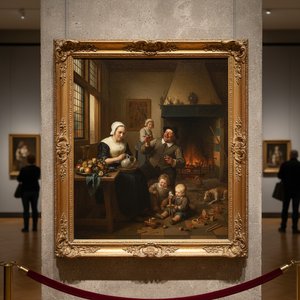
Genre Painting: A Window into Daily Life & Societal Values of the Dutch Golden Age
Explore the captivating world of Dutch Golden Age genre painting! Discover realistic depictions of daily life, masterful artists like Ostade & Metsu, and hidden symbolism. Learn about this influential art movement with OriginalUniqueArt.
