

 미리보기
미리보기
 공유하기
공유하기 공유하기
공유하기
 상세 정보
상세 정보

 다운로드
다운로드
 유사 작품
유사 작품 X-레이
X-레이 슬라이드 쇼
Autorretrato con monos


 더 보기
더 보기
지클레 / 아트 프린트
빠른 제작과 다양한 마감 옵션을 제공하는 박물관 품질의 지클레이 또는 캔버스 프린트. ( 손으로 그린 그림 구매 이미지 구매)




P118B $10

P118H $10

P118W $10

P438Z $10

P508JH $12

P508YH $12

P805H $10

P805Z $10

P919BZ $10

P919G $10

P919XJ $10

P959ZH $10

P968JZ $12

W106C $8

W218G $10

W218JH $8

W218Y $10

W307PJ $10

W316G $10

W316PJ $8

W316Y $10

W398PJ $8

W4111J $10

W500HY $15

W500JH $15

W692G $12

W849H $8

W940BG $15

W953PJ $8




작품의 원본 비율을 유지하는 미리 설정된 크기 중에서 선택하세요.

특정 프레임이나 공간에 맞춰 직접 치수를 입력하실 수 있습니다. 선택하신 사이즈가 원본 이미지의 비율과 일치하지 않을 경우, 작품을 크롭(자르기)하거나 이미지를 대칭 또는 단색 채우기로 확장하여 제작합니다. 제작 시작 전, 최종 확인을 위해 디지털 목업이 전송됩니다.
화면상의 미리보기는 실제 크롭이나 확장 상태를 반영하지 않으므로, 최종 구도는 오직 목업을 통해서만 정확하게 확인하실 수 있습니다.
맞춤 사이즈 제작도 가능하지만, 원본 비율을 유지하기 위해서는 사전 정의된 목록에서 치수를 선택하시는 것을 권장합니다.


 유리 옵션은 110cm 미만 크기에서만 선택 가능합니다.

Autorretrato con monos
지클레 / 아트 프린트
복제본 크기
-


최종 결제 금액
$ 80
A Portrait Steeped in Symbolism: Frida Kahlo’s “Autorretrato con Monos”
Frida Kahlo's "Autorretrato con Monos" (Self-Portrait with Monkeys), completed in 1938, transcends mere representation; it embodies the artist’s profound engagement with her own psyche and a masterful exploration of Surrealist techniques. Painted during a period marked by both physical pain – stemming from polio contracted as a child and exacerbated by a debilitating bus accident – and emotional vulnerability – fueled by turbulent relationships – Kahlo sought to articulate experiences beyond the confines of rational thought, aligning herself squarely within the burgeoning movement spearheaded by André Breton. This self-portrait isn’t simply a depiction of her likeness; it's an invitation into Kahlo’s inner world, meticulously crafted with deliberate symbolism and executed in a strikingly innovative style.Style and Technique: Embracing Surrealist Innovation
Kahlo’s approach to painting departed significantly from academic conventions prevalent at the time. Influenced by Surrealism, she prioritized dreamlike imagery and irrational juxtapositions over realistic observation. The meticulous layering of paint—a technique honed through years of experimentation—creates a textured surface that captures both the physicality of Kahlo's body and the ethereal quality of her subconscious thoughts. Bold brushstrokes define the contours of her face and torso, contrasting sharply with the softer hues employed in the background, establishing a visual hierarchy that directs the viewer’s gaze toward the central figure. Notably, Kahlo utilized encaustic—a technique combining beeswax resin and pigment—adding depth and luminosity to the canvas, enhancing the overall impression of artistic virtuosity.Historical Context: Navigating Trauma and Artistic Expression
“Autorretrato con Monos” emerged during a pivotal moment in Kahlo’s life – shortly after her husband Diego Rivera had begun an affair with her sister Cristina. The accident that shattered her spine—resulting in lifelong disability—served as a catalyst for introspection and artistic transformation. Breton's Surrealist manifesto championed the liberation of imagination from logical constraints, encouraging artists to tap into the realm of dreams and unconscious desires. Kahlo embraced this ethos wholeheartedly, recognizing it as a means of confronting her suffering and articulating emotions that defied verbal articulation. The painting reflects not only Kahlo’s personal anguish but also the broader anxieties surrounding identity, trauma, and resilience prevalent in post-war Europe.Symbolism: Monkeys as Embodiments of Instinct and Transformation
The inclusion of five monkeys—a deliberate choice by Kahlo—is laden with symbolic significance. Monkeys are frequently interpreted as representing instinctual impulses, primal desires, and the untamed aspects of human nature. Their presence in the portrait underscores Kahlo’s awareness of her own vulnerabilities and challenges conventional notions of femininity. Furthermore, monkeys symbolize transformation – mirroring Kahlo's journey from physical limitation to artistic liberation. They gaze directly at the viewer, disrupting the established visual narrative and prompting contemplation about perception and representation. The monkeys' playful postures contrast with Kahlo’s solemn expression, creating a dynamic tension that encapsulates the complexities of her emotional state.Emotional Impact: A Window into Inner Turmoil
“Autorretrato con Monos” resonates powerfully with viewers due to its unflinching honesty and masterful conveyance of emotion. Kahlo doesn’t shy away from portraying her pain—evident in the subtle distortions of her facial features—but simultaneously imbues the painting with a sense of resilience and defiance. The luminous encaustic technique contributes to an atmosphere of melancholic beauty, capturing the essence of Kahlo's inner landscape. Ultimately, this self-portrait serves as a testament to the transformative power of art – demonstrating how confronting personal trauma can yield profound insights into the human condition and inspire enduring artistic expression. It remains a captivating emblem of Surrealist innovation and Frida Kahlo’s unwavering commitment to articulating experiences beyond conventional boundaries.작가 약력
파란 집의 고통과 열정: 프리다 칼로, 삶에 녹아든 예술
프리다는 멕시코 현대 미술에서 빼놓을 수 없는 거장이자, 그녀의 삶 자체가 한 편의 드라마와 같았던 인물입니다. 1907년 7월 6일, 멕시코 코요아칸의 ‘파란 집’(La Casa Azul)에서 태어난 프리다는 독일계 아버지 길레르모 칼로와 메스티소 혈통의 어머니 마틸데 칼데론 사이에서 세 번째 딸로 태어났습니다. 어린 시절 폴리오를 앓으며 한쪽 다리가 불편해진 그녀는 아버지의 격려 아래 스포츠 활동에 적극적으로 참여하며 강인한 체력을 길렀습니다. 하지만 18세, 운명적인 버스 사고는 그녀의 삶을 송두리째 바꿔놓았습니다. 척추와 골반 등 온몸이 심각하게 부상당한 프리다는 오랜 시간 병마와 싸워야 했고, 고통스러운 회복 과정에서 그림은 그녀에게 위안이자 표현의 도구가 되었습니다. 침대에 누운 채 캔버스에 자신을 투영하며 시작된 자화상은 곧 그녀 예술 세계의 핵심이 되었으며, 육체적 고통과 정신적 불안을 솔직하고 강렬하게 드러내는 독창적인 작품 세계를 구축하는 기반이 됩니다.고통 속에서 피어난 자아 초상: 예술적 진화
프리다의 그림은 단순한 자기 초상이 아닙니다. 그녀는 자신의 육체와 감정을 가감 없이 드러내며, 고통과 상실, 정체성 혼란 등 삶의 어두운 면을 대담하게 그려냈습니다. 멕시코 전통 민속 예술의 강렬한 색채와 상징성을 차용하면서도 유럽 회화 기법을 능숙하게 활용하여 독특하고 매혹적인 스타일을 완성했습니다. 특히 그녀의 자화상에는 반복적으로 등장하는 나비, 앵무새, 원숭이 등의 동물이 나타나는데, 이는 프리다 자신의 복잡한 내면세계를 상징하며 작품에 깊이를 더합니다. 또한, 그녀는 남편 디에고 리베라와의 파란만장했던 결혼 생활과 관련된 감정을 그림 속에 투영하여 더욱 강렬하고 개인적인 메시지를 전달합니다. 1939년 발표된 <두 프리다>는 이혼 후 자신의 양면성을 드러내는 대표작으로, 두 개의 심장을 연결하는 혈관을 통해 복잡한 내면의 갈등과 고독을 표현했습니다.멕시코 정신과 여성의 목소리: 시대적 의미
프리다는 단순한 예술가를 넘어 멕시코 문화 부흥기의 중요한 인물이었습니다. 그녀는 멕시코 전통 의상인 테후아나 복장을 즐겨 입고, 화려한 장신구와 머리 장식을 통해 자신의 멕시코 정체성을 적극적으로 드러냈습니다. 이는 당시 서구 문물의 영향력 아래 놓여 있던 멕시코 문화에 대한 자긍심을 고취하고 민족주의적 감정을 불러일으키는 데 기여했습니다. 또한, 프리다는 여성의 삶과 경험을 솔직하게 그려내며 당시 사회에서 소외되었던 여성들의 목소리를 대변했습니다. 그녀의 작품은 여성의 육체와 정체성, 그리고 고통과 강인함에 대한 새로운 시각을 제시하며 페미니즘 운동에 큰 영향을 미쳤습니다.영원히 빛나는 예술적 유산
프리다는 1954년 7월 13일, 47세의 젊은 나이로 세상을 떠났지만, 그녀의 예술과 삶은 여전히 수많은 사람들에게 영감을 주고 있습니다. 그녀의 작품은 전 세계 주요 미술관에 소장되어 있으며, 끊임없이 전시회를 통해 대중에게 감동을 선사하고 있습니다. 또한, 프리다는 팝 컬처 아이콘으로 자리 잡으며 패션, 영화, 음악 등 다양한 분야에서 그녀의 이미지를 차용하고 있습니다. 그녀의 삶과 예술은 고통과 역경 속에서도 희망을 잃지 않고 자신만의 목소리를 내는 용기를 보여주는 상징이 되었으며, 앞으로도 오랫동안 전 세계 사람들에게 깊은 감동과 영감을 선사할 것입니다.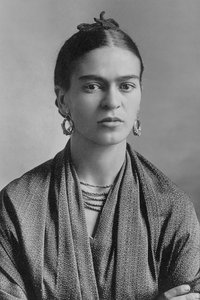
프리다 칼로
1907 - 1954 , 멕시코
주요 정보
- 국적: 멕시코
- 대표 작품:
- 두 프리다
- 가시 목걸이를 한 자화상
- 부러진 기둥
- 헨리 포드 병원
- 영향을 받은 예술가/사조:
- 키친오 예술가
- 페미니스트 예술가
- 영향을 준 화가: ['디에고 리베라']
- 예술 사조: 초현실주의, 민속 예술
- 전체 이름: 프리다 카를로
- 출생일: 1907년 7월 6일
관련 기사 더 보기
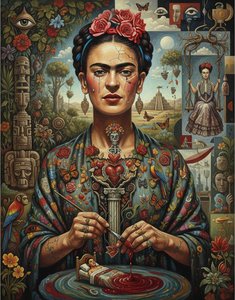
Frida Kahlo: A Life Painted – Surrealism, Identity & Autobiographical Narrative
Explore the life & art of Frida Kahlo – a journey through surrealism, identity, pain, and resilience. Discover her autobiographical masterpieces & lasting feminist legacy with OriginalUniqueArt.
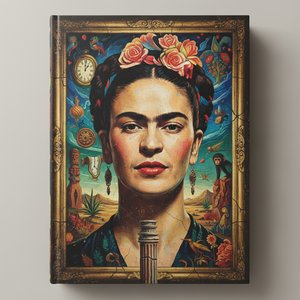
Unveiling Frida Kahlo: A Journey Through Her Most Iconic Masterpieces and the Soul of Mexican Surrealism
Embark on a profound journey through Frida Kahlo's most iconic masterpieces. Discover the deep symbolism, Mexican heritage, and resilient spirit behind her legendary works in this expert art-historical exploration designed for true art enthusiasts.
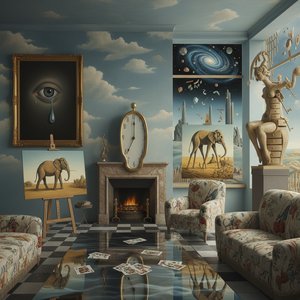
초현실주의를 정의한 10대 걸작: 꿈과 현실의 경계를 넘어서
초현실주의 미술의 정수를 담은 10대 걸작을 만나보세요! 마그리트, 달리 등 거장의 작품 비하인드 스토리와 예술적 의미를 탐구하고, 꿈결 같은 분위기를 당신의 공간에. OriginalUniqueArt.com에서 명품 아트 프린트를 찾아 지금 바로 경험하세요.
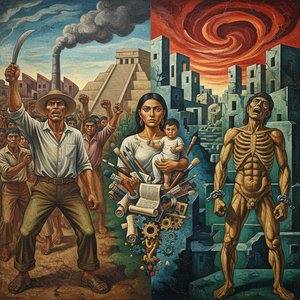
Revolution on Canvas: Exploring the Socio-Political Power & Artistic Legacy of Mexican Muralism
Explore the powerful world of Mexican muralism! Discover Diego Rivera, Frida Kahlo & Orozco's revolutionary art, social impact & lasting legacy. Expert insights & high-quality reproductions at OriginalUniqueArt.

The Inner Landscape: Exploring Themes of Introspection in Visual Art Across Movements & Eras
Explore the captivating world of introspective art! Discover how artists across eras – from Rembrandt to Kahlo – used self-portraiture to reveal their inner worlds and emotional depths. A journey through art history & psychology.



