
 미리보기
미리보기
 공유하기
공유하기 공유하기
공유하기
 상세 정보
상세 정보 가이드 보기

 다운로드
다운로드
 유사 작품 더 보기
 X-레이
X-레이 슬라이드 쇼 보기
 질의응답
질의응답 통계 정보
통계 정보The New Boy
 더 보기
더 보기
지클레 / 아트 프린트
빠른 제작과 다양한 마감 옵션을 제공하는 박물관 수준의 지클레이 및 캔버스 프린트. ( 수작업 채색 복제본 주문하기 디지털 이미지로 전환)




































작품의 원본 비율을 그대로 유지하는 프리셋 사이즈 중에서 선택해 보세요.

액자나 벽면 크기에 맞춰 필요한 가로와 세로 길이를 입력해 주세요. 프린트는 원본 이미지보다 크게 제작할 수 없으며 오직 자르는 것만 가능하므로, 비율이 다른 사이즈를 선택할 경우 이미지의 일부가 잘려 나갈 수 있습니다. 인쇄 작업에 들어가기 전, 최종 확인을 위해 디지털 목업을 보내드립니다. 이 페이지에 표시된 이미지는 실제 잘리는 영역을 나타내지 않으며, 오직 목업을 통해서만 정확한 확인이 가능합니다.


 유리 옵션은 110cm 미만 크기에서만 선택 가능합니다.

The New Boy
지클레 / 아트 프린트
복제본 크기
-


최종 결제 금액
₩ 108616
작가 정보
The Soul of Victorian Realism: The Life and Legacy of Frederick Walker
In the vibrant, often turbulent landscape of mid-Victorian England, few artists captured the quiet dignity and poignant struggles of the common person as masterfully as Frederick Walker. A central figure in the social realist movement, Walker possessed a rare ability to transform the mundane details of everyday life into profound narratives of human emotion. Born in London in 1840, the son of a jeweler, Walker’s journey was one of self-driven passion and disciplined craftsmanship. His early years were marked by a precocious talent for mimicry, as he taught himself the intricacies of pen and ink by copying prints, often finding solace and inspiration within the halls of the British Museum. This foundational period of intense observation would later become the hallmark of his mature style, allowing him to render the textures of rural life and urban hardship with an almost tactile intimacy.
Walker’s professional ascent was characterized by a seamless blend of fine art and commercial illustration, a duality that defined much of the nineteenth-century British art scene. After brief forays into architecture and formal training at the Royal Academy and James Mathews Leigh's art school, he entered an apprenticeship as a wood engraver under Josiah Wood Whymper. It was within this rigorous environment of printmaking that Walker forged lasting bonds with contemporaries like George Pinwell and J.W. North, creating a creative circle that would influence the direction of British genre painting. His rise to prominence was accelerated by his prolific work for popular periodicals such as Cornhill Magazine and Once a Week. Through these much-read journals, Walker’s illustrations reached a vast audience, earning him the admiration of literary giants like William Thackeray, for whom he provided evocative drawings that breathed life into serialized fiction.
Mastery of Narrative and Technique
The brilliance of Walker’s work lies in his ability to weave complex emotional layers into seemingly simple scenes. Whether working in the delicate medium of watercolor or the robust depth of oils, his technique was always at the service of the story. He moved beyond mere illustration, elevating the status of "genre painting"—the depiction of everyday life—to a level of high art. His compositions often utilized a soft, atmospheric light that lent a sense of nostalgia and tenderness to his subjects, even when depicting scenes of poverty or loss. This mastery earned him the profound respect of his peers; indeed, Sir John Everett Millais famously described him as "the greatest artist of the century."
His thematic repertoire was vast, ranging from:
- Rural Nostalgia: Evocative depictions of the English countryside and the rhythms of agricultural life.
- Social Commentary: Poignant observations on the lives of the working class, capturing both their hardships and their moments of quiet resilience.
- Narrative Depth: Scenes that suggest a larger story unfolding just beyond the frame, inviting the viewer to contemplate the characters' histories and futures.
A Lasting Impression on British Art
Though his life was tragically short, ending in 1875 at the age of only thirty-five, Frederick Walker left an indelible mark on the trajectory of British art. He bridged the gap between the meticulous detail of the Pre-Raphaelites and a more modern, emotive realism that focused on the social fabric of the era. His influence can be seen in the way subsequent generations of artists approached the dignity of the subject matter, moving away from idealized romanticism toward a more honest engagement with the human condition.
Today, Walker is remembered not merely as an illustrator for popular magazines, but as a profound chronicler of his age. His ability to find beauty in the humble and tragedy in the ordinary ensures that his work remains deeply resonant. To view a Walker painting is to step into a world where every shadow holds a secret and every face tells a story of endurance, making him a true master of the Victorian soul.
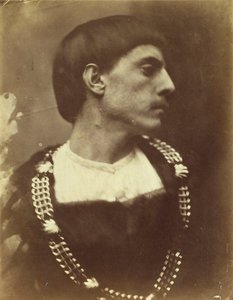
Frederick Walker
1840 - 1875 , United Kingdom
작가 정보 요약
- Artistic Movement Or Style: Social realism
- Date Of Birth: 1840
- Date Of Death: 1875
- Full Name: Frederick Walker
- Nationality: British
- Notable Artworks: ['The Harbour of Refuge']
- Place Of Birth: London, United Kingdom