

 실제 크기로 보기
 보내기
보내기 공유하기
공유하기
 상세 보기
상세 보기 가이드 보기

 이미지 다운로드
 유사 작품 더 보기
 X-레이
X-레이 슬라이드 쇼 보기
 통계 정보
통계 정보Autumn
 Oil On Canvas
- WallArt
- Hudson River School
 1875
1875- 19th Century
 39.0 x 61.0 cm
 테시엔 본헤르메스자 박물관
 상세 보기
상세 보기
지클레 / 아트 프린트
빠른 제작과 다양한 마감 옵션을 선택할 수 있는 박물관 수준의 지클레이 및 캔버스 프린트. ( 수작업 채색 복제본 주문하기 디지털 이미지 판매 채널로 전환)




P118B ₩10

P118H ₩10

P118W ₩10

P438Z ₩10

P508JH ₩12

P508YH ₩12

P805H ₩10

P805Z ₩10

P919BZ ₩10

P919G ₩10

P919XJ ₩10

P959ZH ₩10

P968JZ ₩12

W106C ₩8

W218G ₩10

W218JH ₩8

W218Y ₩10

W307PJ ₩10

W316G ₩10

W316PJ ₩8

W316Y ₩10

W398PJ ₩8

W4111J ₩10

W500HY ₩15

W500JH ₩15

W692G ₩12

W849H ₩8

W940BG ₩15

W953PJ ₩8




작품의 원본 비율을 그대로 유지하는 프리셋 사이즈 중에서 선택해 보세요.

액자나 벽면 크기에 맞춰 필요한 가로와 세로 길이를 입력해 주세요. 프린트는 원본 이미지보다 크게 제작할 수 없으며 오직 자르는 것만 가능하므로, 비율이 다른 사이즈를 선택할 경우 이미지의 일부가 잘려 나갈 수 있습니다. 인쇄 작업에 들어가기 전, 최종 확인을 위해 디지털 목업을 보내드립니다. 이 페이지에 표시된 이미지는 실제 잘리는 영역을 나타내지 않으며, 오직 목업을 통해서만 정확한 확인이 가능합니다.


 유리 옵션은 110cm 미만 크기에서만 선택 가능합니다.

Autumn
지클레 / 아트 프린트
복제본 규격
-


총 결제 금액
₩ 109181
A Symphony in Ochre and Azure: Exploring Frederic Edwin Church’s Autumn
The painting “Autumn,” executed by Frederic Edwin Church in 1875, stands as a testament to the Hudson River School's unwavering devotion to capturing the sublime beauty of the American wilderness. More than just a depiction of a picturesque landscape, it embodies a profound philosophical contemplation on mortality and regeneration—themes deeply rooted in Victorian sensibilities and subtly interwoven into Church’s masterful artistic vision.Subject Matter and Composition
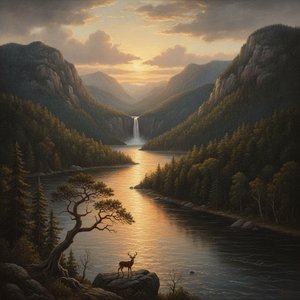
Church meticulously rendered a panoramic vista overlooking Seneca Lake in New York State. Dominating the scene is a majestic river winding its way through a densely populated forest, reflecting the fiery hues of a setting sun. Scattered amongst the trees are prominent rocks and boulders, anchoring the composition and providing textural contrast against the flowing water. Notably, perched atop one of these rocks is a solitary bird—a deliberate inclusion that serves as a poignant symbol of resilience and hope amidst the encroaching darkness of autumn. The artist’s careful attention to detail ensures every element contributes to the overall impression of serene grandeur.Style and Technique: Luminism Elevated
Church's approach aligns perfectly with Luminism, an artistic movement characterized by its emphasis on diffused light and atmospheric perspective—techniques pioneered by Thomas Cole and championed by Church himself. Unlike Impressionists who sought to capture fleeting moments of sensory experience, Church aimed for a more contemplative portrayal of nature’s enduring power. He achieved this through painstaking layering of thin glazes applied over a textured underpainting, meticulously blending colors to create an illusion of depth and luminosity. The resulting surface possesses remarkable brilliance, capturing the ethereal glow of twilight and conveying the palpable warmth of the fading sun.Historical Context: Victorian Romanticism’s Embrace of Nature
“Autumn” emerged during the height of Victorian Romanticism—a period marked by a fervent belief in emotion and imagination as pathways to spiritual understanding. Artists like Church wrestled with existential questions concerning humanity's place within the cosmos, seeking solace and inspiration in the grandeur of God’s creation. The painting reflects this intellectual climate through its symbolic representation of decay followed by rebirth—mirroring the cyclical rhythms of nature and offering a comforting reassurance that beauty persists even amidst inevitable decline. Furthermore, Church’s work coincided with burgeoning scientific interest in geology and botany, influencing his artistic choices and reinforcing his conviction in portraying landscapes accurately while simultaneously conveying their emotional resonance.Symbolism: Light, Darkness, and Renewal
The dominant color palette—ochre yellows and azure blues—is deliberately symbolic. The golden light of the sunset represents divine illumination and signifies the promise of eternal life, countering the encroaching darkness that symbolizes mortality. However, Church doesn’t present darkness as solely negative; rather, it serves as a backdrop against which the bird's presence illuminates the enduring spirit of nature. This juxtaposition underscores the Victorian preoccupation with themes of death and resurrection—a cornerstone of spiritual belief during the era.Emotional Impact: A Balm for the Soul
“Autumn” transcends mere visual representation; it aspires to evoke profound emotional responses in the viewer. The painting’s tranquil atmosphere invites contemplation, prompting reflection on the beauty of impermanence and reaffirming faith in a benevolent Creator. Its luminous quality imbues the scene with warmth and serenity—a comforting reminder that even as seasons change and life diminishes, nature continues its ceaseless cycle of renewal. Collectors and interior designers alike recognize “Autumn”’s enduring appeal precisely because it captures not just a landscape but also an intangible essence of human experience – a timeless meditation on beauty, faith, and the cyclical rhythms of existence.질의응답
프레데릭 에드윈 처치의 "Autumn"의 정서적 분위기는 어떠한가요?
프레데릭 에드윈 처치의 "Autumn"에 기록된 정서적 톤은 Calm입니다. 이는 작품이 표현하는 감정을 요약한 것입니다.
"Autumn" 작품은 어떤 사이즈로 출력하는 것을 추천하시나요?
"Autumn" 작품은 Large 인쇄 크기를 권장합니다. 동일한 비율의 다른 사이즈로도 제작 가능합니다.
프레데릭 에드윈 처치의 "Autumn"의 색감은 얼마나 강렬한가요?
프레데릭 에드윈 처치의 "Autumn"은(는) Balanced 색채 강도를 보여줍니다.
작가 소개
미국 풍경화의 선구자: 프레데릭 에드윈 처치의 삶과 예술
프레데릭 에드윈 처치(Frederic Edwin Church, 1826-1900)는 19세기 미국 미술계에 등장한 혁신적인 풍경화가였다. 코네티컷 주 하트포드에서 태어난 그는 청교도 개척자 혈통을 이어받았으며, 유복한 가정 환경 덕분에 당시 예술가를 위한 드물게 안정적인 기반을 마련할 수 있었다. 이러한 경제적 여유는 처치가 자신의 예술적 열정에 전념하는 데 큰 도움이 되었고, 결국 그를 허드슨 강파 화가 그룹의 가장 중요한 인물 중 한 명으로 만들었다. 그의 초기 훈련은 18세에 토마스 콜(Thomas Cole)에게 시작되었는데, 콜은 이 독특한 미국 미술 운동의 창시자였다. 뉴욕 주 캐츠킬에서 보낸 형성기 동안 처치는 자연에 대한 깊은 경외심과 그 장엄함을 캔버스에 담으려는 의지를 갖게 되었다. 이 수련 과정은 단순한 기술 연마가 아니었다. 그것은 풍경을 단순히 배경이 아닌 신성의 반영이자 국가적 정체성의 상징으로 보는 철학에 대한 몰입이었다.대가의 탄생: 스타일과 영향
처치는 동시대 화가들과 구별되는 뛰어난 능력을 통해 세밀한 사실주의와 낭만적인 감성을 결합했다. 그의 그림은 놀라운 디테일 수준을 특징으로 하며, 나뭇잎의 질감, 물에 반사되는 빛의 변화, 산의 웅장한 규모를 숨 막힐 듯 정확하게 포착한다. 그러나 이것은 단순한 사진적 재현이 아니었다. 처치는 광범위한 파노라마 시점, 생생한 색상 팔레트, 탁월한 대기 원근법을 사용하여 작품에 극적인 요소를 불어넣었다. 그는 알렉산더 폰 훔볼트(Alexander von Humboldt)의 과학적 탐구에 깊은 영향을 받았는데, 훔볼트의 자연의 상호 연결성에 대한 글쓰기는 화가에게 큰 공감을 불러일으켰다. 이러한 영향력은 처치가 나중에 남아메리카로 떠난 원정에서 분명하게 드러나며, 그는 이 풍경들의 시각적 아름다움뿐만 아니라 그 근본적인 지질학적 및 식물학적 복잡성을 전달하려고 노력했다. 1836년에 완성된 <옥스보(The Oxbow)>는 관찰과 상상력의 이러한 통합을 보여주는 초기 증거이며, 그의 스타일의 특징이 될 미국 야생에 대한 낭만적인 비전을 제시한다. 그는 “숨겨진” 붓놀이를 사용하여 그림의 사실주의와 광휘를 향상시키는 매끄러운 표면을 만들었다.야생으로의 모험: 여행과 주요 작품
처치의 야망은 뉴잉글랜드와 뉴욕의 익숙한 풍경을 넘어 확장되었다. 지식에 대한 갈증과 훔볼트의 글에서 영감을 받은 그는 세계의 외딴 구석으로 대담한 탐험을 떠났다. 이러한 여정—1853년과 1857년에 남아메리카로, 그리고 나중에는 북극 지역으로—그에게 비할 데 없는 시각적 자료를 제공했다. <안데스 산맥의 심장(Heart of the Andes)>은 아마도 그의 가장 야심찬 작품이며, 안데스 산맥의 전체 생태계를 담으려는 기념비적인 캔버스이다. 이 그림은 특별히 제작된 갤러리에서 전시되었으며, 천창을 통해 조명되어 관람객에게 몰입형 경험을 제공하고 처치의 명성을 예술가뿐만 아니라 뛰어난 쇼맨으로 확고히 했다. 그 후 북극 여행에서 영감을 받은 일련의 그림들, 예를 들어 <북극의 빙산(Icebergs: The North)>은 그의 다양성과 어려운 주제에 대한 의지를 보여주었다. 이 작품들은 단순한 외딴 풍경의 묘사가 아니었다. 그것들은 자연의 힘과 연약함에 대한 진술이었으며, 19세기 중반에 커져가는 환경 의식을 반영했다.미국 미술에 대한 유산과 영향
프레데릭 에드윈 처치의 미국 풍경화에 대한 영향은 부인할 수 없다. 그는 장르를 새로운 수준의 예술적 성취와 대중적인 인정을 끌어올렸으며, 자연의 아름다움과 웅장함을 탐구하도록 영감을 주었다. 그의 혁신적인 전시 관행—단일 그림을 극적인 환경에서 제시하는 것—미래 미술 디스플레이에 선례를 남겼고 예술에 대한 더 넓은 대중적 감사를 키우는 데 도움이 되었다. 처치는 그림 외에도 나이아가라 폭포의 보존을 옹호하고 국립공원 설립에 참여한 헌신적인 환경 보호론자였다. 그는 예술이 환경 문제에 대한 인식을 높이고 행동을 촉구하는 강력한 도구가 될 수 있음을 이해했다. 그의 집인 올라나(Olana)는 그가 직접 설계하고 건설했으며 허드슨 강을 내려다보고 있으며, 그의 예술적 비전과 풍경과의 깊은 연결을 증명한다.- 처치의 작품은 낭만주의와 사실주의 사이의 격차를 해소했다.
- 그는 관객을 사로잡은 몰입형 전시 기술을 개척했다.
- 그의 보존 옹호는 현대 환경 운동을 예견했다.

프레데릭 에드윈 처치
1826 - 1900 , 미국
작가 정보 요약
- 국적: 미국인
- 사망일: 1900년 4월 7일
- 영향을 받은 예술가: ['미국 풍경화']
- 영향을 준 예술가:
- 토머스 콜
- A. 폰 훔볼트
- 예술 사조: 허드슨 강파
- 이름: 프레데릭 에드윈 처치
- 주요 작품:
- 옥스보
- 마운트 홀리오크
- 안데스의 심장
- 출생일: 1826년 5월 4일
- 출생지: 하트포드, 미국
관련 기사
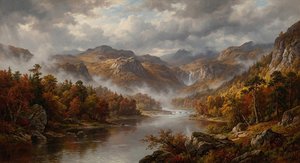
하슬러 강 화파 걸작 10선: 허드슨 강을 담은 미국의 낭만 (와후아트)
미국 낭만주의의 정수, 허드슨 강 화파 걸작 10선을 만나보세요. 토마스 콜부터 프레더릭 처치까지, 자연과 예술이 조화로운 풍경화를 통해 시간을 초월하는 아름다움을 경험하세요. 와후아트에서 고품질 미술 복제와 인테리어 영감을 얻으세요! 지금 바로 온라인 컬렉션을 둘러보세요.
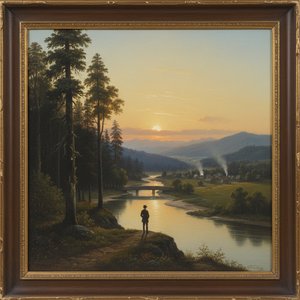
Robert Spencer: Luminism, Narrative & the American Landscape Tradition
Explore the captivating world of Luminism & the Hudson River School with our expert analysis. Discover the history, artists, and enduring beauty of 19th-century American landscape painting. Find museum-quality reproductions at OriginalUniqueArt.
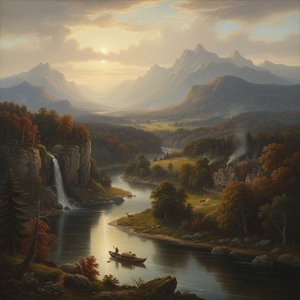
Capturing the American Spirit: A Journey Through Iconic Landscapes and the Legacy of the Hudson River School
Explore the profound beauty of American art history. From the Hudson River School to iconic landscapes, discover a curated journey through the masterpieces that defined a nation's spirit and the enduring legacy of American Romanticism.
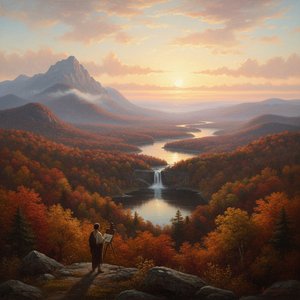
The Sublime Landscape: Exploring the Hudson River School Movement
Explore the captivating world of the Hudson River School! Discover the history, artists, and defining characteristics of this iconic American art movement. Learn about Romanticism's influence & find inspiration for your collection.
Epic Landscapes & Wild Nature: The Power of the Hudson River School's Sublime Artistry
Explore the breathtaking power of the Hudson River School. Journey through epic American landscapes, from Thomas Cole's sublime vistas to Luminist light, and discover how these timeless masterpieces continue to inspire modern collectors and art lovers worldwide.

