실제 크기로 보기
 보내기
보내기 공유하기
공유하기
 상세 보기
상세 보기 가이드 보기

 이미지 다운로드
 유사 작품 더 보기
 X-레이
X-레이 슬라이드 쇼 보기
 통계 정보
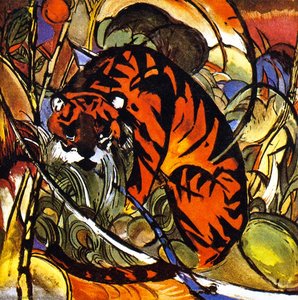
통계 정보Resting Horses
 Painting
- WallArt
- German Expressionism
 Modern
 41.0 x 29.0 cm
 프란츠 마르크 미술관
 상세 보기
상세 보기
핸드메이드 유화 복제화
작가가 직접 캔버스에 손으로 그린 유화 작품으로, 원하는 크기와 액자로 맞춤 제작해 드립니다. ( 프린트 판매로 전환 디지털 이미지 판매 채널로 전환)




P118B ₩10

P118H ₩10

P118W ₩10

P438Z ₩10

P508JH ₩12

P508YH ₩12

P805H ₩10

P805Z ₩10

P919BZ ₩10

P919G ₩10

P919XJ ₩10

P959ZH ₩10

P968JZ ₩12

W106C ₩8

W218G ₩10

W218JH ₩8

W218Y ₩10

W307PJ ₩10

W316G ₩10

W316PJ ₩8

W316Y ₩10

W398PJ ₩8

W4111J ₩10

W500HY ₩15

W500JH ₩15

W692G ₩12

W849H ₩8

W940BG ₩15

W953PJ ₩8




작품의 원본 비율을 그대로 유지하는 프리셋 사이즈 중에서 선택해 보세요.

액자나 벽면 크기에 맞춰 필요한 가로와 세로 길이를 입력해 주세요. 본 작품은 수작업으로 제작되므로, 요청하신 비율에 따라 작가가 그림의 가장자리를 조금 더 넓게 그리거나 일부를 조정하여 작업할 수 있습니다. 작업 시작 전, 최종 확인을 위해 디지털 목업 이미지를 보내드립니다. 이 페이지에 표시된 이미지는 실제 결과물과 다를 수 있으며, 오직 목업 이미지만이 정확한 결과물을 보여줍니다.
주문 완료 후 OriginalUniqueArt.com 팀에서 상세 안내를 위해 고객님께 이메일을 보내드리며, 미리보기 시안을 함께 제공해 드립니다.


 유리 옵션은 110cm 미만 크기에서만 선택 가능합니다.

Resting Horses
재현 매체
복제본 규격
-


총 결제 금액
₩ 406326
A Symphony of Blue and Green: The Spiritual Essence of Resting Horses
In the realm of German Expressionism, few works capture the quietude of the natural world with as much profound spiritual depth as Franz Marc’s “Resting Horses.” This masterpiece serves as a window into a soul seeking harmony, moving far beyond a mere depiction of animals to offer a meditative experience. The painting presents three horses nestled peacefully upon a grassy hillside, their forms bathed in a soothing palette of muted blues and greens. Rather than striving for the meticulous accuracy of academic realism, Marc utilizes a distinctive style characterized by bold simplification. Through the use of geometric forms and abstracted planes of color, he reduces organic shapes to their most essential elements, allowing the viewer to bypass the superficial surface of reality and connect directly with the emotional essence of the scene.
The technique employed in this work reflects Marc’s deep-seated belief that art could serve as a vehicle for accessing the divine. Influenced by the expressive energy of Vincent van Gogh, Marc’s brushwork and color choices prioritize intensity and feeling over literal detail. The composition is a masterclass in balance, where the heavy, rhythmic presence of the equine figures creates a sense of grounded stability, while the ethereal blue tones suggest a realm of higher consciousness. For the discerning collector or interior designer, this piece offers more than just visual beauty; it provides a focal point of tranquility that can transform a modern space into a sanctuary of contemplation.
Symbolism and the Emotional Resonance of Color
To gaze upon “Resting Horses” is to engage with a complex language of symbolism. For Marc, animals were not merely subjects but vessels of primal forces—representing vitality, instinct, and an uncorrupted connection to the earth. The horses themselves embody a state of grace and innocence that he believed humanity had lost amidst the anxieties of modernity. Every hue in the painting is a deliberate choice designed to evoke specific spiritual truths. The predominant blues and greens are not merely descriptive of a landscape; they symbolize tranquility, harmony, and a serene connection to the natural world, yet they also carry a subtle, underlying melancholy that speaks to the existential questions of life and mortality.
The historical context of this work, emerging from the avant-garde fervor of Munich, adds a layer of profound significance. As part of a movement reacting against the perceived superficiality of bourgeois culture, Marc’s work seeks to confront the psychological turmoil of his era through the lens of nature's purity. This creates an emotional impact that is both soothing and deeply moving. The painting invites the viewer to escape the pressures of daily existence and rediscover a sense of peace found in simplicity. Whether displayed as a high-quality reproduction in a private gallery or as a centerpiece in a thoughtfully curated interior, “Resting Horses” continues to resonate with anyone who appreciates the power of art to touch the human spirit and bridge the gap between the physical and the divine.
질의응답
프란츠 마크의 "Resting Horses"의 느껴지는 밝기는 어느 정도인가요?
시각적 밝기 측면에서 볼 때, 프란츠 마크의 "Resting Horses"은(는) brilliant 수준입니다.
"Resting Horses"을(를) 정의하는 팔레트와 주된 색상은 무엇인가요?
프란츠 마크의 "Resting Horses"은(는) Neutrals 색조의 팔레트를 사용하며, Phthalo Green (#203f39)이(가) 주된 색상을 이룹니다.
"Resting Horses"의 색감은 강렬한 편인가요, 아니면 부드러운 편인가요?
"Resting Horses"의 색채 강도는 Balanced입니다. 강도는 색상이 얼마나 선명하게 보이는지를 나타냅니다.
작가 소개
Franz Marc (1880-1916): Pioneer of German Expressionism and the Soulful Vision of Color
Franz Moritz Wilhelm Marc, born on February 8, 1880, in Munich, was a painter whose brief but intensely focused career irrevocably altered the course of German Expressionism. His story is one of profound spiritual seeking translated into a vibrant visual language—a quest to understand the essence of life through the purity he found in the natural world, particularly within the animal kingdom. Initially influenced by his father, Wilhelm Marc, a landscape painter who instilled in him a love for observation and detail, young Franz’s artistic path wasn't immediately certain. He briefly contemplated theology, grappling with questions of faith and existence before ultimately dedicating himself to art at the Academy of Fine Arts in Munich—a decision that would shape his entire artistic trajectory. These early explorations into religious thought would remain deeply embedded within his work, informing his belief that art could serve as a conduit for spiritual experience.Early Influences and Artistic Training
Marc’s formative years were marked by exposure to influential artistic figures and movements. His father's dedication to landscape painting instilled in him a fundamental appreciation for the beauty of nature—a perspective that would become central to his artistic vision. Simultaneously, he engaged with the intellectual currents of his time, exploring philosophical ideas alongside literary classics. Notably, he studied theology intensely, driven by a desire to reconcile faith and reason—a preoccupation that would permeate his oeuvre. His enrollment at Munich University provided him with a grounding in humanist thought, while his studies at the Academy of Fine Arts honed his technical skills under esteemed instructors like Gabriel von Hackl and Wilhelm von Diez. These formative experiences established the foundation for his artistic development, shaping his stylistic preferences and intellectual convictions.The Encounter with Van Gogh and the Birth of Expressionism
A pivotal moment in Marc’s artistic evolution arrived during his visits to Paris in 1903 and 1907—experiences that profoundly impacted his worldview and artistic style. He was captivated by Vincent van Gogh's expressive use of color and raw emotion, recognizing in him a kindred spirit who shared his conviction that art could convey profound spiritual truths. Van Gogh’s bold brushstrokes and emotionally charged canvases served as an inspiration, liberating Marc from the constraints of academic naturalism—a liberation that fueled his artistic experimentation. He embraced Impressionist techniques, incorporating loose brushwork and vibrant hues into his compositions—a stylistic shift that signaled a decisive break from traditional conventions. This encounter with Van Gogh solidified his belief in the artist’s role as a conduit for inner experience—a conviction that would become paramount to his artistic endeavors.Der Blaue Reiter: A Philosophical Revolution
Marc's artistic journey culminated in the founding of *Der Blaue Reiter* (The Blue Rider) in 1911 alongside Wassily Kandinsky—a collaborative venture that represented a radical departure from prevailing artistic trends. This journal wasn’t merely a platform for showcasing artwork; it was a manifesto articulating a philosophical revolution aimed at transcending representational art and expressing spiritual truths through abstraction and symbolic color. Marc and Kandinsky envisioned a new aesthetic paradigm rooted in intuition and emotion—a vision that challenged the dominant intellectual currents of their era. They sought to liberate art from the shackles of rational thought, prioritizing feeling over observation—a stance that aligned with Symbolist ideals and foreshadowed the avant-garde movements of the coming decades. *Der Blaue Reiter* became a crucible for artistic innovation, fostering dialogue between artists and disseminating groundbreaking ideas about color theory and spiritual symbolism.Marc’s Artistic Style: Color, Abstraction, and Animal Imagery
Marc's distinctive artistic style is characterized by its masterful manipulation of color—particularly bold hues that conveyed emotional intensity and symbolic meaning. Rejecting Impressionist descriptiveness, he imbued color with spiritual significance—believing it to be capable of communicating profound truths about the human condition. He developed a sophisticated system of color psychology, associating blue with masculinity and spirituality, yellow with femininity and joy—a framework that informed his compositional choices and artistic vision. Furthermore, Marc’s preoccupation with animal imagery—particularly horses, deer, and foxes—became central to his oeuvre—reflecting his conviction that animals embodied innocence, harmony, and a connection to the natural world that humanity had lost. He simplified forms—reducing figures to their essential shapes—emphasizing the underlying spiritual essence he sought to capture—a stylistic hallmark that distinguishes his work from more conventional artistic representations. Paintings like *The Tower of Blue Horses* (1913) exemplify this approach, conveying a sense of awe and reverence for the natural world through striking color palettes and evocative compositions. ## Legacy and Influence Franz Marc’s untimely death in 1916—during the Battle of Verdun—marked the tragic end of a brilliant artistic career but cemented his place as a pivotal figure in modern art history. Despite his brief life span, Marc exerted an enduring influence on subsequent generations of artists—inspiring them to explore abstraction and symbolic color—and fostering a renewed appreciation for the spiritual dimension of artistic expression. His paintings continue to captivate audiences with their emotional depth and philosophical resonance—serving as reminders of the transformative power of art to transcend the material realm and engage with something deeper within the human spirit. Marc’s legacy extends beyond his individual artworks; it resides in his pioneering contribution to German Expressionism—a movement that irrevocably altered the course of artistic history—and in his unwavering belief that art could illuminate the path toward spiritual enlightenment. His work remains a testament to the enduring power of imagination and emotion—a timeless masterpiece that continues to inspire contemplation and wonder.
프란츠 마크
1880 - 1916 , 독일
작가 정보 요약
- Artistic Movement Or Style: 표현주의 예술 운동
- Artists Who Influenced This Artist:
- 빈센트 반 고흐
- 로베르 뒤뇌
- Date Of Birth: 2월 8일
- Date Of Death: 3월 4일
- Full Name: Franz Moritz Wilhelm Marc
- Nationality: 독일인
- Notable Artworks:
- 타호르
- 붉은 사슴
- Place Of Birth: 뮌헨 독일
관련 기사

Franz Marc: Expressionism, Spirituality & the Animal Symbolism of a Modern Master
Explore the profound world of Franz Marc's Expressionist paintings. Discover his spiritual connection to animals, innovative use of color, and lasting impact on modern art history. Learn more at OriginalUniqueArt.
The Noble Steed: A Historical and Artistic Exploration of Horses in Fine Art
Explore the rich history of horses in fine art! From ancient depictions to Renaissance masterpieces & beyond, discover iconic artworks and artists. Learn about symbolism, techniques, and find museum-quality reproductions at OriginalUniqueArt.

German Expressionism's 10 Defining Masterpieces | Art for Your Home
Explore 10 defining German Expressionism masterpieces – from Munch's 'The Scream' to Kandinsky’s abstracts. Discover the artists, stories & bold colors behind this powerful art movement. Find museum-quality reproductions at OriginalUniqueArt.com.
생명의 공간으로: 예술 속 동물 형상의 지속적인 존재와 인테리어 디자인 탐구
예술 속 동물 형상의 깊은 의미와 인테리어 디자인 활용법을 탐구합니다. 기독교 미술의 상징주의부터 현대적인 공간 연출까지, OriginalUniqueArt에서 전문가의 통찰력을 만나보세요.
The Noble Steed on Canvas: A Historical & Artistic Exploration of Horse Painting Across Cultures
Explore the rich history of horse painting! Discover masterpieces from Stubbs to Munnings & learn about symbolism, techniques & artists. Find museum-quality reproductions at OriginalUniqueArt.