
 미리보기
미리보기
 공유하기
공유하기 공유하기
공유하기
 상세 정보
상세 정보 가이드 보기

 다운로드
다운로드
 유사 작품 더 보기
 X-레이
X-레이 슬라이드 쇼 보기
 질의응답
질의응답 통계 정보
통계 정보Virgil's Tomb, Naples

- 31.0 x 22.0 cm


 더 보기
더 보기
지클레 / 아트 프린트
빠른 제작과 다양한 마감 옵션을 제공하는 박물관 수준의 지클레이 및 캔버스 프린트. ( 수작업 채색 복제본 주문하기 디지털 이미지로 전환)




P118B ₩10

P118H ₩10

P118W ₩10

P438Z ₩10

P508JH ₩12

P508YH ₩12

P805H ₩10

P805Z ₩10

P919BZ ₩10

P919G ₩10

P919XJ ₩10

P959ZH ₩10

P968JZ ₩12

W106C ₩8

W218G ₩10

W218JH ₩8

W218Y ₩10

W307PJ ₩10

W316G ₩10

W316PJ ₩8

W316Y ₩10

W398PJ ₩8

W4111J ₩10

W500HY ₩15

W500JH ₩15

W692G ₩12

W849H ₩8

W940BG ₩15

W953PJ ₩8




작품의 원본 비율을 그대로 유지하는 프리셋 사이즈 중에서 선택해 보세요.

액자나 벽면 크기에 맞춰 필요한 가로와 세로 길이를 입력해 주세요. 프린트는 원본 이미지보다 크게 제작할 수 없으며 오직 자르는 것만 가능하므로, 비율이 다른 사이즈를 선택할 경우 이미지의 일부가 잘려 나갈 수 있습니다. 인쇄 작업에 들어가기 전, 최종 확인을 위해 디지털 목업을 보내드립니다. 이 페이지에 표시된 이미지는 실제 잘리는 영역을 나타내지 않으며, 오직 목업을 통해서만 정확한 확인이 가능합니다.


 유리 옵션은 110cm 미만 크기에서만 선택 가능합니다.

Virgil's Tomb, Naples
지클레 / 아트 프린트
복제본 크기
-


최종 결제 금액
₩ 108677
A Glimpse Through Time: The Allure of Virgil's Tomb
To gaze upon this scene is to be transported across the centuries, standing at the precipice where history meets breathtaking natural grandeur. This evocative landscape, capturing the view from near Virgil's Tomb in Naples, speaks directly to the romantic spirit that fueled the Grand Tour. The composition itself is a masterclass in framing; the dramatic cleft between the tomb structure on one side and the rugged outcropping on the other acts as nature’s perfect proscenium arch. It invites the viewer not merely to look, but to step into the moment, feeling the Mediterranean sun warm upon ancient stone.
The Art of Plein-Air Observation
Franz Ludwig Catel, a master observer of light and atmosphere, captured this view with an immediacy that belies its age. While the original sketch served as the foundation for larger works, this piece retains the raw energy of plein-air painting—the practice of working outdoors directly from nature. Notice how the artist has rendered the massive rock face; it seems less like solid stone and more like a geological drama unfolding, with suggestions of collapse adding palpable tension to the scene. The inclusion of foreground trees anchors the viewer in the immediate space, while the distant town nestled below provides a sense of civilization existing harmoniously, yet dwarfed by, the monumental power of the landscape.
Narrative Echoes and Human Presence
The human element is crucial to the painting's emotional resonance. The figure standing near the base acts as our proxy—the thoughtful traveler pausing to absorb the overwhelming scale before him. This small presence against the backdrop of towering rock and sprawling vista emphasizes both the sublime beauty of nature and the contemplative solitude often sought by artists and intellectuals alike. One can almost imagine the intellectual exchange that took place here, perhaps recalling the company of figures like Prince Alexander Nikolaevich Golitsyn, lending the piece a rich tapestry of historical anecdote alongside its visual splendor.
A Touch of Italian Romance for Your Interior
For the discerning collector or designer, this reproduction offers more than just a picture; it offers an atmosphere. The deep blues of the distant sea meeting the ochres and grays of the stone create a palette that is both dramatic and deeply soothing. Imagine this piece adorning a study, a drawing-room corner, or even a sunlit gallery space. It whispers tales of scholarly journeys, artistic inspiration, and the enduring romance associated with classical antiquity. Its captivating scale and narrative depth ensure it will serve as an immediate focal point, lending your space an air of cultivated, worldly elegance.
질의응답
"Virgil's Tomb, Naples"의 작가와 제작 연도는 어떻게 되나요?
"Virgil's Tomb, Naples"은(는) 1818년 Franz Ludwig Catel의 작품입니다.
"Virgil's Tomb, Naples"의 형태와 크기는 어떻게 되나요?
Franz Ludwig Catel의 "Virgil's Tomb, Naples"은(는) 원작 기준 31 x 22 cm 크기의 Portrait 구성입니다.
"Virgil's Tomb, Naples"의 복제 작품은 집 안 어느 공간에 잘 어울릴까요?
Franz Ludwig Catel의 "Virgil's Tomb, Naples"은(는) Living Room에 추천하는 작품입니다. 이 제안은 작품의 주제, 색상 및 분위기를 바탕으로 합니다.
작가 정보
The Artistic Journey of Franz Ludwig Catel
Born in Berlin, Franz Ludwig Catel embarked on a creative odyssey that would eventually lead him to the heart of the Italian art scene. His early artistic endeavors were remarkably diverse, beginning not with a brush, but with the tactile precision of wood carving. This foundational skill in shaping form likely informed his later mastery of composition and structure. As his talents evolved, he transitioned into the delicate realm of book illustration, notably contributing ten plates for Goethe's Heredia and Dorothea in 1799. His progression through various media—from Indian ink to the fluid grace of watercolours—culminated in a significant achievement in 1806, when his large-scale watercolour piece, The Death of Nicholas of Bernau, earned him prestigious admission into the Berlin Academy.
The trajectory of Catel's life was profoundly shaped by his movements through Europe's great cultural capitals. Following his success in Berlin, he traveled to Paris in 1807 to immerse himself in the study of oil painting at the École des Beaux-Arts. This period of formal training provided him with the technical vocabulary necessary to navigate the complexities of light and shadow. However, it was his arrival in Rome in 1812 that would define his career. In the vibrant atmosphere of Italy, Catel became part of a distinguished circle of artists, drawing inspiration and advanced instruction from figures such as Koch, Overbeck, Schadow, and Cornelius. This connection to the new classic school of landscape painting allowed him to refine a style that blended architectural precision with atmospheric depth.
Mastery of Landscape and Genre
Catel’s artistic vision was characterized by an exquisite ability to marry the grandeur of nature with the intimacy of human experience. He found his true calling in landscapes that featured prominent architectural details or figures positioned in the foreground, a technique that often drifted into the realm of genre painting. His works are celebrated for their masterful use of perspective and a profound command over light and shade, creating immersive environments that invite the viewer to step into the scene. Whether capturing the sun-drenched courtyards of rural Italy in First Steps or the sweeping vistas of the Italian countryside, his paintings evoke a sense of harmony and classical balance.
His explorations were not limited to the Roman landscape; a visit to Sicily in 1818 significantly broadened the scope and breadth of his artistic ideas. This exposure to new terrains and light conditions enriched his palette and composition. His ability to capture the essence of a place—be it the nostalgic charm of a Sicilian life in Walk in Palermo or the dramatic, historical allure of Virgil's Tomb, Naples—demonstrates a versatility that resonated with the Romantic spirit of his era. Through his meticulous attention to detail and his ability to evoke emotion through scenery, Catel established himself as a significant voice in the nineteenth-century landscape tradition.

Franz Ludwig Catel
1778 - 1856 , Germany
작가 정보 요약
- Artistic Movement Or Style: Romanticism, New Classic School
- Artists Who Influenced This Artist:
- Koch
- Overbeck
- Schadow
- Cornelius
- Full Name: Franz Ludwig Catel
- Nationality: German
- Notable Artworks:
- First Steps
- View From Ariccia With The Sea
- Walk in Palermo
- Virgil's Tomb, Naples
- Place Of Birth: Berlin, Germany
- Date Of Birth: 1778
- Date Of Death: 1856
관련 콘텐츠

가츠시카 호쿠사이 최고 걸작 25선: 우키요에의 정수를 만나다 | OriginalUniqueArt
가츠시카 호쿠사이의 최고 걸작 25선을 만나보세요. 우키요에, 대판화 기법과 후지산 풍경의 아름다움을 담은 명작들을 감상하고, OriginalUniqueArt에서 고품질 아트 프린트와 인테리어 액자를 찾아보세요. 지금 바로 컬렉션을 탐험하세요!

낭만 풍경화의 황홀! 예술사에 빛난 10대 걸작 탐구 | 와후아트
낭만주의 시대, 예술혼을 불태운 10대 풍경화 걸작! 터너부터 프리드리히까지, 시대를 초월하는 아름다움을 와후아트에서 만나보세요. 고흐의 색채와 코로의 섬세함이 당신의 공간에 영감을 더합니다. 지금 바로 와후아트에서 명품 미술 작품을 감상하고 구매하세요!

존 컨스터블 대표작 25선: 영국 풍경화의 거장, 자연과 감성을 담은 명화 컬렉션 | OriginalUniqueArt
존 컨스터블 대표작 25선을 만나보세요. 영국 풍경화 거장의 자연주의 회화, 데담 밸리의 아름다움과 헤이 웨인의 정취를 담은 명화를 감상하세요. OriginalUniqueArt에서 고품질 예술 작품 복제본을 소장하고 특별한 인테리어를 완성해보세요. 지금 바로 컬렉션을 탐험하세요!

Evocations of Place: A Historical Journey Through Landscape Art
Explore the rich history of landscape art with OriginalUniqueArt. Discover renowned artists, movements like Impressionism & Romanticism, and expert guidance for collecting timeless pieces. Find your perfect serene escape today!
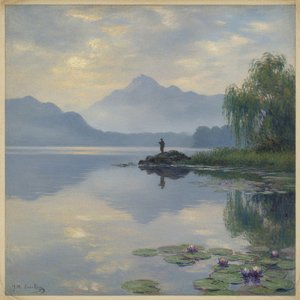
Capturing Stillness: A Curated Exploration of the Most Iconic Lake Landscapes in Art History
Journey through art history's most serene lake landscapes. From Romantic vistas to light-drenched Impressionist waters, discover the stories behind these iconic masterpieces and find museum-quality, hand-painted oil reproductions for your private collection.