

 실제 크기로 보기
 보내기
보내기 공유하기
공유하기
 상세 보기
상세 보기 가이드 보기

 이미지 다운로드
 유사 작품 더 보기
 X-레이
X-레이 슬라이드 쇼 보기
 통계 정보
통계 정보The new city is built on labour... (Design for competition Dresden)
 Acrylic
- WallArt
- German Expressionism
 1952
1952- Modern
 46.0 x 47.0 cm
 바우하우스 드레스라우 미술관
 상세 보기
상세 보기
지클레 / 아트 프린트
빠른 제작과 다양한 마감 옵션을 선택할 수 있는 박물관 수준의 지클레이 및 캔버스 프린트. ( 수작업 채색 복제본 주문하기 디지털 이미지 판매 채널로 전환)




P118B $10

P118H $10

P118W $10

P438Z $10

P508JH $12

P508YH $12

P805H $10

P805Z $10

P919BZ $10

P919G $10

P919XJ $10

P959ZH $10

P968JZ $12

W106C $8

W218G $10

W218JH $8

W218Y $10

W307PJ $10

W316G $10

W316PJ $8

W316Y $10

W398PJ $8

W4111J $10

W500HY $15

W500JH $15

W692G $12

W849H $8

W940BG $15

W953PJ $8




작품의 원본 비율을 그대로 유지하는 프리셋 사이즈 중에서 선택해 보세요.

특정 프레임이나 공간에 맞춰 직접 치수를 입력하실 수 있습니다. 선택하신 사이즈가 원본 이미지의 비율과 일치하지 않을 경우, 작품을 크롭(자르기)하거나 이미지를 대칭 또는 단색 채우기로 확장하여 제작합니다. 제작 시작 전, 최종 확인을 위해 디지털 목업이 전송됩니다.
화면상의 미리보기는 실제 크롭이나 확장 상태를 반영하지 않으므로, 최종 구도는 오직 목업을 통해서만 정확하게 확인하실 수 있습니다.
맞춤 사이즈 제작도 가능하지만, 원본 비율을 유지하기 위해서는 사전 정의된 목록에서 치수를 선택하시는 것을 권장합니다.


 유리 옵션은 110cm 미만 크기에서만 선택 가능합니다.

The new city is built on labour... (Design for competition Dresden)
지클레 / 아트 프린트
복제본 규격
-


총 결제 금액
$ 80
A Vision Forged in Labor: Franz Ehrlich’s “The New City is Built on Labour…”
Franz Ehrlich's 1952 sketch, "The New City is Built on Labour...", isn’t merely a design proposal for a competition in Dresden; it’s a poignant testament to post-war reconstruction and the enduring spirit of a city striving to rebuild itself. Captured with a restrained graphite palette against aged paper, the image possesses an immediate intimacy – as if we've stumbled upon a forgotten blueprint, imbued with the hopes and anxieties of a nation grappling with its past. The drawing depicts a meticulously planned urban landscape, dominated by a central train station flanked by buildings rising towards a clear sky, all anchored by a network of roads and pathways. A prominent locomotive suggests progress and connectivity, while figures – rendered subtly within the composition – hint at the human effort underpinning this ambitious vision.
Ehrlich’s work is deeply rooted in the Bauhaus movement, yet transcends its formal tenets. The influence of geometric precision is evident in the simplified forms of the buildings, reminiscent of Walter Gropius' designs. However, there’s a distinct emotionality present, a sense of melancholy and quiet determination that speaks to the challenges faced by Germany following World War II. The muted tones – primarily shades of grey, accented with hints of brown and ochre – evoke the somber atmosphere of a city scarred by conflict, while simultaneously conveying a profound respect for the materials and the process of construction.
A Master’s Hand: Technique and Materials
Examining the drawing closely reveals Ehrlich's masterful technique. He employs a sophisticated range of hatching and cross-hatching to build up tonal values and create a remarkable sense of depth and texture. The varying line weights – from delicate, almost imperceptible strokes defining fine details to bolder lines delineating larger forms – contribute significantly to the image’s dynamism. The paper itself bears witness to the artist's hand; subtle creases and discoloration suggest years spent in careful consideration and execution. It’s a tangible connection to the creative process, reminding us that art is not simply about finished products but also about the journey of creation.
The choice of graphite as the medium is particularly significant. Graphite offers a remarkable degree of control, allowing Ehrlich to capture both the sharp edges of architectural forms and the softer nuances of human figures. Its ability to create subtle gradations of tone lends itself perfectly to conveying mood and atmosphere – essential elements in this evocative composition. The drawing’s scale—46 x 47 cm— invites close scrutiny, encouraging viewers to appreciate the intricate details and the artist's deliberate choices.
Historical Context: Reconstruction and Remembrance
To fully understand “The New City is Built on Labour…”, it’s crucial to consider its historical context. Created in 1952, shortly after World War II, the drawing reflects Dresden’s arduous process of rebuilding. The city had been almost entirely destroyed by Allied bombing raids, leaving behind a devastated landscape and a shattered population. Ehrlich's design wasn’t just about creating a new urban space; it was about symbolizing hope and renewal – a deliberate act of defiance against the destruction that had ravaged his homeland.
The title itself is profoundly symbolic, underscoring the central role of labor in this reconstruction effort. It speaks to the countless hours spent by workers rebuilding homes, infrastructure, and lives. Furthermore, the inclusion of a train station highlights Dresden’s reconnection with the wider world – a vital step towards economic recovery and cultural exchange. The drawing serves as a powerful reminder of the resilience of the human spirit in the face of adversity.
A Legacy of Vision: Symbolism and Emotional Resonance
Beyond its technical merits, “The New City is Built on Labour…” resonates deeply with viewers due to its inherent symbolism. The train station represents progress and connection, while the figures within the composition embody the collective effort required for rebuilding. The overall mood is one of quiet determination – a sense that despite the devastation, Dresden was determined to forge a new future.
Ehrlich’s work transcends mere architectural design; it's a visual meditation on memory, loss, and hope. It invites us to contemplate the challenges faced by communities rebuilding after conflict and to appreciate the enduring power of human creativity in shaping our world. Reproductions of this compelling sketch offer a valuable window into a pivotal moment in German history, allowing us to connect with the past while celebrating the spirit of innovation and resilience that continues to define Dresden today.
작가 소개
초기 생애와 교육
프란츠 에를리히는 저명한 독일의 건축가이자 서예가, 그래픽 디자이너로 1907년에 태어났습니다. 그의 형성기는 예술에 대한 타고난 끌림으로 가득했으며, 이는 그가 1927년부터 1930년까지 데사우의 바우하우스에 입학하게 된 계기가 되었습니다. 이 권위 있는 기관은 에를리히의 예술적 시각을 형성하는 데 중추적인 역할을 했으며, 그를 당대의 아방가르드 운동과 접하게 했습니다.예술 경력과 공산주의적 연관성
에를리히의 공산당과의 관계는 그의 삶과 경력에 지대한 영향을 미쳤습니다. 1935년, 그는 나치 정권에 의해 체포되어 투옥되었고, 이 사건은 그의 예술적 추구의 궤도를 크게 바꾸어 놓았습니다. 이러한 역경에도 불구하고 에를리히는 계속해서 미술계에 기여하며, 영감을 주고 생각할 거리를 던져주는 유산을 남겼습니다.주요 작품
그의 가장 주목할 만한 작품 중 일부는 다음과 같습니다:- 800 yrs. das buch [그 책]. 평면도와 전경 (전시 진열대, 라이프치히 박람회)은 디자인과 건축에 대한 그의 혁신적인 접근 방식을 증명합니다.
- 프로프 드. 바우만 주택 시공 (기초 설계도)은 건축 계획에 대한 그의 전문성을 보여줍니다.
- 1933년 (사진-조각 광고 프로젝트)은 사진과 조각의 독특한 결합으로 그의 실험적인 본성을 강조합니다.
에를리히의 작품을 전시하는 박물관과 컬렉션
OriginalUniqueArt.com에서는 위에 언급된 작품들을 포함하여 에를리히의 광범위한 컬렉션을 자랑합니다. 또한 바우하우스 데사우 재단 (데사우-로슬라우, 독일) 역시 그의 예술적 노력의 중요한 보고입니다.유산과 영향
프란츠 에를리히가 미술계에 기여한 바는 다면적이며, 그의 폭넓은 관심사와 재능을 반영합니다. 창조적이든 개인적이든 그가 겪었던 경험들은 독일 역사의 중대한 순간에 예술과 정치의 교차점에 대한 귀중한 통찰력을 제공합니다.- https://OriginalUniqueArt.com/@/franz-ehrlich에서 에를리히의 더 많은 작품을 감상해 보세요.
- 바우하우스 데사우 재단 (데사우-로슬라우, 독일)에서 그곳의 컬렉션을 탐험해 보세요.
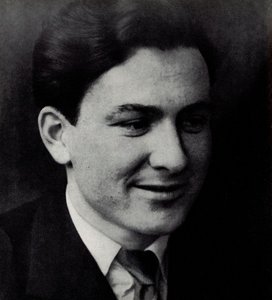
프란츠 에를리히
1907 - 1984 , 독일
작가 정보 요약
- Artistic Movement Or Style: 바우하우스, 표현주의
- Artists Or Movements Influenced By This Artist:
- 바우하우스
- 청년 공산당
- Artists Who Influenced This Artist:
- 발터 그로피우스
- 모홀리-나기
- 클레
- 요스트 슈미트
- Date Of Birth: 1907
- Date Of Death: 1984
- Full Name: 프란츠 에를리히
- Nationality: 독일
- Notable Artworks:
- 800 YRS. FRAMEWORK WALL 3
- 제목 없음 (HKB I 또는 II)
- 바이올린을 든 그림
- Place Of Birth: 레우트, 독일
관련 기사
Urban Visions: A Historical & Artistic Exploration of the Cityscape in Painting
Explore the evolution of cityscape painting from historical maps to Impressionist masterpieces. Discover artists like Caillebotte & Utrillo. Find museum-quality reproductions at OriginalUniqueArt.
Concrete Visions: Exploring Representations of Urban Life in Modern & Contemporary Art
Explore the evolution of cityscape painting from Realism to contemporary art. Discover key artists & invest in timeless urban visions with OriginalUniqueArt's expert guidance and museum-quality reproductions.

Concrete Visions: Exploring the Urban Landscape in Painting – From Realism to Contemporary Art
Explore the evolution of cityscape painting from Realism to contemporary art with OriginalUniqueArt. Discover key artists & invest in timeless urban visions. Expert guidance, museum-quality reproductions.
Concrete Narratives: Exploring Urban Life in Modern & Contemporary Art
Explore the evolution of cityscape painting with OriginalUniqueArt. Discover key artists from Realism to contemporary movements & invest in timeless urban visions. Expert guidance, museum-quality reproductions.
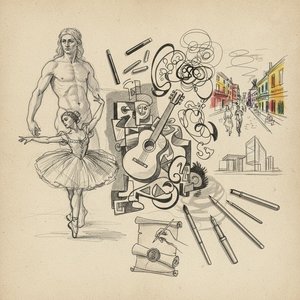
The Eloquent Line: Exploring the Artistic Significance of Sketches Across Movements and Media
Explore the profound artistic significance of sketches throughout history. From Renaissance masters to modern innovators like Van Gogh & Guston, discover how these foundational works reveal technique, emotion, and vision. Learn more at OriginalUniqueArt.