- 홈

- 캔버스 프린트
- franz bernhard schuller
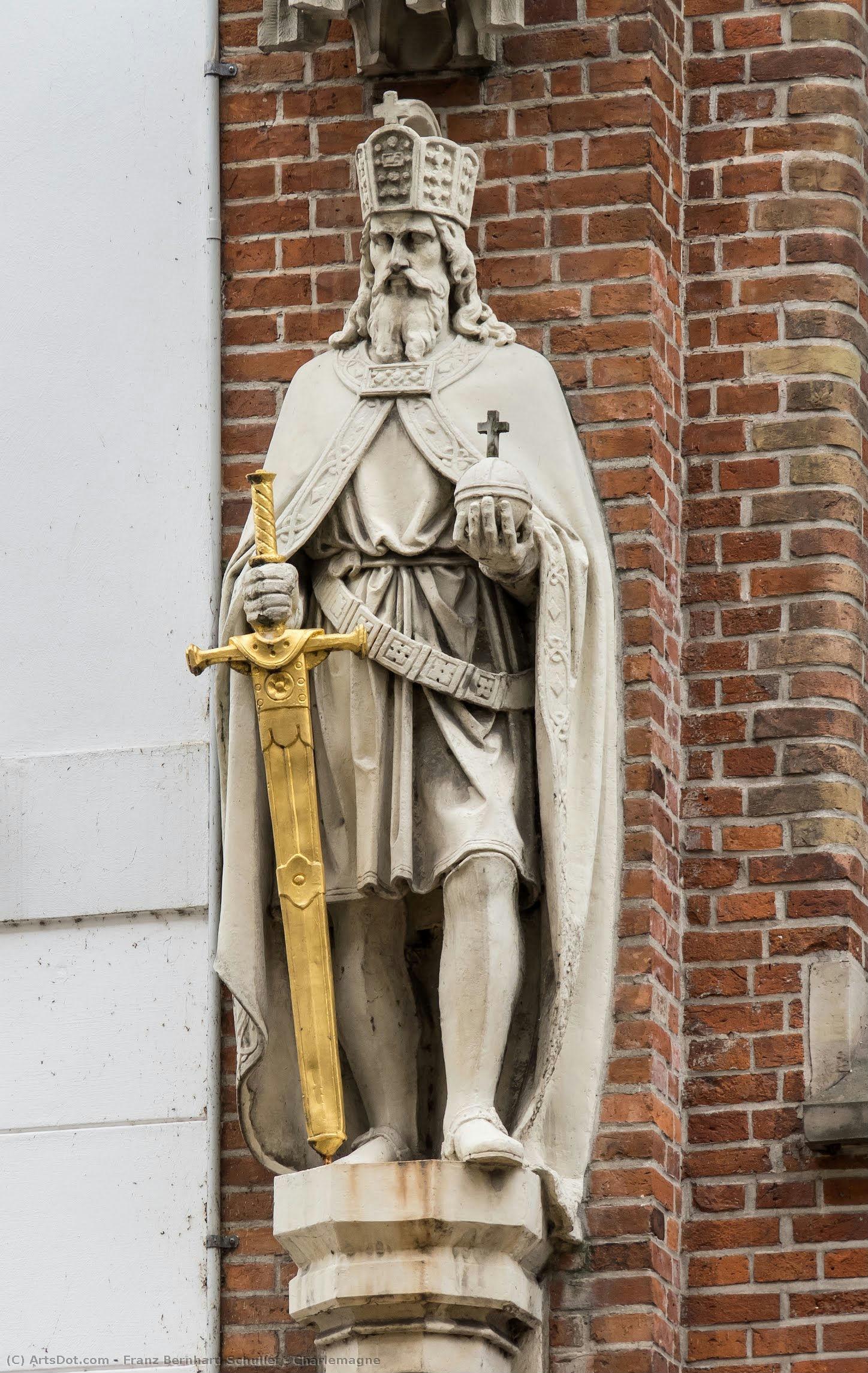
- Charlemagne
 Preview
 작품 구매하기
 공유하기
공유하기 공유하기
공유하기
 상세 정보
상세 정보

 다운로드
다운로드
 유사 작품
유사 작품 X-레이
X-레이 슬라이드 쇼
Charlemagne

 더 보기
더 보기




































작품의 원본 비율을 유지하는 미리 설정된 크기 중에서 선택하세요.

특정 프레임이나 공간에 맞춰 직접 치수를 입력하실 수 있습니다. 선택하신 사이즈가 원본 이미지의 비율과 일치하지 않을 경우, 작품을 크롭(자르기)하거나 이미지를 대칭 또는 단색 채우기로 확장하여 제작합니다. 제작 시작 전, 최종 확인을 위해 디지털 목업이 전송됩니다.
화면상의 미리보기는 실제 크롭이나 확장 상태를 반영하지 않으므로, 최종 구도는 오직 목업을 통해서만 정확하게 확인하실 수 있습니다.
맞춤 사이즈 제작도 가능하지만, 원본 비율을 유지하기 위해서는 사전 정의된 목록에서 치수를 선택하시는 것을 권장합니다.


 유리 옵션은 110cm 미만 크기에서만 선택 가능합니다.

Charlemagne
지클레 / 아트 프린트
복제본 크기
-


최종 결제 금액
-
작가 약력
Early Life and Training in the German Tradition
Franz Bernhard Schuller, a name perhaps less familiar than some of his contemporaries, nevertheless occupies an intriguing space within the landscape of 19th-century German sculpture. Born in Ostritz, Germany, in 1815, Schuller’s artistic journey began under the tutelage of Gareis, a sculptor whose influence would lay the foundation for Schuller's classical approach. This initial training was further refined through studies with Schwanthaler, another prominent figure in German sculpture, solidifying his commitment to academic principles and detailed craftsmanship. The Germany of Schuller’s youth was undergoing significant cultural shifts, yet he remained deeply rooted in the traditions of idealized form and narrative storytelling that characterized much of European art at the time. This early immersion in classical ideals would become a defining feature of his work, shaping both his subject matter and technical execution.A Sculptor of Narrative and Historical Grandeur
Schuller’s oeuvre is marked by a preference for monumental sculpture, often depicting scenes steeped in history and mythology. He wasn't merely replicating forms; he was striving to embody the spirit of an era or the weight of a legend. His most celebrated work, Charlemagne, exemplifies this ambition. The statue isn’t simply a representation of the Frankish king but an attempt to capture his power, authority, and the very essence of his reign. This dedication to narrative is evident in the meticulous detail he lavished upon each sculpture, from the folds of drapery to the expressive features of his figures. While documentation on the full scope of his work remains limited, the presence of pieces like Charlemagne within prestigious collections such as the Musée d'Orsay and the Louvre speaks volumes about the quality and artistic merit recognized by his peers and subsequent generations.Influences and Artistic Development
The influence of Classical sculpture is pervasive throughout Schuller’s work, a testament to his rigorous training and dedication to academic principles. However, he wasn't simply copying ancient models. He absorbed the lessons of antiquity—the emphasis on anatomical accuracy, balanced composition, and idealized beauty—and adapted them to suit contemporary tastes and narratives. The Baroque tradition also appears to have played a role in his development, particularly in its dramatic use of movement and emotional intensity. This blend of Classical restraint and Baroque dynamism created a unique style that distinguished Schuller from other sculptors of his time. He skillfully balanced the grandeur of historical subjects with a refined sense of detail and expressive power.Recognition and Legacy
Despite not achieving widespread fame during his lifetime, Franz Bernhard Schuller’s work has garnered increasing attention in recent years. His inclusion in the sculpture sections of renowned institutions like the Musée d'Orsay and the Louvre is a clear indication of his artistic significance. The fact that his sculptures continue to be studied and admired today demonstrates their enduring appeal and historical importance.- His work provides valuable insight into the development of German sculpture in the 19th century.
- He represents a continuation of the Classical tradition, adapted for a new era.
- The meticulous craftsmanship and narrative power of his sculptures continue to captivate audiences.

franz bernhard schuller
1815 - 1857 , Germany
주요 정보
- Artistic Movement Or Style: Classical Sculpture
- Artists Who Influenced This Artist:
- Gareis
- Schwanthaler
- Date Of Birth: 1815
- Date Of Death: 1857
- Full Name: Franz Bernhard Schuller
- Nationality: German
- Notable Artworks: ['Charlemagne']
- Place Of Birth: Ostritz, Germany

