프린트 판매로 전환
 더 보기
더 보기







































 가로 또는 세로 중 어느 한 면이라도 105cm(약 41인치)를 초과하는 작품이나 복제화의 경우, 프레임은 분해된 키트 형태로 배송됩니다. 이는 안전한 배송을 보장하고 운송 중 발생할 수 있는 손상을 방지하기 위함입니다.


The Fruit Basket: A Baroque Ode to Abundance
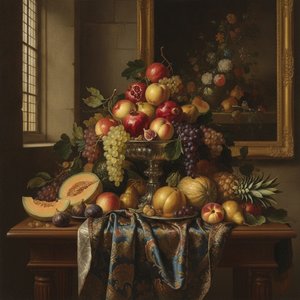
Frans Snyders’ “The Fruit Basket,” completed in 1633, transcends mere depiction; it embodies the very spirit of Baroque art—a celebration of opulent detail and dramatic visual impact. Housed within the Museo del Prado in Madrid, Spain, this oil on canvas masterpiece isn't simply a still life; it’s a carefully constructed tableau designed to stimulate contemplation and evoke a profound appreciation for earthly beauty. The painting immediately draws the eye with its vibrant palette—deep reds dominate the apples and oranges, contrasted by lush greens representing the foliage and vegetables. These colors aren’t merely decorative; they were painstakingly chosen to convey emotion and heighten the sense of realism achieved through masterful chiaroscuro lighting.- Composition & Technique: Snyders employs a pyramidal composition, anchoring the eye on the basket itself while subtly guiding it across the table towards the woman holding it. The artist’s meticulous brushwork captures the textures of fruit skins—the velvety sheen of peaches and plums alongside the rough surface of apples—creating an illusion of palpable physicality. Notice how light sculpts the forms, emphasizing volume and depth, mirroring the grandeur of Baroque artistic ideals.
- Historical Context: Created during Philip IV’s reign, “The Fruit Basket” reflects the prevailing fascination with naturalism within European art circles. The Baroque period prioritized portraying the world as it appeared to the senses—a reaction against the stylized conventions of Mannerism. Snyders' work aligns perfectly with this trend, demonstrating a commitment to capturing fleeting moments of sensory experience.
- Symbolism & Narrative: Beyond its visual splendor, “The Fruit Basket” carries symbolic weight. The basket itself represents fertility and nourishment—themes central to Baroque iconography. The woman’s gesture suggests generosity and hospitality, embodying the humanist values championed during this era. Furthermore, the inclusion of a knife hints at preparation and transformation, subtly referencing the cycle of life and death.
- Influence & Legacy: Snyders' meticulous realism profoundly impacted subsequent still life painters. His influence can be seen in works by artists like Jacob Jordaens and Willem Claeszoon Heda who adopted similar techniques to convey a sense of immediacy and grandeur. “The Fruit Basket” remains an enduring testament to Baroque artistry, inspiring admiration for its technical prowess and emotional resonance.
질의응답
프란스 스니더스의 "The Fruit Basket"은(는) 언제 제작되었나요?
"The Fruit Basket"은(는) 1633년에 제작되었습니다. 이 시기는 프란스 스니더스의 예술적 경력과 당시의 시대상을 잘 보여줍니다.
프란스 스니더스의 "The Fruit Basket" 작품은 어떤 공간에 잘 어울릴까요?
프란스 스니더스의 "The Fruit Basket" 작품에 추천하는 공간은 Living Room입니다. 물론 이 제안은 고객님의 인테리어 스타일에 맞춰 자유롭게 조정하실 수 있습니다.
현재 프란스 스니더스의 "The Fruit Basket"은(는) 어디에서 관람할 수 있나요?
프란스 스니더스의 "The Fruit Basket"은(는) 프라도 미술관, Madrid, Spain에 전시되어 있습니다. 박물관 목록은 복제품이 아닌 원작을 기준으로 합니다.
이 작품에 대해 더 알아보기
 미리보기
미리보기
 공유하기
공유하기 공유하기
공유하기
 상세 정보
상세 정보 가이드 보기

 다운로드
다운로드
 유사 작품 더 보기
 X-레이
X-레이 슬라이드 쇼 보기
 질의응답
질의응답 통계 정보
통계 정보