 미리보기
미리보기
 공유하기
공유하기 공유하기
공유하기
 상세 정보
상세 정보

 다운로드
다운로드
 유사 작품
유사 작품 X-레이
X-레이 슬라이드 쇼
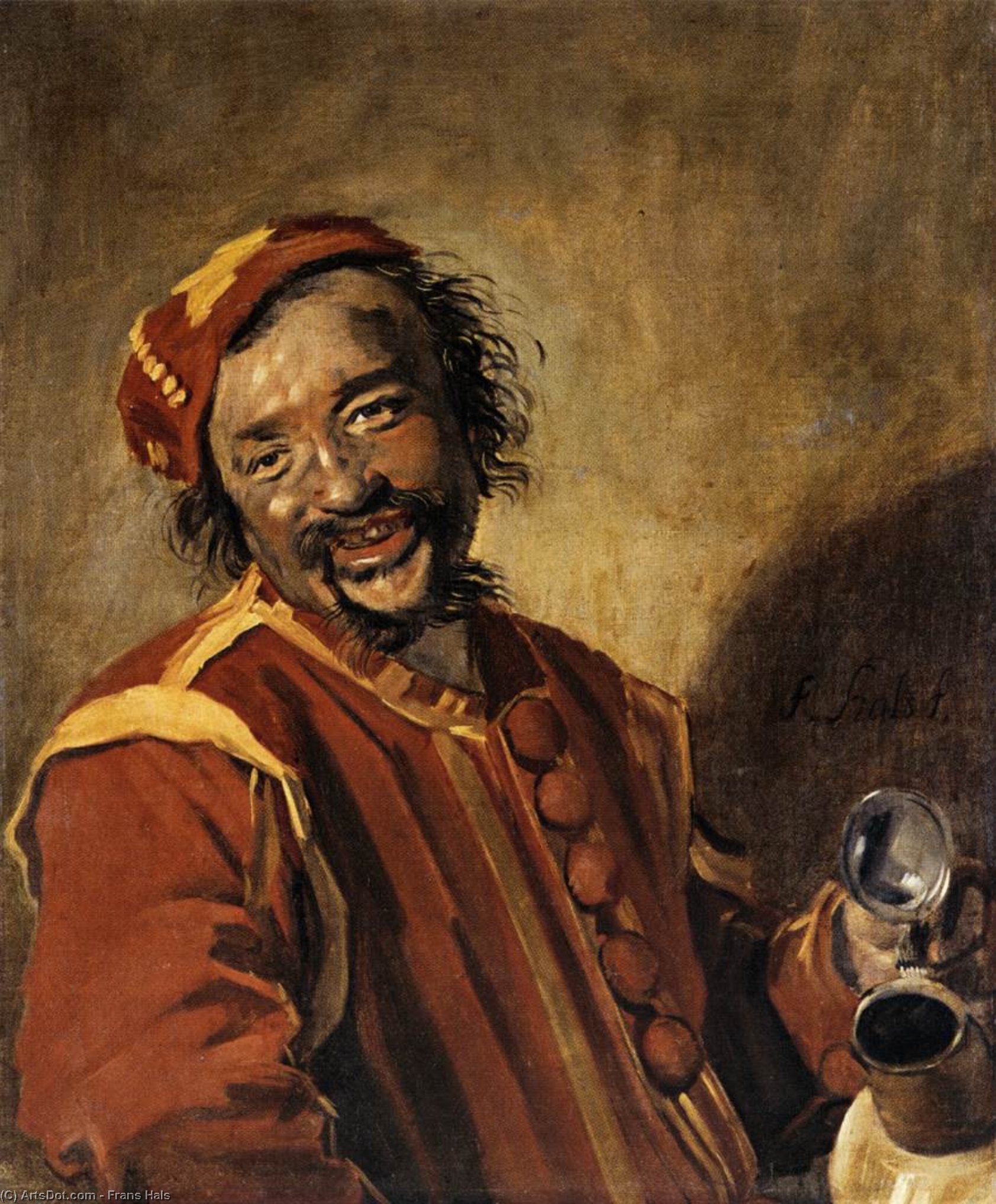
Peeckelhaering
 Oil On Canvas
- WallArt
- Baroque
 1628
1628 75.0 x 61.0 cm
 카셀 주립 미술관
 더 보기
더 보기
지클레 / 아트 프린트
빠른 제작과 다양한 마감 옵션을 제공하는 박물관 품질의 지클레이 또는 캔버스 프린트. ( 손으로 그린 그림 구매 이미지 구매)




P118B $10

P118H $10

P118W $10

P438Z $10

P508JH $12

P508YH $12

P805H $10

P805Z $10

P919BZ $10

P919G $10

P919XJ $10

P959ZH $10

P968JZ $12

W106C $8

W218G $10

W218JH $8

W218Y $10

W307PJ $10

W316G $10

W316PJ $8

W316Y $10

W398PJ $8

W4111J $10

W500HY $15

W500JH $15

W692G $12

W849H $8

W940BG $15

W953PJ $8




작품의 원본 비율을 유지하는 미리 설정된 크기 중에서 선택하세요.

특정 프레임이나 공간에 맞춰 직접 치수를 입력하실 수 있습니다. 선택하신 사이즈가 원본 이미지의 비율과 일치하지 않을 경우, 작품을 크롭(자르기)하거나 이미지를 대칭 또는 단색 채우기로 확장하여 제작합니다. 제작 시작 전, 최종 확인을 위해 디지털 목업이 전송됩니다.
화면상의 미리보기는 실제 크롭이나 확장 상태를 반영하지 않으므로, 최종 구도는 오직 목업을 통해서만 정확하게 확인하실 수 있습니다.
맞춤 사이즈 제작도 가능하지만, 원본 비율을 유지하기 위해서는 사전 정의된 목록에서 치수를 선택하시는 것을 권장합니다.


 유리 옵션은 110cm 미만 크기에서만 선택 가능합니다.

Peeckelhaering
지클레 / 아트 프린트
복제본 크기
-


최종 결제 금액
$ 80
작품 상세 설명
Frans Hals's "Peeckelhaering": A Glimpse into Dutch Golden Age Merriment
- Painted in 1628, Frans Hals’s “Peeckelhaering” is more than just a portrait; it’s a vibrant snapshot of the Dutch Golden Age, brimming with theatricality and a delightfully mischievous spirit. The painting depicts a man – identified as Peeckelhaering or Pickelherring – a stock character from European comic theatre, rendered with Hals's signature loose brushwork and captivating realism. This figure, embodying the jestering fool, holds a wine glass, his expression hinting at the excesses of intemperance, a common theme in Dutch art during this period.
- The subject’s costume – a flamboyant red garment adorned with gold trim – immediately draws the eye, echoing the vibrant colors favored by jesters since the 16th century. The dark makeup applied to the man's face further emphasizes his role as an actor, solidifying the painting’s connection to the stage and highlighting Hals’s innovative approach to capturing personality through theatrical representation.
Artistic Techniques: A Masterclass in Dutch Realism
- Frans Hals was renowned for his revolutionary technique of applying paint with loose, expressive brushstrokes. In “Peeckelhaering,” this is strikingly evident; the fluid strokes define the subject’s features, creating a sense of movement and immediacy that transcends mere representation. The vibrant colors of the costume are not applied in a flat manner but layered to create depth and luminosity.
- The background, subtly populated with partially visible figures, adds another layer of complexity to the composition. This technique, characteristic of Hals’s work, creates a sense of interaction and movement, blurring the lines between portraiture and genre painting – a hallmark of his artistic vision.
Historical Context: The Rise of the Dutch Golden Age
- “Peeckelhaering” was created during the height of the Dutch Golden Age (roughly 1600-1700), a period of unprecedented artistic and economic prosperity in the Netherlands. This era witnessed an explosion of creativity, fueled by trade, wealth, and a burgeoning merchant class eager to display their status through art.
- The figure of Peeckelhaering itself reflects this cultural landscape – a reminder of the importance of entertainment and leisure within Dutch society. The character’s association with comic theatre speaks to the value placed on humor and social commentary, themes frequently explored in Dutch art during this time.
Symbolism and Emotional Impact
- Beyond its technical brilliance, “Peeckelhaering” possesses a potent emotional resonance. Hals’s ability to capture the subject's slightly woozy expression invites us to contemplate themes of indulgence, folly, and perhaps even the fleeting nature of pleasure.
- The painting’s overall effect is one of playful exuberance, capturing a moment of uninhibited merriment that continues to delight viewers centuries later. It serves as a testament to Hals's genius in translating complex human emotions onto canvas with remarkable skill and sensitivity.
작가 약력
프란스 할스 1세: 빛과 삶의 화가
16세기 말, 유럽은 격변의 시기를 겪고 있었다. 종교 개혁의 소용돌이 속에서 예술가들은 새로운 시대의 정신을 담아내기 위해 노력했다. 벨기에 안트베르펜에서 태어난 프란스 할스 1세(Frans Hals I)는 이러한 변화의 물결 속에서 등장한 네덜란드 황금시대의 대표적인 화가 중 한 명이다. 그의 삶은 다소 베일에 가려져 있지만, 혁신적인 초상화와 풍경화를 통해 당대 사회의 역동성과 인간 내면의 깊이를 탐구하며 미술사에 뚜렷한 발자취를 남겼다.
초기 생애와 예술적 여정
할스의 어린 시절에 대한 자세한 기록은 희박하다. 안트베르펜에서 초기 예술 교육을 받았다고 추정되지만, 종교적 박해와 정치적 불안으로 인해 가족과 함께 네덜란드의 하를렘으로 이주하게 된다. 1610년, 그는 하를렘의 성 루카 길드에 가입하며 본격적인 화가로서의 활동을 시작한다. 당시 하를렘은 활기찬 상업 도시였으며, 할스는 이곳에서 다양한 계층의 사람들을 만나 초상화를 그리기 시작했다.
독창적인 화풍과 기법
할스의 그림은 섬세한 묘사보다는 자유롭고 즉흥적인 표현이 특징이다. 그는 동시대 화가들과 달리 느슨하고 역동적인 붓터치를 사용하여 인물의 개성과 생동감을 포착했다. 그의 초상화는 단순한 외모의 재현을 넘어, 모델의 심리 상태와 삶의 에너지를 담아내는 듯하다. 특히 빛과 그림자의 대비를 활용하여 입체감과 깊이를 더하고, 인물의 표정과 제스처를 통해 강렬한 인상을 남겼다.
- 그의 초상화는 단순한 외모 묘사를 넘어 심리적인 깊이를 담아낸다.
- 웃음, 대화, 사색 등 순간적인 감정을 포착하는 데 탁월했다.
- 빛과 그림자의 효과적인 사용은 그의 작품에 생동감을 불어넣는다.
대표작과 예술적 성취
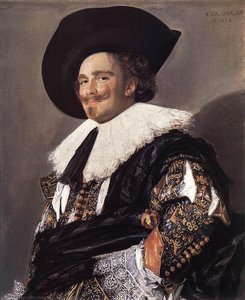
할스는 수많은 초상화를 남겼지만, 그중에서도 웃는 기사(1624)는 그의 대표작으로 꼽힌다. 이 작품은 인물의 활기찬 표정과 화려한 의상을 통해 당대 귀족 사회의 풍요로운 분위기를 보여준다. 또한 마르 바베(c. 1633-1635)는 노인의 주름과 표정을 섬세하게 표현하여 인간의 삶과 고뇌를 담아낸 작품으로 평가받는다. 하를렘 노인 자선단 초상화(1664)는 단체 초상화에서도 그의 뛰어난 기량을 보여주는 대표적인 예시이다.
뿐만 아니라, 그는 일상생활을 묘사한 풍경화도 많이 제작했는데, 이를 통해 네덜란드 사회의 다양한 모습을 생생하게 담아냈다. 이러한 작품들은 당시 사람들의 삶과 문화를 이해하는 데 중요한 자료가 되고 있다.
영향과 유산
할스의 직접적인 영향력을 파악하기는 어렵지만, 그는 독창적인 화풍을 통해 후대 예술가들에게 큰 영감을 주었다. 특히 아드리안 브루워와 요하네스 베르메르 등 네덜란드 황금시대의 다른 화가들에게 영향을 미쳤다고 알려져 있다. 그의 인물 표현 기법은 이후 초상화 미술 발전에 중요한 토대가 되었으며, 빛과 그림자를 활용한 표현 방식은 인상주의 화가들에게도 영감을 주었다.
- 그는 아드리안 브루워와 요하네스 베르메르 등 후대 화가들에게 영향을 미쳤다.
- 인물의 개성을 살린 초상화 기법은 이후 미술 발전에 중요한 역할을 했다.
- 느슨한 붓터치와 빛의 활용은 인상주의 화가들에게 영감을 주었다.
역사적 의의
프란스 할스 1세는 네덜란드 황금시대 회화 발전에 중요한 기여를 했다. 그의 작품은 당시 네덜란드의 번영과 개인주의 정신을 반영하며, 엄격한 형식에서 벗어나 자연스럽고 생동감 넘치는 표현 방식을 추구했다. 오늘날 그의 그림은 전 세계 주요 미술관에 소장되어 있으며, 특히 하를렘의 프란스 할스 박물관에는 그의 작품이 가장 많이 전시되어 있다. 그의 예술적 업적은 시대를 초월하여 많은 사람들에게 감동과 영감을 주고 있다.

프란스 할스
1580 - 1585 , 벨기에
주요 정보
- 국적: 네덜란드
- 사망일: 1585년
- 영향을 받은 예술가:
- 아드리안 브루워
- 요하네스 베르메르
- 영향을 준 예술가: 피터 브뤼겔 노인
- 예술 사조: 네덜란드 황금시대
- 이름: 프란스 할스 1세
- 주요 작품:
- 웃는 기병대
- 말레 바베
- 출생일: 1580년경
- 출생지: 안트베르펜, 벨기에
관련 기사 더 보기

네덜란드 황금 시대 예술의 정수를 담은 10대 걸작 탐구
렘브란트, 베르메르의 걸작부터 할스의 인물화까지! 네덜란드 황금시대 미술의 10대 명품을 만나보세요. 예술적 깊이와 아름다움을 담은 작품들을 OriginalUniqueArt에서 감상하고, 고품질 아트 프린트로 당신의 공간에 특별함을 더하세요. 지금 바로 OriginalUniqueArt.com에서 모든 걸작을 발견하세요!

Frans Hals I: Innovation, Intimacy & the Dutch Golden Age Portrait
Explore the revolutionary portraiture of Frans Hals I, a master of the Dutch Golden Age. Discover his innovative techniques, captivating character studies & lasting impact on art history. Learn more at OriginalUniqueArt.

Golden Light & Dutch Skies: The Timeless Magic of Dutch Golden Age Landscapes
Discover the breathtaking beauty of Dutch Golden Age landscapes. Explore the mastery of light, chiaroscuro, and 17th-century realism through an expert art history lens, celebrating the enduring legacy of the Dutch Masters for discerning collectors and art lovers.

Illuminating Innovation: Exploring the Dutch Golden Age of Painting
Explore the Dutch Golden Age of painting with OriginalUniqueArt. Discover Rembrandt, Vermeer & other Masters. Learn about key characteristics, iconic artworks, and lasting influence. Expert insights for collectors & enthusiasts.
Illuminating Realism: Exploring the Dutch Golden Age of Painting (1600-1700)
Explore the Dutch Golden Age of painting (1600-1700) with OriginalUniqueArt. Discover Rembrandt, Vermeer & other masters. Learn about techniques, history & find museum-quality reproductions.