

 미리보기
미리보기
 공유하기
공유하기 공유하기
공유하기
 상세 정보
상세 정보

 다운로드
다운로드
 유사 작품
유사 작품 X-레이
X-레이 슬라이드 쇼
 통계 정보
통계 정보Endurance Final Sinking

 더 보기
더 보기
지클레 / 아트 프린트
빠른 제작과 다양한 마감 옵션을 제공하는 박물관 품질의 지클레이 또는 캔버스 프린트. ( 손으로 그린 그림 구매 디지털 이미지로 전환)




































작품의 원본 비율을 유지하는 미리 설정된 크기 중에서 선택하세요.

특정 프레임이나 공간에 맞춰 직접 치수를 입력하실 수 있습니다. 선택하신 사이즈가 원본 이미지의 비율과 일치하지 않을 경우, 작품을 크롭(자르기)하거나 이미지를 대칭 또는 단색 채우기로 확장하여 제작합니다. 제작 시작 전, 최종 확인을 위해 디지털 목업이 전송됩니다.
화면상의 미리보기는 실제 크롭이나 확장 상태를 반영하지 않으므로, 최종 구도는 오직 목업을 통해서만 정확하게 확인하실 수 있습니다.
맞춤 사이즈 제작도 가능하지만, 원본 비율을 유지하기 위해서는 사전 정의된 목록에서 치수를 선택하시는 것을 권장합니다.


 유리 옵션은 110cm 미만 크기에서만 선택 가능합니다.

Endurance Final Sinking
지클레 / 아트 프린트
복제본 크기
-


최종 결제 금액
$ 80
작가 약력
James Francis Hurley: A Pioneer of Antarctic and War Photography
Frank Hurley (1885-1962) stands as a singular figure in the history of photography, an adventurer whose life was inextricably linked to exploration and documented through his remarkable images. Born in Glebe, Sydney, Australia, into a modest family, Hurley’s early years were marked by a restless spirit and a fascination with engineering – experiences that would later inform his approach to capturing dramatic landscapes and perilous situations. His escape from the Lithgow steel mill at just 14, followed by an apprenticeship, provided him with practical skills alongside a burgeoning artistic eye, culminating in his purchase of a Kodak box brownie at the age of twenty. This humble beginning belied a career that would take him to the furthest reaches of the globe, documenting both breathtaking beauty and harrowing survival. Hurley’s legacy isn't simply about capturing images; it’s about crafting narratives through visual storytelling – a skill honed by his willingness to immerse himself in challenging environments and, when necessary, employ carefully orchestrated staging to achieve the desired effect.Early Adventures and Antarctic Beginnings
Hurley’s first significant expedition was as official photographer for Douglas Mawson's Australasian Antarctic Expedition of 1911-14. This undertaking, a testament to his tenacity and persuasive abilities, saw him cornering Mawson on a train to secure the position – a story he recounted in his own biography. The harsh realities of life at Cape Denison, coupled with the logistical challenges of documenting the expedition, shaped Hurley’s photographic style. He famously captured the brutal conditions faced by the team, including scenes of men battling against the relentless force of katabatic winds, an image that remains a powerful symbol of human endurance in the face of adversity. Beyond simply recording events, Hurley sought to convey the psychological and physical toll of exploration, utilizing his camera to reveal both the heroism and the vulnerability of those involved. His photographic output from this expedition was instrumental in securing funding for future endeavors, demonstrating the commercial potential of his unique brand of adventure photography.The Endurance Expedition: Risk and Preservation
Hurley’s most celebrated contribution to photography came during Ernest Shackleton's Imperial Trans-Antarctic Expedition (1914-16). This harrowing journey, culminating in the loss of the *Endurance* to crushing ice, demanded extraordinary courage and resourcefulness. Hurley, armed with a small hand-held camera, risked his life repeatedly to salvage crucial photographic materials – a testament to his dedication to preserving the story of the expedition. He famously dived into freezing waters to retrieve submerged plates, an act that underscored his commitment to documenting the events as they unfolded. The resulting images, particularly those depicting Shackleton’s desperate struggle for survival on the ice floe, are considered among the most iconic and emotionally resonant photographs ever taken in Antarctica. It's important to note Hurley’s use of composite photography during this expedition – a technique that allowed him to create more complete narratives from limited photographic resources, showcasing his artistic ingenuity.War Photography and Cinematic Innovation
Following the Antarctic expeditions, Hurley served as an official war photographer with the Australian Imperial Forces during World War I. He produced striking color-plate photographs of soldiers in action, offering a rare glimpse into the realities of trench warfare. However, it was his work in cinema that truly cemented his place in photographic history. He filmed *Home of the Blizzard (Life in the Antarctic)*, a silent documentary based on Mawson’s expedition, which became an international sensation and established him as a pioneering filmmaker. The film's complex provenance remains debated, but its impact was undeniable – it brought the wonders and dangers of Antarctica to a wider audience and showcased Hurley’s innovative use of motion picture photography. He continued his cinematic pursuits after the war, directing feature films that further demonstrated his versatility as an artist.Legacy and Influence
Frank Hurley's impact extends far beyond his individual photographs and films. He was a key figure in establishing Australian documentary filmmaking, pioneering techniques of staged photography and composite images to enhance storytelling. His work on the Antarctic expeditions profoundly shaped public perception of the continent, inspiring generations of explorers and scientists. The Mount Hurley in Antarctica stands as a lasting tribute to his adventurous spirit and enduring legacy. Hurley’s approach – blending meticulous documentation with artistic manipulation – continues to influence photographers today, solidifying his position as a true innovator and a master storyteller through the lens. His archive remains a valuable resource for researchers and enthusiasts alike, offering a unique window into a remarkable life dedicated to capturing the extraordinary.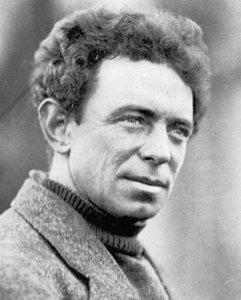
Frank Hurley
1885 - 1962
주요 정보
- Artistic Movement Or Style: Photography, Adventure
- Artists Who Influenced This Artist: ['None],\n "Artists or movements influenced by this artist": [None']
- Date Of Birth: 1885-10-15
- Date Of Death: 1962-01-16
- Full Name: James Francis Hurley
- Nationality: Australian
- Notable Artworks:
- No title (A turreted berg)
- Untitled (AQZVCW)
- Untitled (AQZVCS)
- Place Of Birth: Sydney, Australia