
 미리보기
미리보기
 공유하기
공유하기 공유하기
공유하기
 상세 정보
상세 정보 가이드 보기

 다운로드
다운로드
 유사 작품 더 보기
 X-레이
X-레이 슬라이드 쇼 보기
 질의응답
질의응답 통계 정보
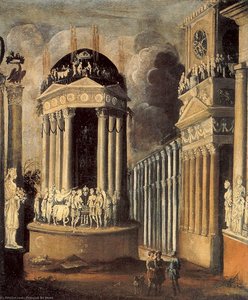
통계 정보Architectural Capriccio

- 96.0 x 80.0 cm


 더 보기
더 보기
웹 미리보기 화면을 훨씬 뛰어넘는 인쇄용 파일을 만나보세요. 저희가 판매하는 모든 디지털 이미지는 스톡 데이터베이스 내의 고해상도 마스터 파일(일반적으로 가로 5,000~15,000픽셀)을 기반으로 합니다. 따라서 대형 인쇄나 정밀한 크롭 작업 시에도 세밀한 디테일을 자신 있게 구현할 수 있습니다.
저희 스튜디오를 거치는 모든 파일은 정교한 손길을 거칩니다. 디지털 전문가가 원작과 대조하여 색상을 점검하고 필요 시 보정하며, 전문 리터칭 도구를 사용하여 선명도와 디테일을 높입니다. 이 과정에서 작가의 붓 터치와 화풍을 충실히 유지하는 것을 원칙으로 합니다. 그 결과, 단순한 스캔본에 필터를 입힌 듯한 느낌이 아닌, 마치 실제 회화 작품을 보는 듯한 이미지를 구현해냅니다.
최종 완료 전 확인 단계가 있습니다. 전문가가 검토하실 수 있도록 72시간 이내에 이미지를 이메일로 보내드립니다. 결과물이 만족스럽지 않으신가요? 수정이나 보완을 요청하시거나, 품질이 기대에 미치지 못할 경우 환불을 요청하실 수 있습니다.
출판사, 디자인 스튜디오, 갤러리 및 인쇄소가 신뢰하는 바로 그 품질입니다.
디지털 이미지
개인 소장 및 전시, 인쇄, 창작 프로젝트를 위한 고해상도 파일을 다운로드하세요. ( 프린트 판매로 전환 수작업 채색 복제본 주문하기)
모든 디지털 이미지 주문 시 포함되는 혜택
전문적인 디지털 이미지 전송 보장
OriginalUniqueArt.com를 선택하시면 단순히 이미지를 받는 것을 넘어, 정밀한 보정 과정을 거쳐 완성된 전문적인 디지털 예술 작품을 만나보실 수 있습니다. 모든 주문에는 만족 보장 서비스가 포함되어 있으며, 다음과 같은 사항들이 자동으로 제공됩니다:

빠른 이메일 전송
주문 후 72시간 이내에 고해상도 디지털 이미지 파일이 이메일로 발송되며, 즉시 사용하실 수 있습니다.

AI 기술로 최적화된 디지털 파일
귀하의 작품은 첨단 AI 기술과 정교한 수동 편집 과정을 거쳐 전문적으로 최적화되며, 이를 통해 디테일과 선명도, 색상의 정확도를 극대화합니다.

평생 무료 재전송 서비스
파일을 실수로 삭제하거나 분실하셨나요? 걱정 마세요. 언제든 무료로 다시 보내드립니다.

추가 수입 비용 없음 - 언제나
관세, 부가세, 배송비 부담 없이 작품을 즉시 소장하세요 - 디지털 다운로드는 언제나 면세 혜택이 적용됩니다.

정확한 색상 보장
전문적인 도구와 색상 관리 시스템을 통해 디지털 이미지가 원본의 색상을 최대한 정확하게 구현하도록 보장합니다.

100일 만족 보장제
구매하신 디지털 이미지에 만족하지 못하실 경우, 100일 이내에 별도의 조건 없이 수정 또는 100% 환불을 진행해 드립니다.

100% 환불 보장
만족스럽지 않으신가요? 디지털 파일을 받으신 후 100일 이내라면 어떤 이유로든 조건 없이 전액 환불해 드립니다.

대량 주문 할인
이미지 3매 구매 시 10% 할인 - 5매 구매 시 15% 할인 - 10매 이상 구매 시 20% 할인. 크리에이티브 프로젝트, 갤러리, 에이전시에 매우 유용합니다.
작가 소개
The Enigmatic Visionary of Decay
François de Nomé remains one of the most captivating enigmas in the annals of Baroque art history, a painter whose very identity was once lost within the shadows of a collective pseudonym. Born in 1593 in the quiet region of Metz, Lorraine, his early life set the stage for a journey that would lead him from the workshops of Rome to the vibrant, dramatic atmosphere of Naples. Around 1602, de Nomé entered the Roman art scene, immersing himself in the studio of the Flemish landscape painter Balthasar Lauwers. It was during this formative period that he began to hone a technical mastery over light and perspective, yet his true artistic soul would only reveal itself through a fascination with the ephemeral and the broken.
For centuries, the works attributed to de Nomé were shrouded in mystery, mistakenly credited to a single mysterious figure known as Monsù Desiderio. It was not until recent scholarly investigations that art historians untangled this web of attribution, discovering that what was once thought to be the output of one man was actually the collaborative brilliance of at least three distinct artists, including de Nomé and Didier Barra. This revelation has transformed our understanding of his legacy, transforming him from a mere footnote in a collective identity into a singular, visionary voice capable of conjuring worlds that feel both ancient and hauntingly prophetic.
A Landscape of Ruin and Surrealism
The oeuvre of François de Nomé is defined by an unsettling, almost post-apocalyptic aesthetic that defies the idealized beauty typical of his contemporaries. Rather than seeking out lush, verdant vistas, de Nomé turned his gaze toward decrepit ruins, crumbling architectures, and desolate, barren landscapes. His canvases often feature massive, decaying structures silhouetted against heavy, overcast skies, creating a sense of profound isolation. Within these vast, skeletal remains, tiny, almost microscopic figures—often saints or biblical protagonists—wander through the debris, their smallness emphasizing the overwhelming scale of time and decay.
His technique is masterfully atmospheric, utilizing oil on canvas to create indistinct edges and a muted, earthy palette that evokes a sense of dust and antiquity. There is a palpable psychological drama in his work; he does not merely paint buildings, but rather the anxiety of collapse. By employing an illusionistic depth and a soft, hazy perspective, he invites the viewer into a dreamlike state where reality and nightmare blur. This approach predates modern surrealism by centuries, as he utilized the architectural capriccio—a whimsical architectural fantasy—to explore themes of memory, loss, and the inevitable triumph of nature over man-made grandeur.
Legacy and Artistic Significance
While de Nomé’s specific style did not become a dominant trend for Italian landscape painters in the following century, his contribution to the emotional depth of the Baroque period is undeniable. His most celebrated achievement lies in his ability to manipulate architectural reality to serve a higher, more symbolic purpose. A prime example is his depiction of the Venetian Piazza San Marco; while he meticulously recreates the essential structures of the piazza, he imbues them with an eerie stillness and invented details that transform a real location into a haunting, imaginary space.
The historical significance of de Nomé lies in his rejection of the conventional. In an era often preoccupied with the glorification of power and divine order, he chose to find beauty in the fractured and the forgotten. His work serves as a bridge between the classical fascination with antiquity and a much more modern, visceral reaction to the fragility of civilization. Today, de Nomé is celebrated not just as a painter of ruins, but as a master of the sublime, an artist who captured the haunting beauty of a world in transition.
François De Nomé
1593 - 1623 , France
주요 정보
- Artistic Movement Or Style: Baroque
- Artists Or Movements Influenced By This Artist:
- Salvatore Rosa
- Piranesi
- Artists Who Influenced This Artist:
- Alessandro Magnasco
- Michelangelo Cerquozzi
- Belisario Corenzio
- Date Of Birth: 1593
- Date Of Death: 1623
- Full Name: François de Nomé
- Nationality: French
- Notable Artworks:
- Fantastic Ruins with Saint Augustine and the Child
- The Tomb of Solomon
- The Martyrdom of a female Saint
- Place Of Birth: Metz, France