프린트 판매로 전환
 더 보기
더 보기







































 가로 또는 세로 중 어느 한 면이라도 105cm(약 41인치)를 초과하는 작품이나 복제화의 경우, 프레임은 분해된 키트 형태로 배송됩니다. 이는 안전한 배송을 보장하고 운송 중 발생할 수 있는 손상을 방지하기 위함입니다.


A Symphony of Rococo Splendor
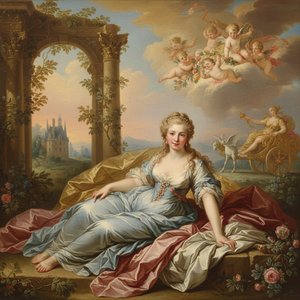
In the grand tapestry of eighteenth-century French art, few works capture the ephemeral essence of pleasure and grace as exquisitely as François Boucher’s The Triumph of Venus. Completed in 1740, this monumental oil on canvas serves as a definitive manifesto of the Rococo style, an era defined by its pursuit of ornamental beauty, pastel luminosity, and a profound celebration of the senses. As one gazes upon this masterpiece, the viewer is instantly transported to the opulent atmosphere of Louis XV’s court, where the boundaries between myth and reality blur amidst a sea of swirling light and soft textures.
The painting presents a breathtaking reimagining of classical mythology, drawing direct inspiration from the timeless elegance of Botticelli. Here, Venus does not merely arrive; she emerges in a spectacular display of divine vitality. Surrounded by a celestial assembly of nude figures, the goddess rises from the sea foam—a potent symbol of rebirth and feminine strength. The composition is alive with movement, as figures swim, float, and interact within a shimmering aquatic landscape, creating an atmosphere that is both energetic and profoundly serene. For the discerning collector or interior designer, this piece offers more than just decoration; it provides a window into a world of idealized beauty and aristocratic refinement.
Mastery of Light and Texture
Boucher’s technical prowess is nothing short of miraculous, particularly in his ability to render the tactile sensations of the natural world. Utilizing a sophisticated glazing method, the artist applied thin, translucent layers of pigment over opaque undercoats to achieve a luminous, pearlescent glow that seems to emanate from within the canvas itself. This technique allows for a breathtakingly subtle variation in tone, capturing the delicate softness of human skin, the iridescent shimmer of water, and the heavy, luxurious drape of satin fabrics.
The artist also employs chiaroscuro with masterful restraint, using dramatic contrasts between light and shadow not to create tension, but to sculpt the forms of the mythological figures. This interplay of light breathes life into the composition, highlighting the velvety sheen of flower petals and the muscular yet graceful contours of the bodies. Such meticulous attention to detail ensures that every inch of the canvas invites closer inspection, making it a captivating focal point for any high-end gallery or sophisticated living space.
Symbolism and Emotional Resonance
Beyond its surface-level beauty, The Triumph of Venus is steeped in profound symbolic meaning. During the Rococo period, Venus was more than a mythological figure; she was the embodiment of divine femininity, representing love, fertility, and the grace that governs the natural order. The surrounding figures, adorned with garlands of flowers, act as allegories for virtue, contemplation, and the flourishing of artistic patronage. Every element, from the billowing clouds to the frothing waves, contributes to a narrative of abundance and eternal spring.
For those seeking to infuse their surroundings with inspiration, this artwork offers an enduring emotional impact. It evokes a sense of wonder and a longing for the idyllic, making it an ideal choice for creating spaces that feel both luxurious and emotionally uplifting. Whether as a centerpiece in a classical study or a bold statement in a contemporary suite, a high-quality reproduction of Boucher’s triumph brings with it the prestige of art history and the timeless allure of the French Rococo spirit.
질의응답
"Title in Swedish: Venus triumf"은(는) 저작권으로부터 자유로운가요?
프랑수아 부셰의 "Title in Swedish: Venus triumf"의 저작권 정보: 해당 작품은 퍼블릭 도메인 - 저작권 보호 기간이 만료되었습니다 상태입니다. 이는 이미지 복제 가능 여부를 결정하는 기준이 됩니다.
프랑수아 부셰의 다른 이름이나 별칭에는 무엇이 있나요?
프랑수아 부셰은(는) 프랑소와 부셰, 프랑수아 부쉐, 프랑수아 레오폴드 부셰, François Boucher(으)로도 알려져 있습니다.
"Title in Swedish: Venus triumf"이(가) 제작될 당시 프랑수아 부셰의 나이는 몇 세였나요?
프랑수아 부셰은(는) 1740년에 "Title in Swedish: Venus triumf"을(를) 제작했을 당시 37세였습니다. 이 나이는 작가의 출생 연도인 1703을(를) 기준으로 계산되었습니다.
이 작품에 대해 더 알아보기
 미리보기
미리보기
 공유하기
공유하기 공유하기
공유하기
 상세 정보
상세 정보 가이드 보기

 다운로드
다운로드
 유사 작품 더 보기
 X-레이
X-레이 슬라이드 쇼 보기
 질의응답
질의응답 통계 정보
통계 정보