
 실제 크기로 보기
 보내기
보내기 공유하기
공유하기
 상세 보기
상세 보기 가이드 보기

 이미지 다운로드
 유사 작품 더 보기
 X-레이
X-레이 슬라이드 쇼 보기
 통계 정보
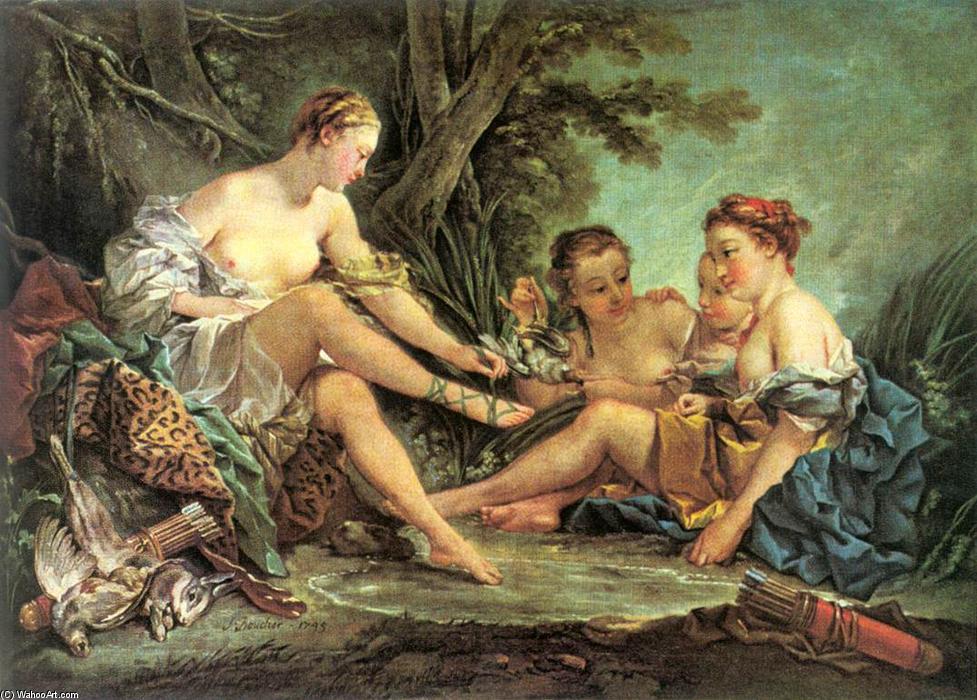
통계 정보Diana after the Hunt
 Oil On Canvas
- WallArt
- Rococo Style
 37.0 x 52.0 cm
 Musée Cognacq-Jay
 상세 보기
상세 보기
지클레 / 아트 프린트
빠른 제작과 다양한 마감 옵션을 선택할 수 있는 박물관 수준의 지클레이 및 캔버스 프린트. ( 수작업 채색 복제본 주문하기 디지털 이미지 판매 채널로 전환)




P118B ₩10

P118H ₩10

P118W ₩10

P438Z ₩10

P508JH ₩12

P508YH ₩12

P805H ₩10

P805Z ₩10

P919BZ ₩10

P919G ₩10

P919XJ ₩10

P959ZH ₩10

P968JZ ₩12

W106C ₩8

W218G ₩10

W218JH ₩8

W218Y ₩10

W307PJ ₩10

W316G ₩10

W316PJ ₩8

W316Y ₩10

W398PJ ₩8

W4111J ₩10

W500HY ₩15

W500JH ₩15

W692G ₩12

W849H ₩8

W940BG ₩15

W953PJ ₩8




작품의 원본 비율을 그대로 유지하는 프리셋 사이즈 중에서 선택해 보세요.

액자나 벽면 크기에 맞춰 필요한 가로와 세로 길이를 입력해 주세요. 프린트는 원본 이미지보다 크게 제작할 수 없으며 오직 자르는 것만 가능하므로, 비율이 다른 사이즈를 선택할 경우 이미지의 일부가 잘려 나갈 수 있습니다. 인쇄 작업에 들어가기 전, 최종 확인을 위해 디지털 목업을 보내드립니다. 이 페이지에 표시된 이미지는 실제 잘리는 영역을 나타내지 않으며, 오직 목업을 통해서만 정확한 확인이 가능합니다.


 유리 옵션은 110cm 미만 크기에서만 선택 가능합니다.

Diana after the Hunt
지클레 / 아트 프린트
복제본 규격
-


총 결제 금액
₩ 109181
A Moment of Grace and Renewal: Exploring François Boucher’s “Diana After the Hunt”
François Boucher's "Diana After the Hunt," painted around 1745 and currently residing in the Musée Cognacq-Jay in Paris, is more than just a depiction of a woodland scene; it’s a shimmering embodiment of Rococo elegance, sensual grace, and the very spirit of the era. This oil on canvas work invites us into a world of delicate beauty, where the goddess Diana, mistress of the hunt, shares a tranquil moment with her companions after a day spent pursuing prey. Boucher masterfully captures not just the visual splendor but also an underlying sense of serenity and shared pleasure – a rare stillness within the vibrant dynamism of his style.
The painting immediately draws the eye to its foreground: three elegantly posed women seated upon the ground, engaged in conversation or perhaps simply enjoying the restorative effects of their day. Each figure is rendered with exquisite detail, showcasing Boucher’s remarkable skill in capturing texture and form. The woman on the left, adorned in a light blue garment embellished with delicate white flowers, exudes an air of quiet contemplation. Her counterpart in yellow and red embodies playful vivacity, while the third, clad in dark blue with gold accents, projects an aura of sophisticated reserve. These carefully chosen colors contribute significantly to the painting’s overall harmony and visual richness.
The Language of Rococo: Style, Technique, and Symbolism
“Diana After the Hunt” is a quintessential example of the Rococo style – a movement characterized by its emphasis on lightness, ornamentation, and sensuality. Boucher's brushwork is remarkably fluid and loose, creating an atmosphere of airy grace. He employs a technique known as *sfumato*, subtly blurring outlines and softening edges to achieve a dreamlike quality. The background landscape—a verdant forest punctuated by a meandering stream—is painted with meticulous attention to detail, yet retains a sense of idealized beauty. Notice the dappled sunlight filtering through the trees, adding depth and luminosity to the scene.
Symbolism plays a crucial role in understanding the painting’s deeper meaning. Diana, as the Roman goddess of the hunt, represents not just skill and prowess but also independence, fertility, and the wildness of nature. Her companions are often interpreted as nymphs or young women, symbolizing beauty, innocence, and the pleasures of leisure. The hunting implements scattered on the ground—arrows, bows, and quivers—serve as a reminder of Diana’s role as a hunter, yet they are presented in a context that prioritizes rest and companionship over active pursuit. The presence of water further reinforces this theme of renewal and tranquility.
A Window into 18th-Century France: Context and Legacy
To fully appreciate “Diana After the Hunt,” it’s essential to consider its historical context. Painted during the reign of Louis XV, the work reflects the opulent tastes and refined sensibilities of the French court. Boucher was a favored artist of Madame de Pompadour, the influential mistress of the king, who championed his talent and helped elevate him to prominence. His paintings were highly sought after by wealthy patrons and adorned the interiors of grand palaces throughout France.
Boucher’s influence on subsequent generations of artists is undeniable. He established a new standard for decorative painting, blending classical mythology with contemporary themes and embracing a distinctly sensual style. Works like “Diana After the Hunt” continue to captivate viewers today, offering a glimpse into a world of beauty, grace, and timeless elegance. Reproductions by OriginalUniqueArt.com allow you to bring this masterpiece into your own space, experiencing its charm and sophistication firsthand.
- Artist: François Boucher (1703-1770)
- Date: Unknown (circa 1745)
- Location: Musée Cognacq-Jay, Paris, France
- Medium: Oil on Canvas
질의응답
프랑수아 부셰의 "Diana after the Hunt"의 작품 방향(가로/세로)은 어떻게 되나요?
프랑수아 부셰의 "Diana after the Hunt"은(는) Landscape 구도로 이루어져 있습니다. 프린트 크기를 결정하시기 전에 비율을 확인해 보시는 것이 좋습니다.
프랑수아 부셰의 "Diana after the Hunt"과(와) 유사한 작품을 어떻게 찾을 수 있나요?
"Diana after the Hunt"와 유사한 작품들은 해당 작품의 유사한 작품 페이지에서 확인하실 수 있습니다.
프랑수아 부셰의 "Diana after the Hunt"의 색감은 채도가 높은 편인가요, 아니면 차분한 편인가요?
프랑수아 부셰의 "Diana after the Hunt"은(는) Balanced Soft의 채도로 기록되었습니다.
작가 소개
프랑수아 부셰: 로코코 시대의 삶
18세기 프랑스 미술계에 지대한 영향을 미친 화가 프랑수아 부셰(1703-1770)는 우아함, 관능미, 그리고 경쾌한 정신을 담아낸 로코코 시대의 대표적인 거장으로 손꼽힙니다. 그의 작품들은 당시 귀족 사회의 취향과 가치관을 반영하며, 섬세한 붓터치와 파스텔톤 색채를 통해 시대를 초월하는 아름다움을 선사합니다.
초기 생애와 예술적 성장
1703년 9월 29일 프랑스 파리에서 태어난 부셰는 아버지 장 부셰, 역시 화가였던 그의 지도를 받으며 예술가의 길을 걸었습니다. 열일곱 살의 나이에 프랑수아 레모인의 눈에 띄어 짧지만 의미 있는 수련 기간을 보냈고, 이후 장-프랑수아 카르에게서 판화 기술을 연마했습니다. 그의 예술적 재능은 곧 빛을 발하여 1720년 권위 있는 그랑 프리 드 로마를 수상하며 이탈리아로 유학할 기회를 얻게 됩니다.
명성으로의 도약과 예술 세계
그랑 프리 드 로마 수상을 통해 이탈리아에서 보낸 시간은 부셰에게 결정적인 영향을 미쳤습니다. 프랑스로 귀국한 그는 1731년 아카데미 로얄 드 페앙튀르 에 스컬프튀르에 입회했고, *morceau de réception*으로 발표한 “리날도와 아르미다”(1734)는 그를 로코코 양식의 대가로 확고히 자리매김하게 했습니다. 이 시기를 거치면서 부셰만의 독창적인 화풍이 완성되어갔는데, 섬세하고 부드러운 붓터치, 은은한 파스텔 색조, 그리고 신화와 전원생활을 주제로 한 작품들이 그의 특징으로 나타났습니다.
주요 작품과 예술적 주제
부셰의 작품 세계는 매우 다양합니다. 신화, 초상화, 풍경, 장식 미술 등 여러 분야에서 뛰어난 재능을 발휘했습니다. 그의 대표적인 작품으로는 다음과 같은 것들이 있습니다:
- “아침 식사”(1739): 아내와 자녀를 모델로 한 가정생활의 정겨운 모습을 담은 그림입니다.
- “비너스의 승리”(1740-1751): 신화 속 이야기를 아름답게 표현한 연작으로, 부셰의 뛰어난 스토리텔링 능력을 보여줍니다.
- 루이 15세의 정부 마담 드 퐁파두르의 초상화: 궁중 화가로서 그의 입지를 확고히 한 작품들입니다.
- “해질녘”과 같은 풍경화: 서정적이고 이상적인 자연을 표현한 그림으로, 부셰 특유의 감성이 돋보입니다.
부셰의 작품에서 반복적으로 나타나는 주제는 사랑, 아름다움, 여가, 그리고 이상화된 신화 속 세계입니다. 그의 그림들은 종종 즐거움과 우아함이 넘치는 분위기를 자아냅니다.
영향력과 유산
부셰의 영향력은 회화 분야를 넘어 연극 무대 의상 디자인, 보바일 공방을 위한 태피스트리 제작, 그리고 고벨린 마뉴팩토리와의 협업 등 다양한 영역에 걸쳐 나타났습니다. 1765년 *프리미에 페앙튀르 뒤 루아* (왕의 제1화가)로 임명되면서 그는 프랑스 로코코 미술의 리더로서 확고한 지위를 얻었습니다. 후대 비평가들이 로코코 미술의 피상성을 비판하기도 했지만, 부셰는 장-오노레 프라고나르와 같은 예술가들에게 영향을 미쳤으며, 그의 제자들을 통해 신고전주의 발전에 기여했습니다.
역사적 의의
프랑수아 부셰의 작품은 18세기 프랑스 사회의 취향과 가치관을 엿볼 수 있는 귀중한 창입니다. 그의 그림들은 사치, 세련됨, 그리고 향락을 추구했던 시대의 귀족 문화를 반영하며, 뛰어난 기교와 예술적 혁신으로 미술사에서 중요한 위치를 차지하고 있습니다.

프랑수아 부셰
1703 - 1770 , 프랑스
작가 정보 요약
- 국적: 프랑스
- 사망일: 1770년
- 영향을 받은 예술가: ['장 오노레 프라고나르']
- 영향을 준 예술가:
- 프랑수아 르모인
- 장-프랑수아 카르
- 예술 사조: 로코코
- 이름: 프랑수아 부셰
- 주요 작품:
- 리날도와 아르미다
- 아침 식사
- 마담 부셰
- 해질녘
- 출생일: 1703년 9월 29일
- 출생지: 파리, 프랑스
관련 기사
The Rococo Style: Aristocratic Leisure & the Pursuit of Delight in 18th-Century Art
Explore the opulent world of Rococo art! Discover Watteau, Boucher & Nattier's masterpieces. Expert insights for collectors seeking museum-quality reproductions and custom portraits at OriginalUniqueArt.

The Allure of Elegance in Art: A Historical & Aesthetic Exploration of Refinement & Grace
Explore the exquisite world of Rococo art! Discover its history, masters (Watteau, Boucher & more), and defining elegance. Expert insights for collectors seeking museum-quality reproductions & custom portraits.

The Rococo Aesthetic: Opulence, Rebellion & the Pursuit of Pleasure in 18th-Century Art
Explore the opulent world of Rococo art! Discover its origins, key artists like Watteau & Boucher, and lasting influence on design. Expert insights for collectors & enthusiasts.

휘황한 로코코 시대의 예술적 황금률: 10가지 걸작 탐구
화려함과 우아함의 절정, 로코코 미술! 부셰, 프라고나르 등 거장들의 걸작 10편을 통해 18세기 예술 황금시대를 만나보세요. OriginalUniqueArt.com에서 박물관 수준의 명품 아트 프린트와 인테리어 영감을 얻으세요. 지금 바로 온라인 컬렉션을 탐험해보세요!
François Boucher: Rococo Master of Myth, Sensuality, and the French Court
Explore the captivating world of François Boucher, master of Rococo painting! Discover his iconic works, aristocratic patronage, and lasting influence on French art history. Learn more at OriginalUniqueArt.