

 보내기
보내기 공유하기
공유하기
 상세 보기
상세 보기 가이드 보기

 이미지 다운로드
 유사 작품 더 보기
 슬라이드 쇼 보기
 통계 정보
통계 정보Eternal Springtime
 Stone
Stone- Sculpture
- Modern Sculpture
 1901
1901 75.0 x 81.0 cm
 뮤지엄 오브 파인트 아트스
 상세 보기
상세 보기
핸드메이드 유화 복제화
작가가 직접 캔버스에 손으로 그린 유화 작품으로, 원하는 크기와 액자로 맞춤 제작해 드립니다. ( 프린트 판매로 전환 디지털 이미지 판매 채널로 전환)




































작품의 원본 비율을 그대로 유지하는 프리셋 사이즈 중에서 선택해 보세요.

특정 프레임이나 공간에 맞춰 원하는 크기를 직접 입력하실 수 있습니다. 선택하신 크기가 원본 이미지의 비율과 일치하지 않을 경우, 작품을 자르거나 추가적인 수작업 요소를 더해 그림을 확장하여 제작합니다. 제작 시작 전, 최종 확인을 위해 디지털 목업을 보내드립니다.
화면상의 미리 보기는 실제 크롭(자르기)이나 확장된 상태를 완벽히 반영하지 않을 수 있습니다. 최종 구도는 오직 목업을 통해서만 정확하게 확인하실 수 있습니다.
맞춤 크기 제작도 가능하지만, 원본의 비율을 그대로 유지하기 위해서는 미리 정의된 목록에서 크기를 선택하시는 것을 권장합니다.
주문 완료 후 OriginalUniqueArt.com 팀에서 상세 안내를 위해 고객님께 이메일을 보내드리며, 미리보기 시안을 함께 제공해 드립니다.


 유리 옵션은 110cm 미만 크기에서만 선택 가능합니다.

Eternal Springtime
재현 매체
복제본 규격
-


총 결제 금액
$ 325
The Sculptor’s Embrace: Unveiling Eternal Springtime
Auguste Rodin's "Eternal Springtime," a monumental marble sculpture completed in 1901, isn’t merely a depiction of lovers; it’s an embodiment of yearning, vulnerability, and the profound beauty found within intimate connection. Born from a commission intended for the entrance to the Musée des Arts Décoratifs in Paris, Rodin ultimately chose to liberate this intensely personal scene, revealing a depth of emotion rarely captured so powerfully in sculpture. The work immediately establishes itself as a cornerstone of modern art, moving decisively away from the rigid formality of Neoclassicism and embracing a raw, psychologically driven approach that would define his legacy.
At first glance, the composition appears deceptively simple: two figures intertwined within a close embrace. However, closer observation reveals a complex interplay of gestures and expressions. The woman, rendered with exquisite detail in her arched torso and relaxed posture, seems to surrender willingly to the man’s touch. His hand gently rests upon hers, suggesting both support and an unspoken desire. The subtle tilt of his head, the slight parting of his lips—these small details contribute to a palpable sense of intimacy that transcends mere physical contact. Rodin masterfully captures the fleeting moment between awareness and absorption, a silent narrative of shared emotion.
A Study in Form and Texture: Rodin’s Sculptural Language
Rodin's technique is immediately recognizable—a deliberate departure from polished perfection. The marble itself isn’t smoothed or idealized; instead, it retains the marks of the sculptor’s hand, revealing the process of creation through a textured surface of ridges and valleys. This roughness isn’t accidental; it serves to emphasize the physicality of the figures, grounding them in reality while simultaneously conveying their emotional intensity. The flowing lines that define the human form are not static or symmetrical but dynamic and expressive, mirroring the movement and feeling within the scene.
- Material: Primarily light-colored marble (likely alabaster), chosen for its ability to capture subtle nuances of tone and texture.
- Technique: Rodin employed a subtractive method, carefully removing material to reveal the underlying form. He utilized tools like rasps, chisels, and grinders to create the intricate details and expressive surfaces.
- Surface Treatment: The deliberate roughness of the surface is key to the sculpture’s emotional impact, conveying vulnerability and immediacy.
Dante's Inferno and the Seeds of Passion
The genesis of "Eternal Springtime" is inextricably linked to Rodin’s commission for a series of bronze reliefs depicting scenes from Dante Alighieri’s *Divine Comedy*. Initially intended as part of the entrance to the Musée des Arts Décoratifs, the sculpture was deemed too intimate and emotionally charged for the grand scale of the project. Instead, Rodin chose to liberate it, presenting this intensely personal scene as a standalone work. The figures themselves—inspired by models from Parisian society—echo the themes of love and loss that permeate Dante’s epic poem, suggesting a parallel between earthly passion and spiritual longing.
Interestingly, scholars have speculated about the influence of Camille Claudel, Rodin's lover and fellow artist, on the sculpture. The woman’s pose and expression bear a striking resemblance to Claudel herself, adding another layer of complexity to the work’s interpretation. "Eternal Springtime," therefore, becomes not just a depiction of romantic love but also a testament to the powerful bonds—and potential conflicts—that can arise within creative partnerships.
A Timeless Echo: Symbolism and Emotional Resonance
Beyond its technical brilliance and historical context, "Eternal Springtime" resonates deeply with viewers due to its universal themes. The sculpture speaks to the fundamental human need for connection, intimacy, and shared experience. The figures’ embrace represents a moment of vulnerability—a willingness to surrender oneself to another—while also conveying a sense of profound comfort and security. It is a celebration of the quiet beauty found in simple gestures, a reminder that even within the most intimate moments, there exists an extraordinary depth of emotion.
Reproductions of "Eternal Springtime" offer a remarkable opportunity to bring this iconic work into any space. The sculpture’s evocative power and timeless appeal make it a captivating addition to both private collections and public institutions, continuing Rodin's legacy as one of the most influential sculptors in history.
작가 소개
조각가의 영혼: 점토로 빚어진 삶
프랑수아 오귀스트 레네 로댕(François Auguste René Rodin)은 근대 조각을 대표하는 이름으로, 19세기 프랑스에서 혁명적인 힘을 가진 예술가로 등장했습니다. 1840년 11월 12일 파리에서 평범한 가정에서 태어난 로댕의 길은 처음부터 예술적 성공을 향해 예정된 것은 아니었습니다. 그는 명문 에콜 데 보자르(École des Beaux-Arts)에 입학하기 위해 세 번이나 실패했고, 결국 장식 석공으로 실무 훈련을 통해 발판을 마련했습니다. 그러나 이러한 초기 경험은 그의 기술을 연마하고 형태와 재료에 대한 깊은 이해를 키우는 데 매우 귀중한 시간이었습니다. 조각계에 지대한 영향을 미치게 될 그의 혁신적인 씨앗은 학문적 강당이 아닌 돌과 점토의 현실에서 뿌리내렸습니다. 여동생 마리의 죽음이라는 심오한 개인적인 상실은 그를 잠시 종교 생활을 고민하게 만들었지만, 결국 예술에 전념하게 되었습니다. 이러한 정서적 깊이는 그의 작품의 특징으로 자리 잡았고, 이전에는 보기 드물었던 생생하고 인간적인 품질을 불어넣었습니다.전통을 깨고 새로운 언어를 창조하다
로댕의 예술 여정은 동시대 조각계의 지배적인 학문적 기준에서 벗어나려는 의도적인 시도로 특징지어졌습니다. 고전 기법으로 훈련받았지만, 그는 조각계를 장악하고 있던 이상화된 형태와 엄격한 서사 구조를 거부했습니다. 대신 그는 인간 감정의 미묘한 변화, 사상의 무게, 내면 세계의 복잡성을 포착하고자 했습니다. 그의 초기 작품인 <청동시대>(1877)는 신화적이거나 상징적인 주제의 부재로 인해 논란을 불러일으켰습니다. 비평가들은 그의 인물이 너무 자연주의적이고 조각계에서 기대되는 완벽함이 부족하다고 생각했습니다. 그러나 로댕은 흔들리지 않는 예술적 믿음을 가지고 끈기 있게 노력했습니다. 그는 파편화된 형태를 탐구하기 시작했고, 거친 표면과 역동적인 구성을 통해 움직임과 심리적 강렬함을 표현했습니다. 이러한 혁신적인 접근 방식은 기존의 아름다움에 대한 관념에 도전하고 조각 표현의 새로운 시대를 열었습니다. 점토에서 복잡한 표면을 모델링하는 그의 능력은 타의 추종을 불허했으며, 빛과 그림자의 상호 작용을 놀라운 감도로 포착할 수 있었습니다.상징적인 형태: 생각하는 사람, 키스 그리고 그 너머
로댕의 유산은 전 세계 관객들에게 깊은 공감을 불러일으키는 일련의 상징적인 조각 작품에 의해 확고해졌습니다. <지옥의 문>(1880-1882)의 일부로 구상된 <생각하는 사람>은 철학적 사색의 상징이 되었으며, 강력한 형태는 인간의 사고 무게와 실존적 질문을 구현했습니다. <키스>(1886-1898)는 열정적인 사랑을 기리는 작품으로, 감각적인 아름다움과 정서적 친밀함으로 유명합니다. 그리고 백 년 전쟁 동안 여섯 명의 시민의 고통과 희생을 기념하는 기념비적인 조각 <칼레의 시민>(1884-1895)은 로댕이 조각 형태를 통해 심오한 인간 드라마를 전달할 수 있는 능력을 입증했습니다. 이 작품들은 단순한 신체적 표현이 아니라, 심리적 깊이와 정서적 공명을 담고 있는 인간 조건에 대한 탐구였습니다. 그는 불완전함이나 고통을 숨기지 않았으며, 이러한 자질이 인간 경험의 필수적인 부분임을 인식했습니다. 그의 조각 작품은 종종 미완성 표면을 특징으로 했으며, 이는 예술가의 손길을 증명하고 창작 과정 자체에 대한 찬사로 여겨졌습니다.영속적인 영향력: 미술사 속 로댕의 위치
20세기 초가 되자 로댕은 국제적인 명성을 얻었으며, 아마도 그의 시대에서 가장 유명한 조각가가 되었습니다. 그의 작품은 여러 세대의 예술가들에게 심오한 영향을 미쳤고, 그들이 전통적인 제약에서 벗어나 새로운 예술적 표현 방식을 탐구하도록 영감을 주었습니다. 그는 19세기 사실주의에서 근대 조각으로의 전환에 중요한 역할을 한 인물로 널리 여겨집니다. 정서적 강렬함, 심리적 깊이, 혁신적인 형태 사용은 표현주의와 입체주의와 같은 운동의 토대를 마련했습니다. 오늘날 로댕의 조각 작품은 전 세계 박물관과 소장품에서 찾아볼 수 있으며, 특히 파리의 로댕 미술관은 그의 삶과 작품을 보여주는 공간입니다. 그의 영향력은 조각계를 넘어 회화, 문학, 심지어 영화에까지 미칩니다.더 깊이 탐구하기: 박물관 및 주요 작품
- 파리 로댕 미술관: 로댕의 예술적 비전을 완전히 경험하고 싶다면 반드시 방문해야 할 곳입니다.
- 워싱턴 D.C. 국립 미술관: 로댕의 창작 과정을 엿볼 수 있는 중요한 작품 컬렉션을 소장하고 있습니다.
- 스탠퍼드 대학교 칸토르 예술 센터: 알베르 에르네스트 캐리어 벨루즈의 흉상과 같은 주목할 만한 작품을 선보입니다.
- 탐구해 볼 주요 조각 작품:
- <생각하는 사람> – 사색과 지성의 보편적인 상징.
- <키스> – 사랑과 열정을 대표하는 상징적인 표현.
- <칼레의 시민> – 희생과 용기를 묘사한 강력한 작품.
- <세례 요한> - 로댕이 형태를 통해 강렬한 감정을 전달할 수 있는 능력을 보여줍니다.
- <장 드 피엔의 작은 머리, 손을 잡고> - 디테일에 대한 그의 숙달을 보여주는 친밀한 초상화 연구.

오귀스트 로댕
1840 - 1917 , 프랑스
작가 정보 요약
- Artistic Movement Or Style: 근대 조각
- Artists Or Movements Influenced By This Artist: 근대 조각
- Date Of Birth: 1840년 11월 12일
- Date Of Death: 1917년 11월 17일
- Full Name: 프랑수아 오귀스트 르네 로댕
- Nationality: 프랑스인
- Notable Artworks:
- 생각하는 사람
- 키스
- 칼레의 시민들
- Place Of Birth (City And Country): 프랑스 파리
관련 기사
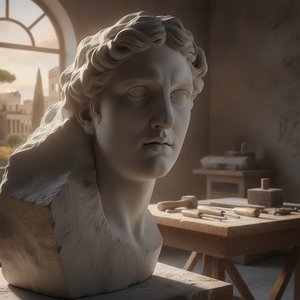
The Eternal Beauty of Marble: A Guide to Sculpting Light, Stone, and the Soul of Art History
Explore the sublime artistry of marble sculpture. From Greek antiquity to the masters of light, discover how stone captures the eternal essence of human beauty and emotion through expert craftsmanship and historical mastery.

The Enduring Allure of Marble in Art History: From Classical Sculpture to Modern Abstraction
Explore the captivating history of marble sculpture from ancient Greece to modern art. Discover renowned artists like Canova & Michelangelo, carving techniques, and investment insights at OriginalUniqueArt.

Bronze Sculptures That Defined Art History | OriginalUniqueArt
Journey through art history with our Top 10 bronze sculptures! Explore masterpieces by Rodin, Michelangelo & more. Discover stories behind iconic statues and find museum-quality reproductions for your home decor at OriginalUniqueArt.com.

François-Auguste Rodin: Revolutionizing Sculpture Through Emotion & Modernity
Explore the revolutionary world of Auguste Rodin, the founder of modern sculpture. Discover his iconic works like 'The Kiss' & 'The Thinker,' innovative techniques, and lasting impact on art history. A deep dive into emotion and realism.
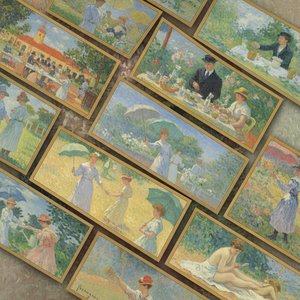
르누아르 명작 25선: 빛과 색채로 물든 삶의 순간들 | OriginalUniqueArt
빛과 색채의 마법사 르누아르! 인상주의 대표 화가 르누아르의 명작 25선을 만나보세요. '물랭 드 라 갈레트', '우산 속의 소녀들' 등 시대를 초월하는 아름다움을 OriginalUniqueArt에서 감상하고, 특별한 공간을 완성하세요. 지금 바로 온라인 컬렉션을 탐험하세요!