미리보기
미리보기
 공유하기
공유하기 공유하기
공유하기
 상세 정보
상세 정보

 다운로드
다운로드
 유사 작품
유사 작품 X-레이
X-레이 슬라이드 쇼
Returning from the hunt


 더 보기
더 보기
지클레 / 아트 프린트
빠른 제작과 다양한 마감 옵션을 제공하는 박물관 품질의 지클레이 또는 캔버스 프린트. ( 손으로 그린 그림 구매 이미지 구매)




P118B $10

P118H $10

P118W $10

P438Z $10

P508JH $12

P508YH $12

P805H $10

P805Z $10

P919BZ $10

P919G $10

P919XJ $10

P959ZH $10

P968JZ $12

W106C $8

W218G $10

W218JH $8

W218Y $10

W307PJ $10

W316G $10

W316PJ $8

W316Y $10

W398PJ $8

W4111J $10

W500HY $15

W500JH $15

W692G $12

W849H $8

W940BG $15

W953PJ $8




작품의 원본 비율을 유지하는 미리 설정된 크기 중에서 선택하세요.

특정 프레임이나 공간에 맞춰 직접 치수를 입력하실 수 있습니다. 선택하신 사이즈가 원본 이미지의 비율과 일치하지 않을 경우, 작품을 크롭(자르기)하거나 이미지를 대칭 또는 단색 채우기로 확장하여 제작합니다. 제작 시작 전, 최종 확인을 위해 디지털 목업이 전송됩니다.
화면상의 미리보기는 실제 크롭이나 확장 상태를 반영하지 않으므로, 최종 구도는 오직 목업을 통해서만 정확하게 확인하실 수 있습니다.
맞춤 사이즈 제작도 가능하지만, 원본 비율을 유지하기 위해서는 사전 정의된 목록에서 치수를 선택하시는 것을 권장합니다.


 유리 옵션은 110cm 미만 크기에서만 선택 가능합니다.

Returning from the hunt
지클레 / 아트 프린트
복제본 크기
-


최종 결제 금액
$ 80
The Scene Unfolds: A Journey Through Goya’s Vision
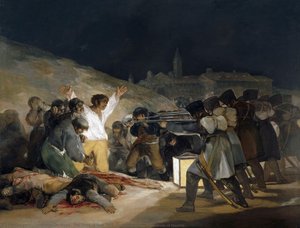
Francisco José de Goya y Lucientes' "Returning from the Hunt" isn’t merely a depiction of a sporting event; it’s a profound meditation on human endeavor, the weight of experience, and the subtle anxieties simmering beneath the surface of 18th-century Spanish society. Painted in 1784, during Goya’s period as court painter to Charles III, the scene unfolds with an almost unsettling stillness – a deliberate contrast to the dynamism typically associated with hunting narratives. A group of men, returning from a successful pursuit, are led by a stoic figure on horseback, his face etched with weariness and a hint of triumph. Behind him walk two companions, their postures suggesting a shared burden of responsibility and perhaps even a quiet melancholy. The composition isn’t one of heroic celebration; instead, it's imbued with a palpable sense of exhaustion and the lingering echoes of violence.
- The Figures: Each man is rendered with meticulous detail – the sweat glistening on their brows, the creases in their clothing, the subtle shifts in their facial expressions. They are not idealized heroes but recognizable individuals, burdened by the realities of their profession and the consequences of their actions.
- The Horse: The lead horse, a magnificent destrier, is equally compelling, its muscles taut with effort, its eyes reflecting the light of the setting sun. It’s a powerful animal, yet it too carries an air of fatigue, suggesting the immense strain placed upon it by its rider.
- The Landscape: The forest backdrop isn't a picturesque ideal; it’s dense and shadowed, hinting at the dangers lurking within the wild. The muted colors – browns, greens, and greys – contribute to the overall atmosphere of subdued intensity.
A Brushstroke of Realism: Goya’s Technique
Goya's mastery lies not just in his ability to capture a scene but in his innovative use of technique. He employed a loose, expressive brushstroke – a hallmark of his later work – that departs significantly from the polished smoothness favored by the Neoclassical painters of the time. This deliberate roughness lends the painting an immediacy and emotional resonance that is remarkably powerful. Notice how he uses *sfumato*—a subtle blurring of lines and edges—to create a sense of depth and atmosphere, particularly in the background. The light, filtered through the trees, casts long shadows, adding to the painting’s dramatic effect.
Color Palette:** Goya's color choices are restrained yet evocative. He favors earthy tones – ochres, browns, and greys—to create a sense of realism and grounding. The subtle use of red in the figures’ clothing draws attention to their faces and adds a touch of warmth to the otherwise somber scene.Historical Context: Spain at the Turn of the Century
“Returning from the Hunt” was painted during a period of significant social and political change in Spain. The reign of Charles III marked a shift towards enlightened reforms, but beneath the surface lay simmering tensions between tradition and modernity. Goya’s work reflects this duality—a blend of classical influences and a growing awareness of human suffering. The hunting scene itself was a popular pastime among the Spanish aristocracy, symbolizing status, skill, and control over nature. However, Goya subtly subverts this traditional narrative by focusing on the emotional toll of the hunt rather than its outward spectacle.
Goya’s work during this period is often interpreted as a commentary on the corruption and decadence of the Spanish court, while simultaneously offering a glimpse into the lives of ordinary people. The painting can be seen as a reflection of the anxieties and uncertainties that characterized Spain at the end of the 18th century.Symbolism and Emotional Resonance
Beyond its literal depiction of a hunting party, “Returning from the Hunt” is rich in symbolism. The weary figures represent not just hunters but also soldiers, laborers, or perhaps even members of the aristocracy burdened by responsibility. The horse symbolizes power and control, but also vulnerability and exhaustion. The painting’s overall mood—a blend of stoicism, melancholy, and quiet resignation—suggests a deeper commentary on the human condition. It's a poignant reminder that even in moments of apparent triumph, there is always an underlying sense of loss or disillusionment. The painting invites viewers to contemplate not just what they see but also what lies beneath the surface – the unspoken anxieties and hidden emotions that shape our lives.
작가 약력
프란시스코 고야: 어둠과 빛으로 그려낸 스페인의 영혼
프란시스코 호세 데 고야 이 루시에테스(Francisco José de Goya y Lucientes)라는 이름은 예술사의 연대기 속에서 깊이 울려 퍼지는 파멸적인 역설을 담고 있습니다. 그는 자신의 시대의 전통에 흠뻑 빠져 있었던 옛 거장들의 산물이었으며, 동시에 현대 미술의 불안과 표현의 자유를 예견했던 선구자였습니다. 1746년 스페인의 작은 마을 푸엔테도스에서 태어난 고야는 지방 출신 야심가적인 화가에서 궁정 화가가 되고, 결국 인간의 고통과 사회적 타락을 기록하는 역사가로 변모하는 여정은 그의 뛰어난 재능과 그를 둘러싼 격동적인 시대에 대한 증거입니다. 그의 초기 훈련은 호세 루잔 이 마르티네스(José Luzán y Martínez) 밑에서 14세에 시작되어 전통적인 기법의 토대를 다졌고, 이후 마드리드로 옮겨 안톤 라파엘 멩스(Anton Raphael Mengs)와 함께 예술계의 지배적인 인물의 지도 아래 기술을 연마했습니다. 이 초기 시기는 그에게 형태와 구도의 숙달을 심어주었고, 이는 그의 초기 의뢰작인 왕실 태피스트리 공장의 디자인에서 드러나는데, 일상생활의 생생한 장면을 보여주는 작품으로 로코코 감성을 스페인의 사실주의적 특색과 결합했습니다. 또 다른 화가의 여동생 호세파 바예우(Josefa Bayeu)와의 결혼은 왕실 사회 내 그의 입지를 더욱 공고히 했습니다. 이러한 초기 작품들은 매력적이고 능숙하게 제작되었지만, 그의 후기 작품을 정의할 심오한 감정적 깊이와 불안정한 어둠에 대한 힌트를 거의 제공하지 못했습니다.궁정의 은총에서 내면의 혼란으로: 변모와 변화
고야의 궁정 계급에서의 상승은 꾸준했습니다. 그는 1786년 왕실 회화사가 되어 귀족과 왕족으로부터 초상화 의뢰를 끊임없이 받았습니다. 이러한 초상화는 단순히 피사체의 모습을 기술하는 것 이상으로, 고야가 놀라운 능력을 발휘하여 피사체의 성격, 취약성, 심지어 숨겨진 불안까지 드러냈기 때문에 주목할 만합니다. 예를 들어 칭촌 백작부인은 우아한 드레스를 입은 아름다운 여성일 뿐만 아니라 지성과 어쩌면 약간의 침울함이 느껴지는 인물입니다. 그러나 궁정적인 성공의 표면 아래, 고야 안에서 변혁이 일어나고 있었습니다. 1793년 심각한 질병으로 그는 청력을 잃었고, 이는 그의 세계 인식에 깊은 영향을 미쳐 예술과 함께 변화를 가져왔습니다. 이 질병은 그를 격렬한 자기 성찰과 고립의 시기로 몰아넣어 한때 즐겼던 사회 생활과의 연결을 끊고 더 어둡고 주관적인 현실로 향하게 했습니다. 그의 예술적 스타일의 변화는 극적이었습니다. 밝은 색상과 쾌활한 장면은 사라지고, 대신 음울한 팔레트, 느슨한 붓놀림, 감정 강렬함으로 가득 찬 구도가 나타났습니다. 그는 광기, 폭력, 비이성이라는 주제를 탐구하며 다가오는 수십 년 동안 유럽을 괴롭힐 불안을 예견했습니다.어둠의 환상: 카프리초스, 재앙, 검은 그림
예술적 격동의 시기는 고야의 가장 상징적인 작품 중 일부로 이어졌습니다. 1799년에 출판된 팔십 개의 판화 모음인 <카프리초스>(Los Caprichos)는 스페인 사회에 대한 날카로운 풍자이며, 그 어리석음, 미신, 도덕적 부패가 놀라운 재치와 냉소적인 아이러니로 드러납니다. 이 이미지는 기괴하면서도 매혹적이며 마녀, 괴물, 귀족들의 익살스러운 모습으로 가득 차 있으며, 모든 것이 숙달된 판화 기술을 통해 묘사되었습니다. 그러나 <전쟁의 재앙>(The Disasters of War)은 1810년부터 1820년 사이에 제작되었으며, 고야를 인간 고통의 무서운 기록자로서 확고히 자리매김했습니다. 이 가슴 아픈 판화는 나폴레옹 전쟁의 잔혹함을 묘사하며 양측 모두가 저지른 잔학 행위, 기아, 절망, 스페인 국민에게 가해진 엄청난 파괴를 보여줍니다. 이것들은 전투에 대한 영웅적인 묘사가 아니라 공포의 무자비한 묘사이며, 어떤 로맨티시즘이나 찬양도 없습니다. 어쩌면 가장 불안하게 느껴지는 것은 그가 1819년부터 1823년 사이에 “청각 장애인의 빌라”(Quinta del Sordo)로 알려진 자신의 집 벽에 직접 그린 열네 개의 프레스코화인 <검은 그림>(The Black Paintings)입니다. 이 작품들은 절망, 광기, 실존적 공포의 주제를 전례 없는 강렬함으로 표현하며 전통적인 예술적 관습에서 벗어나 추상 미술의 표현력을 예견합니다.혁신과 영향의 유산
1824년 스페인의 정치적 불안에 환멸을 느낀 고야는 보르도, 프랑스로 망명하여 죽음에 이르기까지 작업했습니다. 그의 마지막 해에는 판화 제작에 대한 관심이 다시 높아져 투우의 광경과 잔혹함을 탐구한 <투우>(La Tauromaquia) 시리즈로 마무리되었습니다. 프란시스코 고야의 유산은 엄청나고 광범위합니다. 그는 예술사에서 중요한 위치를 차지하며 옛 거장과 현대 운동 사이의 간극을 좁히는 선구자입니다. 그의 영향력은 뒤따라온 수많은 예술가들에게서 볼 수 있으며, 에두아르 마네(Édouard Manet), 파블로 피카소(Pablo Picasso)부터 프랜시스 베이컨(Francis Bacon)에 이르기까지 표현적인 붓놀림, 심리적 깊이, 불편한 진실을 직면하려는 의지에 매료되었습니다. 그는 예술적 관습에 도전하고 혁신을 포용하며 인간 경험의 어두운 측면을 탐구하는 것을 두려워하지 않고 오늘날까지 청중에게 계속 울려 퍼지는 작품을 남겼습니다. 고야는 단순히 그림을 그리는 것이 아니라 우리 자신의 결점과 취약성을 직시하도록 강요하고 인간 정신의 지속적인 힘, 그리고 연약함을 상기시켜주는 거울을 사회에 들고 있었습니다.주제와 기법
고야의 경력 전반에 걸쳐 몇 가지 반복되는 주제가 나타납니다. 인간의 어리석음과 사회적 부패는 <카프리초스>에서 두드러지며 전쟁의 공포는 <전쟁의 재앙>에서 잔혹하게 묘사됩니다. 어둠, 미신, 비이성에 대한 매력은 그의 후기 작품 대부분에 스며들어 불안한 정신을 표현하는 <검은 그림>에서 절정에 달합니다. 기술적으로 고야는 다양한 매체에 능숙했습니다. 그는 초상화에서 뛰어났으며 신체적 유사성뿐만 아니라 심리적 깊이까지 포착했습니다. 그의 색상 사용은 초기 작품의 밝은 팔레트부터 후기 회화와 판화의 음울한 톤으로 시간이 지남에 따라 진화했습니다. 특히 그는 <로스 카프리초스>에서 드라마틱한 효과를 높이기 위해 아쿠아틴트를 사용하여 다양한 톤과 질감을 달성하는 판화 기술에서 혁신적이었습니다.- 각인: 고야의 각인 숙달은 복잡한 세부 사항과 표현적인 선을 만들 수 있게 했습니다.
- 아쿠아틴트: 이 기술을 통해 그는 인쇄물의 감정적 영향을 향상시키는 다양한 톤과 질감을 달성할 수 있었습니다.
- 붓놀림: 특히 그의 후기 회화에서 느슨하고 표현적인 붓놀림은 즉각성과 감정적 강렬함을 더했습니다.

고야
1746 - 1828 , 스페인
주요 정보
- 국적: 스페인
- 영향을 받은 예술가:
- 에두아르 마네
- 파블로 피카소
- 프랜시스 베이컨
- 영향을 준 예술가:
- 안톤 라파엘 멩스
- 호세 루잔 이 마르티네스
- 예술 사조: 낭만주의
- 전체 이름: 프란시스코 호세 데 고야 이 루시에
- 주요 작품:
- <지옥의 전쟁>
- <로스 카프리초스>
- <토성>
- <마하의 누드>
- 출생일: 1746년 3월 30일
관련 기사 더 보기

고야의 걸작 25선: 스페인의 영혼을 담은 명화 컬렉션 | OriginalUniqueArt
고야의 걸작 25선을 만나보세요. 스페인 화가 Francisco Goya의 낭만주의 회화, 어두운 색조와 강렬한 감성이 담긴 명화를 OriginalUniqueArt에서 감상하세요. 고품질 유화 복제본으로 예술 작품을 소장하고 홈 데코를 완성해보세요! 지금 바로 컬렉션을 탐험하세요.

18th Century Masters: 10 Artworks That Define an Era | OriginalUniqueArt
Journey through 18th century art! Explore 10 iconic paintings – from Rococo elegance to Neoclassical grandeur. Discover Fragonard, David & more. Find museum-quality reproductions and elevate your home decor on OriginalUniqueArt.com.
Francisco Goya: Darkness & Enlightenment – A Comprehensive Exploration of the Artist's Life, Works, and Enduring Legacy
Explore the life & works of Francisco Goya, Spain's Romantic master. Discover his evolution from court painter to a visionary chronicler of war and social injustice. A comprehensive guide for art enthusiasts.
Romantic Realism's Finest: 10 Masterpieces for Your Home | OriginalUniqueArt
Explore 10 defining masterpieces of Romantic Realism! Discover Courbet, Millet & Daumier's powerful paintings—capturing emotion and social realities. Find museum-quality reproductions for your home at OriginalUniqueArt.com.
The Noble Steed on Canvas: A Historical & Artistic Exploration of Horse Painting Across Cultures
Explore the rich history of horse painting! Discover masterpieces from Stubbs to Munnings & learn about symbolism, techniques & artists. Find museum-quality reproductions at OriginalUniqueArt.