
 미리보기
미리보기
 프린트 구매
 공유하기
공유하기 공유하기
공유하기
 상세 정보
상세 정보

 다운로드
다운로드
 유사 작품
유사 작품 X-레이
X-레이 슬라이드 쇼
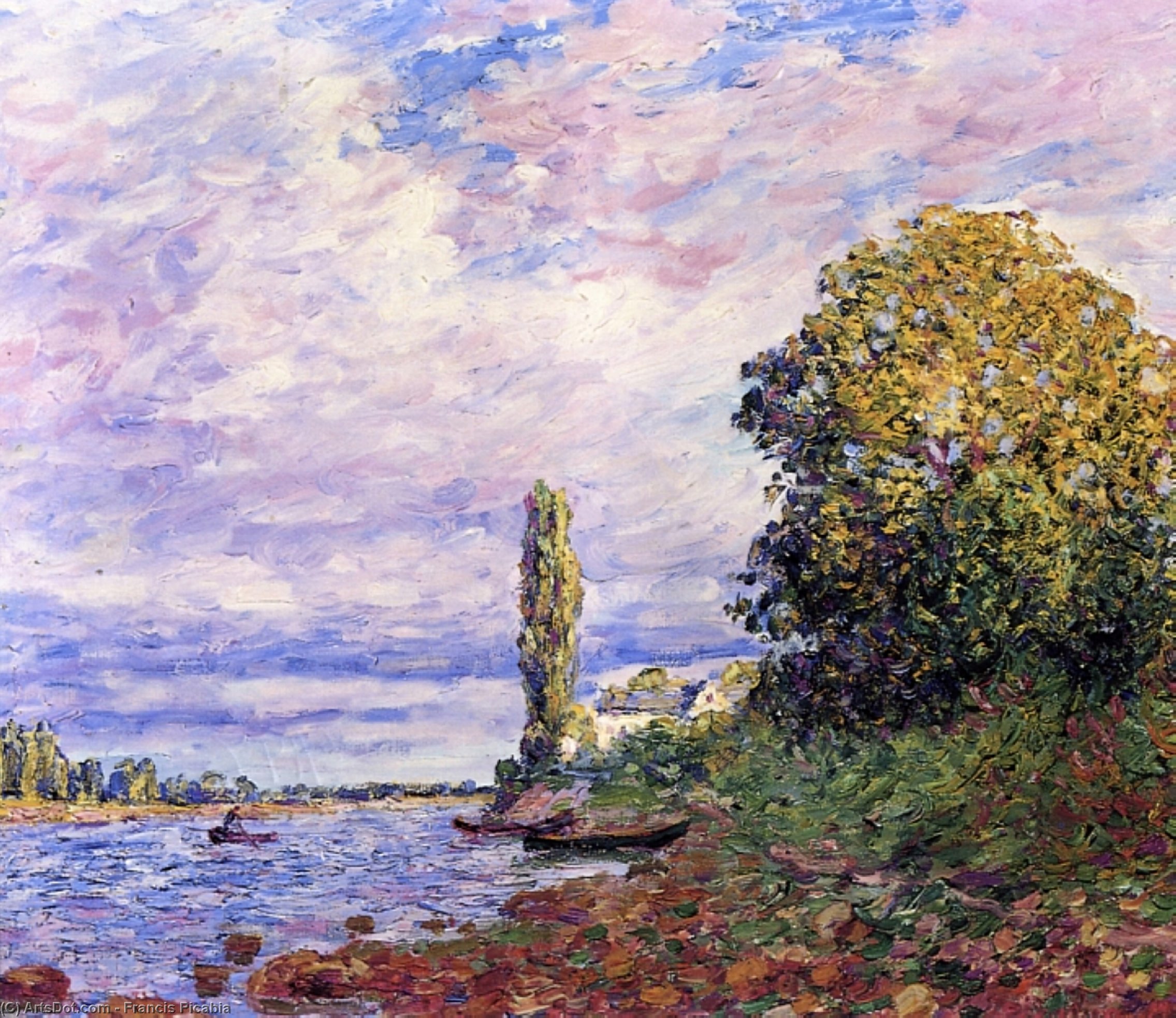
Bank at Poissy
 Oil On Canvas
- WallArt
- Impressionism
 1907
1907 73.0 x 92.0 cm
 더 보기
더 보기




P118B $10

P118H $10

P118W $10

P438Z $10

P508JH $12

P508YH $12

P805H $10

P805Z $10

P919BZ $10

P919G $10

P919XJ $10

P959ZH $10

P968JZ $12

W106C $8

W218G $10

W218JH $8

W218Y $10

W307PJ $10

W316G $10

W316PJ $8

W316Y $10

W398PJ $8

W4111J $10

W500HY $15

W500JH $15

W692G $12

W849H $8

W940BG $15

W953PJ $8




작품의 원본 비율을 유지하는 미리 설정된 크기 중에서 선택하세요.

특정 프레임이나 공간에 맞도록 직접 크기를 입력할 수 있습니다. 선택하신 크기가 원본 이미지의 비율과 일치하지 않는 경우, 작품을 자르거나 추가적인 손으로 그린 요소를 사용하여 그림을 확장합니다. 제작 시작 전 승인을 위해 디지털 목업을 보내드립니다.
화면 미리 보기는 실제 자르기 또는 확장을 반영하지 않습니다. 최종 구성은 목업을 통해서만 정확하게 확인하실 수 있습니다.
맞춤 크기 제작도 가능하지만, 원본 비율을 유지하기 위해 사전 정의된 목록에서 크기를 선택하시는 것을 권장합니다.
주문 후 OriginalUniqueArt.com 팀에서 상세 안내를 위해 고객님께 이메일을 보내드리며, 미리보기 시안을 제공해 드립니다.


 유리 옵션은 110cm 미만 크기에서만 선택 가능합니다.

Bank at Poissy
재현 기법
복제본 크기
-


최종 결제 금액
$ 300
작품 상세 설명
A Day at Poissy: Capturing Serenity in Impressionist Light
Imagine stepping onto the sun-drenched sands of Poissy, where the gentle rhythm of the waves meets the quiet permanence of history embodied by the distant church spire. Francis Picabia’s Bank at Poissy, dating to around 1907, invites us into such a moment—a quintessential slice of early twentieth-century leisure rendered with the luminous touch characteristic of Impressionism. This painting is not merely a depiction of a beach; it is an immersion into a feeling: the sweet, unburdened pleasure of a summer day spent by the water's edge. The composition guides the eye effortlessly from the foreground activity to the tranquil background, creating a visual breath that seems to slow down time itself.
The Artistry of Light and Leisure
Picabia masterfully employs the techniques associated with Impressionism, focusing less on rigid detail and more on capturing the fleeting quality of light. Notice how the blue of the sky interacts with the water, suggesting depth and endless expanse. The scattered figures—some wading near the surf, others strolling along the shore—are painted with a delicate immediacy. They are vignettes of modern life; people enjoying their time in a picturesque setting. The inclusion of two boats adds vital anchors to the scene, lending both narrative weight and a sense of gentle movement across the canvas. For those who appreciate art that evokes atmosphere over strict realism, this piece offers an unparalleled opportunity to connect with the sensory experience of a seaside outing.
Historical Echoes and Artistic Freedom
To understand Bank at Poissy is to understand Picabia himself—an artist whose life was a vibrant collision of privilege and avant-garde restlessness. While his career would later traverse Dada and Surrealism, this work anchors him beautifully within the landscape painting traditions that preceded those radical shifts. Created in 1907, it sits at a fascinating juncture, showing an engagement with established styles like Impressionism while hinting at the intellectual ferment of the coming decades. It speaks to a moment when art was still deeply connected to observable beauty, even as its boundaries were being tested by revolutionary thought.
Symbolism and Emotional Resonance for Your Space
The symbolism here is wonderfully understated. The church in the background suggests permanence and cultural grounding, standing sentinel over the ephemeral joy of the beachgoers. This juxtaposition—the eternal structure against the momentary pleasure of human life—lends the painting a profound, contemplative depth. For collectors or designers seeking to infuse a room with sophisticated tranquility, this piece acts as a visual balm. It doesn't shout; it whispers of sun-drenched afternoons and quiet contemplation. Reproducing this work allows you to bring that specific, nostalgic feeling of Parisian leisure into your home, transforming any space into a serene retreat.
작가 약력
A Life Forged in Avant-Garde Fire: The World of Francis Picabia
Francis Picabia, a name synonymous with the restless spirit of early 20th-century art, was more than just a painter; he was a provocateur, a poet, a typographer, and a relentless explorer of artistic boundaries. Born in Paris in 1879 to a French mother and a Cuban father steeped in diplomatic circles, Picabia’s life was marked by both privilege and a profound dissatisfaction with convention. This duality fueled his artistic journey, propelling him through Cubism, Dada, Surrealism, and beyond, leaving an indelible mark on the landscape of modern art. His early years were shadowed by tragedy – the loss of his mother to tuberculosis when he was just five – but also nurtured by a father who encouraged his burgeoning talent. Inheriting a substantial fortune allowed Picabia the freedom to dedicate himself entirely to artistic pursuits, a luxury that enabled him to relentlessly experiment and challenge established norms. He wasn’t merely interested in *what* art looked like; he questioned its very purpose and meaning.
From Impressionistic Beginnings to Cubist Revolution
Picabia's initial forays into the art world were rooted in the prevailing styles of the time, particularly Impressionism. He painted Parisian landscapes and riverbanks with a technical proficiency that nonetheless left him feeling unfulfilled. Critics found his work derivative, lacking originality, prompting a crucial turning point. This dissatisfaction spurred him to seek new avenues of expression, leading him towards the revolutionary ideas brewing within the Cubist movement around 1909. Joining the Puteaux Group – a collective including Marcel Duchamp and Guillaume Apollinaire – proved pivotal. He immersed himself in the deconstruction of form, the fragmentation of perspective, and the exploration of geometric abstraction. This period saw a significant shift in his aesthetic, moving away from representational accuracy towards a more conceptual approach to painting. His canvases began to pulse with a new energy, reflecting the intellectual ferment of the era. The influence of Duchamp was particularly strong, fostering a shared spirit of iconoclasm and a willingness to dismantle artistic traditions.
Dada’s Provocateur: Machines, Satire, and the Rejection of Reason
The outbreak of World War I served as a catalyst for Picabia's most radical phase – his embrace of Dadaism. Disgusted by the senseless violence and societal hypocrisy he witnessed, he rejected reason, logic, and traditional artistic values altogether. A move to New York in 1915 placed him at the heart of an emerging American Dada scene alongside Duchamp and Man Ray. It was here that Picabia truly honed his unique brand of Dadaist expression. He began creating a series of “machine drawings,” depicting fantastical mechanical contraptions – often imbued with sexual undertones – that served as biting critiques of modern society’s obsession with technology and industrialization. These works weren't simply depictions of machines; they were allegories for the dehumanizing forces at play in the world around him. His satirical wit, combined with a masterful command of line and form, made these drawings particularly potent. He published *The Little Review*, a Dadaist journal that further disseminated his provocative ideas and challenged conventional artistic norms. Universal Prostitution, a complex drawing created during this period, exemplifies his willingness to confront taboo subjects and dismantle societal expectations.
A Shifting Kaleidoscope: Surrealism and Beyond
Picabia’s artistic journey was characterized by constant evolution and a refusal to be bound by the limitations of tradition. While deeply involved with Dada, he briefly flirted with Surrealism in the 1920s, exploring the realm of dreams and the subconscious. However, even this association proved temporary. He quickly grew disillusioned with what he perceived as the rigid dogma of the Surrealist movement, preferring to maintain his independence and continue charting his own course. Throughout the latter part of his career, Picabia continued to experiment with various styles and techniques, incorporating elements of figuration, abstraction, and even transparency into his work. His later paintings often featured biomorphic forms and a vibrant palette, reflecting a renewed interest in organic shapes and sensual textures. He remained a restless innovator until his death in 1953, leaving behind a body of work that continues to challenge and inspire artists today.
Legacy: A Pioneer of Modern Artistic Freedom
Francis Picabia’s influence on modern art is undeniable. His relentless experimentation, his rejection of convention, and his willingness to embrace contradiction paved the way for generations of artists who followed. He was a true pioneer of artistic freedom, demonstrating that art could be anything – a political statement, a philosophical inquiry, a personal expression, or simply a playful exploration of form and color. His work anticipated many of the key developments in 20th-century art, from Pop Art to Conceptualism. He challenged the very definition of what constituted “art,” forcing viewers to question their own assumptions and preconceptions. Today, Picabia’s paintings are celebrated for their intellectual rigor, their visual dynamism, and their enduring relevance. His legacy lies not only in his individual masterpieces but also in his unwavering commitment to artistic innovation and his refusal to be bound by the limitations of tradition.

프란시스 피카비아
1879 - 1953 , 프랑스
주요 정보
- Artistic Movement Or Style: 다다 기법 및 초현실주의 예술
- Artists Or Movements Influenced By This Artist: ['초현실주의']
- Artists Who Influenced This Artist:
- 알프레드 시슬레
- 마르셀 뒤샹베
- Date Of Birth: 1월 22일 생
- Date Of Death: 11월 30일 사망
- Full Name: Francis Picabia
- Nationality: 프랑스인
- Notable Artworks: ['유니버설 프로스티튜션']
- Place Of Birth: 파리 프랑스
관련 기사 더 보기
Beyond the Horizon: 10 Landscape Masterpieces for Your Home Decor
Journey through 10 breathtaking landscape paintings by Monet, Van Gogh & more! Explore iconic artworks, artistic techniques & find inspiration for your home decor. Museum-quality reproductions at OriginalUniqueArt.com. Discover all masterpieces on OriginalUniqueArt.com

Impressionistic Landscapes: 10 Masterpieces That Changed Art & Decor
Journey into the heart of Impressionism! Explore 10 masterpieces by Monet, Renoir & Degas that revolutionized landscape art. Discover their stories, techniques & find museum-quality reproductions to elevate your home decor on OriginalUniqueArt.com.

인상주의 풍경화의 황홀한 순간들: 10대 걸작에 담긴 예술혼
인상주의 풍경화의 정수를 담은 10대 걸작! 모네, 르누아르 등 거장의 작품 비하인드 스토리와 예술혼을 만나보세요. OriginalUniqueArt에서 고품격 미술 복제 및 인테리어 영감을 얻고, 당신의 공간에 예술적 감성을 더하세요. 지금 바로 OriginalUniqueArt.com에서 모든 걸작을 발견해보세요!

Evocations of Place: A Historical Journey Through Landscape Art
Explore the rich history of landscape art with OriginalUniqueArt. Discover renowned artists, movements like Impressionism & Romanticism, and expert guidance for collecting timeless pieces. Find your perfect serene escape today!

Capturing Light: A Masterclass in the Ethereal Beauty of Impressionistic Landscapes
Explore the ethereal beauty of Impressionist landscapes. Discover how masters like Monet captured fleeting light through color and texture, and learn to curate these timeless, luminous masterpieces for your home collection.

