프린트 판매로 전환
 더 보기
더 보기







































 가로 또는 세로 중 어느 한 면이라도 105cm(약 41인치)를 초과하는 작품이나 복제화의 경우, 프레임은 분해된 키트 형태로 배송됩니다. 이는 안전한 배송을 보장하고 운송 중 발생할 수 있는 손상을 방지하기 위함입니다.


A Portrait of Isolation: Examining Francis Bacon’s “Triptych, Left”
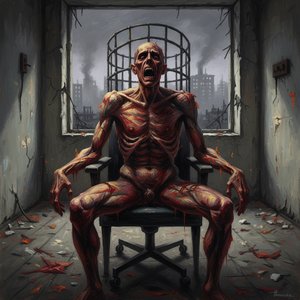
Francis Bacon's "Triptych, Left" stands as a monumental testament to the artist’s unflinching exploration of human vulnerability and psychological torment. Completed in 1977, this unsettling masterpiece transcends mere representation; it plunges viewers into a realm of visceral emotion where form relentlessly pursues feeling. The painting depicts a solitary figure seated on a chair, positioned at an oblique angle—a deliberate compositional choice designed to heighten the sense of unease and detachment. Bacon’s signature style – characterized by jagged lines, distorted forms, and unsettling textures – is powerfully evident here, mirroring the fractured psyche he sought to convey.- Style: Expressionism – Bacon eschewed traditional academic conventions, prioritizing subjective experience over objective observation.
- Technique: Thickly applied oil paint—Bacon employed a technique known as “dragging,” where pigment is pulled across the canvas surface to create palpable ridges and grooves. This physicality underscores the painting’s emotional intensity.
- Color Palette: Dominated by muted reds, browns, and blacks – These colors contribute to the overall atmosphere of gloom and decay, reflecting themes of mortality and suffering.
Historical Context & Influences
Bacon's work emerged during the postwar period, a time marked by disillusionment and anxiety following the devastation of World War II. He drew inspiration from Surrealism and Freud’s psychoanalytic theories, particularly his concept of the unconscious mind—a preoccupation with repressed desires and anxieties that fueled Bacon’s artistic vision. The painting reflects the broader cultural mood of its era, grappling with questions of identity, trauma, and the human condition in the face of existential dread.Symbolism & Emotional Resonance
“Triptych, Left” operates on multiple symbolic levels. The seated figure embodies stillness amidst chaos—a paradoxical representation of inner turmoil. Bacon deliberately avoids depicting a recognizable face, furthering this ambiguity and inviting viewers to project their own emotions onto the canvas. The jagged lines and distorted forms serve as visual metaphors for psychological fragmentation, mirroring the fractured state of consciousness. Ultimately, the painting compels us to confront uncomfortable truths about human suffering and mortality—a visceral reminder of our shared vulnerability.Why Choose a Reproduction?
A high-quality reproduction of “Triptych, Left” allows you to experience Bacon’s masterful technique and profound emotional depth within your own home environment. OriginalUniqueArt offers meticulously crafted reproductions that faithfully capture the painting's textures and colors, bringing its unsettling beauty into focus. Invest in an artwork that speaks to the soul—a timeless piece of art history destined to inspire contemplation and provoke emotion for generations to come.질의응답
"Triptych, left"에 대한 가이드는 어디에서 확인할 수 있나요?
프랜시스 베이컨의 "Triptych, left"의 학습 가이드 페이지에서는 인쇄 가능한 두 장 분량의 학습용 팩트시트를 제공합니다. 여기에는 작품과 상세 정보표, 작가의 생애 속 시기를 보여주는 연대기, 해당 작가의 다른 작품들, 추출된 컬러 팔레트, 그리고 네 가지 스타일로 바로 복사하여 사용할 수 있는 인용 문구가 포함되어 있습니다.
"Triptych, left"은(는) 어떤 화풍에 속하나요?
프랜시스 베이컨의 "Triptych, left"과(와) 관련된 미술 사조는 Contemporary Realism입니다. 이러한 분류를 통해 해당 작품을 관련 작가 및 예술 작품들과 함께 파악할 수 있습니다.
"Triptych, left"이(가) 프랜시스 베이컨의 가장 인기 있는 작품 중 하나인가요?
프랜시스 베이컨의 "Triptych, left"의 기록된 인기도는 Iconic입니다.
이 작품에 대해 더 알아보기
 미리보기
미리보기
 공유하기
공유하기 공유하기
공유하기
 상세 정보
상세 정보 가이드 보기

 다운로드
다운로드
 유사 작품 더 보기
 X-레이
X-레이 슬라이드 쇼 보기
 질의응답
질의응답 통계 정보
통계 정보