

 실제 크기로 보기
 보내기
보내기 공유하기
공유하기
 상세 보기
상세 보기 가이드 보기

 이미지 다운로드
 유사 작품 더 보기
 X-레이
X-레이 슬라이드 쇼 보기
 Q&A
Q&A 통계 정보
통계 정보Study for Portrait on Folding Bed


 상세 보기
상세 보기
이 페이지에 표시된 작품은 저작권법의 보호를 받으며, 이에 따라 동일한 복제품을 제작하거나 판매하는 것은 법으로 금지되어 있습니다. 이러한 권리 보호는 다음과 같은 국제 협약에 따라 시행됩니다. 베른 협약 또한 다음에서 명시하는 법률을 포함한 국내법에 의해 보호됩니다. 미국 저작권법 제17조.
저희는 존중을 담은 합법적인 대안으로서, 원작에서 영감을 받은 맞춤형 수제 유화 작품을 제공합니다. 저희의 숙련된 전문 화가들은 원작의 스타일, 분위기, 예술적 정수를 면밀히 연구하여, 그 자체로 독창적인 창작물이면서도 원작과 동일한 감동을 불러일으키는 새로운 작품을 만들어냅니다.
이 방식은 저작권 보호를 받는 예술 작품을 복제하거나 그대로 재현하는 것이 아니기에 저작권 규정을 완벽히 준수합니다. 대신, 이는 창의적인 재해석의 과정을 거칩니다. 즉, 원작에서 영감을 받되 원작과 동일하지 않은 새로운 회화 작품을 의미합니다.
핸드메이드 유화 복제화
작가가 직접 캔버스에 손으로 그린 유화 작품으로, 원하는 크기와 액자로 맞춤 제작해 드립니다. ( 프린트 판매로 전환 디지털 이미지 판매 채널로 전환)




P118B ₩10

P118H ₩10

P118W ₩10

P438Z ₩10

P508JH ₩12

P508YH ₩12

P805H ₩10

P805Z ₩10

P919BZ ₩10

P919G ₩10

P919XJ ₩10

P959ZH ₩10

P968JZ ₩12

W106C ₩8

W218G ₩10

W218JH ₩8

W218Y ₩10

W307PJ ₩10

W316G ₩10

W316PJ ₩8

W316Y ₩10

W398PJ ₩8

W4111J ₩10

W500HY ₩15

W500JH ₩15

W692G ₩12

W849H ₩8

W940BG ₩15

W953PJ ₩8




작품의 원본 비율을 그대로 유지하는 프리셋 사이즈 중에서 선택해 보세요.

액자나 벽면 크기에 맞춰 필요한 가로와 세로 길이를 입력해 주세요. 본 작품은 수작업으로 제작되므로, 요청하신 비율에 따라 작가가 그림의 가장자리를 조금 더 넓게 그리거나 일부를 조정하여 작업할 수 있습니다. 작업 시작 전, 최종 확인을 위해 디지털 목업 이미지를 보내드립니다. 이 페이지에 표시된 이미지는 실제 결과물과 다를 수 있으며, 오직 목업 이미지만이 정확한 결과물을 보여줍니다.
주문 완료 후 OriginalUniqueArt.com 팀에서 상세 안내를 위해 고객님께 이메일을 보내드리며, 미리보기 시안을 함께 제공해 드립니다.


 유리 옵션은 110cm 미만 크기에서만 선택 가능합니다.

Study for Portrait on Folding Bed
재현 매체
복제본 규격
-


총 결제 금액
₩ 406080
Study for Portrait on Folding Bed
Francis Bacon, one of the most influential and enigmatic artists of the 20th century, is renowned for his powerful and unsettling paintings that explore themes of human suffering, isolation, and mortality. Among his numerous masterpieces, ‘Study for Portrait on Folding Bed’ (1963) stands out as a prime example of Bacon's unique style and artistic vision.The Artistic Vision of Francis Bacon
Born in Dublin, Ireland, in 1909, Francis Bacon moved to London in the early 1920s, where he began his artistic career. Influenced by a wide range of artists and movements, including Pablo Picasso, Surrealism, and Abstract Expressionism, Bacon developed a highly personal style that combined figurative representation with abstraction, distortion, and raw emotional intensity. Bacon's paintings are characterized by their use of vivid colors, bold brushstrokes, and fragmented forms, which create a sense of disorientation and psychological tension. His subjects often appear isolated or trapped within claustrophobic spaces, evoking feelings of anxiety, despair, and existential angst.Study for Portrait on Folding Bed: A Masterpiece of Expressionism
In ‘Study for Portrait on Folding Bed’, Bacon depicts a solitary figure lying on a folding bed, surrounded by an abstract and ambiguous environment. The painting is dominated by a rich palette of reds, oranges, and yellows, which create a sense of heat and intensity that seems to emanate from the canvas. The central figure in the painting appears distorted and fragmented, with its features obscured by thick layers of paint. The use of sand mixed into the oil paint adds texture and depth to the composition, further emphasizing the physicality and materiality of the work. Despite its abstract qualities, ‘Study for Portrait on Folding Bed’ retains a strong sense of figuration, with the figure's pose and posture suggesting a state of vulnerability and emotional turmoil. The painting invites viewers to contemplate the human condition and the complexities of the psyche, while also challenging our perceptions of reality and representation.The Legacy of Francis Bacon
Throughout his career, Francis Bacon remained a controversial figure in the art world, with many critics praising his innovative approach to painting while others dismissed his work as grotesque and disturbing. Nevertheless, his influence on subsequent generations of artists cannot be overstated, with countless painters and sculptors drawing inspiration from his unique style and artistic vision. Today, ‘Study for Portrait on Folding Bed’ remains one of Bacon's most iconic and celebrated works, serving as a testament to the enduring power of Expressionism and the transformative potential of art. To explore more masterpieces by Francis Bacon and other renowned artists, visit OriginalUniqueArt.Additional Research
‘Study for Portrait on Folding Bed’ was created in 1963 during Bacon's prolific output period, marking a pivotal moment in his artistic evolution. It exemplifies his signature technique of layering oil paint onto canvas with sand, resulting in surfaces that are both tactile and visually arresting. The painting’s unsettling imagery—a distorted human form rendered against an amorphous backdrop—reflects Bacon’s preoccupation with themes of trauma, repression, and the fragility of identity. Influenced by Surrealist ideas and exploring psychological landscapes, Bacon sought to capture not just what he saw but also what he felt—the visceral experience of suffering and vulnerability. The artwork's formal elements contribute significantly to its emotional impact. The bold color scheme—primarily reds, oranges, and yellows—intensifies the sense of unease and conveys a feeling of impending doom. Bacon’s deliberate distortion of anatomical proportions underscores the disintegration of form and symbolizes the breakdown of rational thought. Furthermore, the inclusion of sand introduces an element of materiality that grounds the painting in the physical realm while simultaneously suggesting instability and decay. The painting's historical context is crucial to understanding its significance. Produced during the Cold War era, ‘Study for Portrait on Folding Bed’ speaks to anxieties about nuclear annihilation and the dehumanizing effects of totalitarian regimes. Bacon’s unflinching portrayal of human suffering reflects a broader cultural preoccupation with confronting uncomfortable truths and exploring the darker aspects of human experience. The painting's enduring appeal lies in its ability to provoke contemplation and elicit emotional responses from viewers. It confronts us with unsettling images that challenge our assumptions about beauty and representation, forcing us to confront the complexities of human psychology and the inevitability of mortality. As a cornerstone of Expressionist art, ‘Study for Portrait on Folding Bed’ continues to inspire artists and audiences alike—a haunting reminder of the power of art to illuminate the darkest recesses of the human soul. Francis Bacon: Explore more works by Francis Bacon on OriginalUniqueArt.질의응답
"Study for Portrait on Folding Bed"의 뒤에 숨겨진 예술가와 화풍은 무엇인가요?
"Study for Portrait on Folding Bed"은(는) Expressionism 양식으로 프랜시스 베이컨가 제작하였습니다. 작가와 미술 사조는 해당 작품의 전통을 나타냅니다.
프랜시스 베이컨의 "Study for Portrait on Folding Bed"의 대비는 어느 정도로 강한가요?
프랜시스 베이컨의 "Study for Portrait on Folding Bed"의 대비 수준은 Bold입니다.
프랜시스 베이컨의 "Study for Portrait on Folding Bed"에는 어떤 소재가 등장하나요?
"Study for Portrait on Folding Bed"의 소재는 human suffering, isolation, mortality, abstract form, red palette, psychological tension, fragmented figure입니다.
작가 소개
프랜시스 베이컨: 고통과 존재의 심연을 탐구한 화가
프랜시스 베이컨은 20세기 미술에 깊은 상흔을 남긴 아일랜드 출신의 영국 화가로, 인간 존재의 가장 원초적인 감정과 불안을 날카롭게 드러낸 작품들로 유명합니다. 1909년 더블린에서 태어난 그는 어린 시절부터 불우하고 불안정한 환경 속에서 성장했습니다. 아버지와의 복잡한 관계, 엄격한 가정 분위기, 그리고 끊임없는 이주는 그의 내면에 깊은 상처를 남겼고, 이는 이후 작품 전반에 걸쳐 드러나는 고독과 절망감의 근원이 되었습니다. 베이컨은 정규 미술 교육을 받지 않았지만, 타고난 예술적 감각과 끊임없는 탐구를 통해 자신만의 독특한 화풍을 구축했습니다. 초기에는 경박하고 방탕한 생활을 즐겼으나, 20대 후반에 이르러 우연히 접한 세르게이 에이젠슈타인의 영화 <전함 포템킨> 속 비명 지르는 여성의 클로즈업 장면은 그의 예술적 전환점을 마련했습니다. 이 이미지에서 영감을 받아 그는 인간 존재의 근원적인 고통과 공포를 표현하는 데 몰두하기 시작했습니다.영향과 스타일: 파괴와 재창조
베이컨의 작품 세계는 다양한 예술가들과 사상가들에게 영향을 받았습니다. 파블로 피카소의 변형된 인물 묘사는 그의 초기 작품에 큰 영향을 미쳤으며, 에곤 실레의 표현주의적 왜곡은 인간의 고통과 불안을 시각적으로 드러내는 데 중요한 영감을 제공했습니다. 또한, 디에고 벨라스케스의 <인노센트 10세 교황 초상>은 베이컨에게 끊임없는 모티브가 되어, 그는 이 작품을 재해석하며 권위와 위엄 대신 고독과 절망을 강조하는 독특한 이미지를 창조했습니다. 그의 스타일은 전통적인 표현 방식을 거부하고 파괴적인 붓질과 왜곡된 형태를 통해 인간 존재의 불안정성과 취약성을 극명하게 드러냅니다. 배경을 단순화하거나 제거하고 인물을 고립시키는 방식은 그들의 내적 갈등과 고독감을 더욱 부각시킵니다. 베이컨은 색채 또한 효과적으로 활용하여 작품에 강렬한 감정적 분위기를 부여했습니다. 칙칙하고 어두운 색조는 절망감과 불안을, 때로는 강렬한 대비를 이루는 색상은 격렬한 감정을 표현하는 데 사용되었습니다.주요 작품과 주제: 고통의 형상화
베이컨은 주로 삼중 연작(Triptych) 형식으로 작품을 제작하여 인간 존재의 복잡성과 다층성을 효과적으로 드러냈습니다. 그의 대표작인 <십자가에 못 박힌 예수의 세 연구>(Three Studies for Figures at the Base of a Crucifixion, 1944)는 전쟁의 상흔과 인간의 고통을 강렬하게 표현한 작품으로 평가받습니다. 이 작품에서 베이컨은 종교적인 의미를 넘어선 근원적인 공포와 절망감을 형상화했습니다. 또한, <교황 인노센트 10세> 연작은 벨라스케스의 원작을 재해석하여 권위 있는 교황의 모습을 비명 지르는 악몽으로 변모시켰습니다. 이는 인간 존재의 허무함과 고독을 상징하는 그의 대표적인 주제를 잘 보여줍니다. 그는 자신의 연인 조지 다이어의 죽음 이후 더욱 어두운 분위기의 작품들을 제작했는데, 특히 <블랙 트리프틱> 연작은 슬픔과 상실감에 잠긴 베이컨의 내면세계를 반영합니다.예술사적 의의와 유산: 현대 미술의 지평을 넓히다
프랜시스 베이컨은 20세기 현대 미술의 흐름을 선도하며, 표현주의를 넘어선 독창적인 예술 세계를 구축했습니다. 그의 작품은 인간 존재의 어두운 측면과 고통을 가감 없이 드러내며 관객에게 깊은 충격을 안겨줍니다. 그는 전통적인 회화 기법을 파괴하고 새로운 표현 방식을 모색하며 현대 미술의 지평을 넓혔습니다. 베이컨의 영향은 데미안 허스트, 제니 새빌 등 후대 예술가들에게까지 이어져 왔으며, 그의 작품은 현재 전 세계 주요 미술관에 소장되어 있으며 높은 가격에 거래되고 있습니다. 그는 단순한 화가를 넘어 현대 사회의 불안과 고독을 상징하는 아이콘으로 자리 잡았습니다. 베이컨의 그림들은 우리에게 인간 존재의 취약성과 고통을 직시하게 하며, 동시에 예술의 힘을 통해 이러한 감정을 극복하고 이해할 수 있다는 희망을 제시합니다.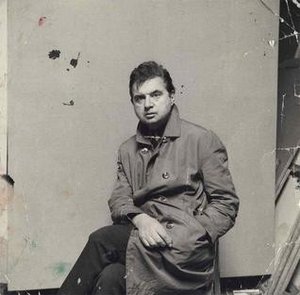
프랜시스 베이컨
1909 - 1992 , 아일랜드
작가 정보 요약
- 국적: 아일랜드-영국
- 사망일: 1992년 4월 28일
- 영향을 받은 예술 사조: ['전후 표현주의']
- 영향을 준 예술가:
- 파블로 피카소
- 에곤 실레
- 예술 사조: 표현주의
- 전체 이름: 프랜시스 베이컨
- 주요 작품:
- 세 가지 연구: 십자가 아래 인물
- 교황 시리즈
- 조지 다이어 초상화
- 출생일: 1909년 10월 28일
- 출생지: 더블린, 아일랜드
관련 기사

German Expressionism's 10 Defining Masterpieces | Art for Your Home
Explore 10 defining German Expressionism masterpieces – from Munch's 'The Scream' to Kandinsky’s abstracts. Discover the artists, stories & bold colors behind this powerful art movement. Find museum-quality reproductions at OriginalUniqueArt.com.
프랜시스 베이컨의 걸작 25선: 강렬한 감정과 시대를 초월하는 예술 (Francis Bacon's 25 Masterpieces: Intense Emotion & Timeless Art)
프랜시스 베이컨의 강렬하고 파격적인 세계로. 현대 미술 거장의 대표작 25선을 만나보세요. 절망, 고독, 인간 존재에 대한 깊은 성찰을 담은 작품들을 감상하고, OriginalUniqueArt.com에서 최고 품질의 그림 복제본과 인테리어 아이디어를 찾아보세요.

Crimson Threads of Narrative: Exploring Symbolism & Representation in Artworks Featuring the Red Dress
Explore the rich symbolism of the red dress in art history! From ancient power displays to iconic portraits like Cézanne’s 'Madame Cezanne', discover the cultural and artistic significance behind this captivating color. Expert analysis & insights.

마크 로스코 최고작 25선: 색채로 표현된 심오한 감정과 예술의 세계 | OriginalUniqueArt
마크 로스코 최고작 25선을 만나보세요. 추상 표현주의 거장의 색채로 표현된 심오한 감정과 예술의 세계를 탐험하고, OriginalUniqueArt에서 명화 복제본과 특별한 인테리어 아이디어를 찾아보세요. 지금 바로 컬렉션을 확인하세요!
The Existential Anguish of Francis Bacon: Trauma, Form & the Post-War Condition
Explore the profound existential anguish of Francis Bacon's art. Discover how trauma shaped his iconic paintings & lasting influence on modern expressionism. A guide for discerning collectors.


