

 실제 크기로 보기
 보내기
보내기 공유하기
공유하기
 상세 보기
상세 보기 가이드 보기

 이미지 다운로드
 유사 작품 더 보기
 X-레이
X-레이 슬라이드 쇼 보기
 통계 정보
통계 정보Bust of a Lady


 상세 보기
상세 보기
핸드메이드 유화 복제화
작가가 직접 캔버스에 손으로 그린 유화 작품으로, 원하는 크기와 액자로 맞춤 제작해 드립니다. ( 프린트 판매로 전환 디지털 이미지 판매 채널로 전환)




P118B $10

P118H $10

P118W $10

P438Z $10

P508JH $12

P508YH $12

P805H $10

P805Z $10

P919BZ $10

P919G $10

P919XJ $10

P959ZH $10

P968JZ $12

W106C $8

W218G $10

W218JH $8

W218Y $10

W307PJ $10

W316G $10

W316PJ $8

W316Y $10

W398PJ $8

W4111J $10

W500HY $15

W500JH $15

W692G $12

W849H $8

W940BG $15

W953PJ $8




작품의 원본 비율을 그대로 유지하는 프리셋 사이즈 중에서 선택해 보세요.

특정 프레임이나 공간에 맞춰 원하는 크기를 직접 입력하실 수 있습니다. 선택하신 크기가 원본 이미지의 비율과 일치하지 않을 경우, 작품을 자르거나 추가적인 수작업 요소를 더해 그림을 확장하여 제작합니다. 제작 시작 전, 최종 확인을 위해 디지털 목업을 보내드립니다.
화면상의 미리 보기는 실제 크롭(자르기)이나 확장된 상태를 완벽히 반영하지 않을 수 있습니다. 최종 구도는 오직 목업을 통해서만 정확하게 확인하실 수 있습니다.
맞춤 크기 제작도 가능하지만, 원본의 비율을 그대로 유지하기 위해서는 미리 정의된 목록에서 크기를 선택하시는 것을 권장합니다.
주문 완료 후 OriginalUniqueArt.com 팀에서 상세 안내를 위해 고객님께 이메일을 보내드리며, 미리보기 시안을 함께 제공해 드립니다.


 유리 옵션은 110cm 미만 크기에서만 선택 가능합니다.

Bust of a Lady
재현 매체
복제본 규격
-


총 결제 금액
$ 300
Francesco Laurana’s Bust of Lady: A Renaissance Echo in Gothic Tradition
The artwork presented here – Francesco Laurana's “Bust of Lady” – stands as a poignant testament to the artistic dialogues that characterized the late fifteenth century. Produced around 1487, this marble sculpture embodies the complex interplay between the stylistic conventions of Gothic art and the burgeoning humanist spirit of the Renaissance, marking a pivotal moment in European artistic history. While Laurana’s oeuvre remains largely enigmatic due to the absence of signatures or precise dating—a frustrating challenge for scholars attempting to pinpoint its exact provenance—the bust itself speaks volumes about the prevailing aesthetic sensibilities of its time.A Synthesis of Styles: Gothic Influence and Renaissance Naturalism
Laurana's artistic lineage is firmly rooted in German art, specifically the Mainz school under Mathis Nithart, where he honed his skills amidst a tradition deeply invested in meticulous detail and expressive realism. However, Laurana wasn’t merely replicating established forms; he actively wrestled with them, incorporating elements of Gothic sculpture – notably the stylized drapery and subtle modeling – into compositions infused with Renaissance ideals. This fusion is particularly evident in the bust's serene countenance and delicately rendered facial features, reflecting a desire to portray human beauty with unprecedented accuracy—a hallmark of humanist thought that championed observation and anatomical precision. The artist skillfully captures the essence of his subject, conveying not just physical likeness but also an intangible quality of contemplative grace.Technique and Material: Marble as Medium for Spiritual Reflection
Laurana’s mastery lies in his command of marble – a material chosen not only for its durability but also for its ability to convey texture and luminosity. The sculptor meticulously carved the marble, utilizing techniques honed over years of experience, resulting in surfaces that shimmer subtly with reflected light—a deliberate choice designed to imbue the sculpture with an aura of ethereal beauty. Close examination reveals subtle gradations of tone and shading, demonstrating Laurana’s dedication to achieving a lifelike representation of form. The polished surface enhances the visual impact, emphasizing the sculptural qualities of the piece and highlighting the artist's meticulous attention to detail.Historical Context: Venice and Artistic Rivalry
Laurana worked primarily in Venice during the Venetian Renaissance, a period marked by intense competition between Italian masters like Botticelli and Michelangelo and their northern counterparts. This rivalry fueled innovation and experimentation, pushing artists to redefine artistic boundaries and explore new expressive possibilities. Laurana’s work reflects this dynamic environment, demonstrating an awareness of prevailing stylistic trends while simultaneously asserting his own distinctive vision—a testament to the enduring power of individual creativity within a broader cultural context. The bust's creation coincided with a period of significant intellectual ferment, mirroring the humanist fascination with classical ideals and the burgeoning interest in portraying human emotion with psychological depth.Symbolism and Emotional Impact: Serenity and Contemplation
The “Bust of Lady” transcends mere visual representation; it embodies profound symbolic meaning rooted in the humanist preoccupation with virtue and inner beauty. The woman’s gaze—directed inward—suggests a state of contemplative serenity, reflecting the Renaissance belief that true nobility resided not merely in outward appearance but also in moral character. Laurana's sculpture invites viewers to contemplate themes of grace, dignity, and spiritual contemplation – qualities prized by humanist thinkers who sought to elevate human experience beyond the confines of earthly concerns. The bust’s stillness speaks volumes about its emotional impact—a timeless reminder of the enduring fascination with capturing the essence of human emotion through art.Conclusion: An Artistic Legacy Preserved in Marble
Francesco Laurana's “Bust of Lady” remains a captivating enigma, yet its artistic merit is undeniable. It stands as a remarkable achievement of Renaissance craftsmanship, skillfully blending Gothic tradition with humanist ideals—a testament to the transformative power of artistic dialogue and the enduring beauty of marble sculpture. Its serene expression and meticulous detailing continue to inspire admiration and offer insight into the artistic sensibilities of a pivotal era in European art history.작가 소개
한스 멤링: 고딕과 르네상스를 잇는 다리
1430년경 라인란트의 심장부에서 태어나 1494년에 비극적으로 역사 속으로 사라진 한스 멤링이라는 이름은 유럽 미술사 속에서 매혹적인 교차로를 상징합니다. 종종 초기 네덜란드 화가로 분류되지만, 멤링의 경력은 단순한 범주화로는 설명할 수 없습니다. 그는 고딕적 감수성과 싹트던 자연주의 및 인문주의적 이상을 융합하여 구현해냈기 때문입니다. 그의 삶의 이야기는 당대의 예술적 흐름과 얽혀 있습니다. 이 시기는 이탈리아 거장들과 북부 동료들 사이의 치열한 경쟁으로 특징지어졌으며, 결국 유럽 회화의 지형도를 영원히 바꿀 예술적 우선순위의 점진적인 변화를 보여주었습니다.
멤링의 초기 훈련 과정은 다소 신비에 싸여 있지만, 그가 마인츠나 쾰른에서 마스터 마티스 니타르트(Master Mathis Nithart)의 지도 아래 도제 생활을 시작했다는 것은 널리 받아들여지고 있습니다. 이 경험은 그에게 세심한 디테일에 대한 주의와 상징적 표현에 대한 선호를 특징으로 하는 독일 예술의 풍부한 전통을 접하게 했습니다. 하지만 약 1455년에서 1460년 사이에, 멤링은 북쪽 브뤼셀로 여정을 떠났고, 그곳에서 당대 가장 영향력 있는 화가 중 한 명인 로히어 반 데어 웨이덴(Rogier van der Weyden)의 작업실에서 여러 중요한 해를 보냈습니다. 특히 의복과 인체 해부학 묘사에서의 사실주의에 대한 반 데어 웨이덴의 숙련도는 의심할 여지 없이 멤링의 예술적 발달에 영향을 미쳤습니다. 바로 이 시기에 멤링은 복잡한 구성을 놀라운 정확성으로 표현하는 기술을 연마했으며, 반 데어 웨이덴의 정교한 명암 사용법을 흡수했습니다.
1465년경 브뤼헤에 자리를 잡으면서, 멤링은 빠르게 그 도시에서 가장 선망받는 예술가 중 한 명이 되었습니다. 무역과 상업이 번성하던 브뤼헤는 이 시기에 예술 활동의 중심지였으며, 정교한 종교화와 신심 작품을 의뢰하려는 부유한 후원자들을 끌어모았습니다. 멤링의 작업실은 번창했고, 수많은 조수들을 고용하며 그의 다재다능함과 기술적 기량을 반영하는 풍부한 결과물을 만들어냈습니다. 그의 주제는 브뤼헤의 성 요한 병원을 위한 기념비적인 최후의 심판(c. 1470-1473) 같은 거대한 제단화부터, 종종 저명한 기증자들이 함께하는 성모 마리아와 아기 예수의 친밀한 신심 패널에 이르기까지 다양했습니다. 멤링 스타일의 특징인 이 기증자 초상들은 특히 주목할 만합니다. 그것들은 단순한 경건함의 표현일 뿐만 아니라 부와 사회적 지위를 은근히 과시하는 수단이기도 했습니다.
스타일의 융합: 고딕적 뿌리와 르네상스적 영향
멤링 예술을 특별하게 만드는 것은 후기 고딕 양식의 스타일적 요소들과 떠오르는 르네상스 원리들을 놀랍도록 잘 혼합하는 능력입니다. 그는 선배들의 관습, 특히 독일 회화 특유의 세밀한 디테일, 풍부한 상징성, 정교한 장식을 깊이 존중하면서도, 자연주의, 원근법, 인간 감정에 대한 르네상스의 강조점 또한 포용했습니다. 그의 인물들은 고요한 위엄과 거의 만져질 듯한 평온함을 지니고 있어, 초기 고딕 미술에서 흔했던 지나치게 양식화되고 감정적으로 과장된 묘사로부터의 이탈을 반영합니다. 그의 작품 속 의복은 놀라운 사실주의로 표현되어 직물의 주름과 질감을 경이로운 정확성으로 포착해냅니다. 게다가, 멤링의 빛과 그림자의 사용은 깊이감과 입체감을 창출하여 그의 회화에 환영적인 느낌을 더합니다.
멤링의 영향력은 후대 예술가들의 작품에서 찾아볼 수 있습니다. 세밀한 디테일에 대한 그의 주의와 고딕 및 르네상스 요소를 매끄럽게 통합하는 능력은 전성기 르네상스 기간 동안 북유럽 회화 발전의 길을 열었습니다. 특히 그의 작업실은 자신만의 경력을 쌓아나간 많은 재능 있는 화가들에게 일종의 훈련장이 되었으며, 이는 스승이자 멘토로서의 멤링의 기량을 입증하는 증거입니다.
주요 작품: 기술과 후원력에 대한 증거
멤링의 여러 그림들은 그의 예술적 스타일과 그가 받았던 후원에 대한 설득력 있는 통찰을 제공합니다. 브뤼헤 성 요한 병원이 의뢰한 최후의 심판은 구도에 대한 그의 숙련도와 복잡한 신학적 주제를 명확하고 우아하게 전달하는 능력을 보여주는 기념비적인 작품입니다. 이 그림의 극적인 규모와 생생한 색채는 보는 이를 즉시 사로잡으며, 지옥의 춤추는 로브부터 구원받은 자들의 평온한 얼굴에 이르기까지 그 정교한 디테일들은 멤링의 세심한 주의를 드러냅니다.
다른 주목할 만한 작품으로는 천사 가브리엘이 마리아의 임신을 알리는 섬세하고 정교하게 묘사된 수태고지(c. 1437-1446)와, 세 현자가 아기 예수를 방문하는 성경 이야기를 기념하는 화려하게 장식된 패널인 동방박사 경배(c. 1488-1490)가 있습니다. 성 야고보와 성 도미니크를 안은 성모와 아기(c. 1480–1489)는 신성한 인물들을 고요한 위엄을 담아 표현하는 멤링의 기량에 대한 또 다른 대표적인 예이며, 그의 그리스도의 수난 장면들(c. 1470-1473)은 예수 생애의 주요 사건들을 가슴 아프고 감성적으로 울림을 주는 방식으로 보여줍니다.
유산과 역사적 중요성
엄청난 재능과 풍부한 작품에도 불구하고, 한스 멤링의 유산은 그가 1494년에 사망한 후 수세기 동안 대부분 잊혔습니다. 학자들이 유럽 회화 발전의 중추적인 인물로서 그의 중요성을 인식하기 시작한 것은 19세기 후반에 이르러서였습니다. 오늘날, 멤링은 고딕과 르네상스 시대를 잇는 다리로 점점 더 높이 평가받고 있습니다. 그는 두 전통의 양식적 요소를 능숙하게 종합하여 영원한 아름다움과 기술적 탁월함을 지닌 작품들을 창조해낸 예술가입니다. 그의 그림들은 15세기 유럽의 예술적, 문화적 풍경을 들여다볼 수 있는 귀중한 창을 제공하며, 서양 미술사의 흐름을 형성했던 영향력들의 복잡한 상호작용을 드러냅니다.
멤링의 이야기는 예술적 천재성이 종종 예상치 못한 곳에서 나온다는 것을 일깨워줍니다. 이 경우, 브뤼셀의 저명한 마스터의 작업실에서 말입니다. 그의 삶과 작품은 오늘날까지도 예술가와 미술사학자 모두를 매료시키고 영감을 주며, 초기 네덜란드 회화 역사상 가장 중요한 인물 중 한 명으로서 그의 위치를 확고히 하고 있습니다.

프란체스코 라우라나
1430 - 1502 , 크로아티아
작가 정보 요약
- Artistic Movement Or Style: 초기 네덜란드 회화
- Artists Or Movements Influenced By This Artist: ['초기 네덜란드 회화']
- Artists Who Influenced This Artist: ['로히어 반 데어 와이든']
- Date Of Birth: c. 1430년
- Date Of Death: 1494년 8월 11일
- Full Name: 한스 멤링
- Nationality: 플랑드르
- Notable Artworks:
- 최후의 심판
- 수난 장면
- 동방박사 경배
- 천사들의 예고
- 성모와 아기
- Place Of Birth: 셀리겐슈타트, 독일
관련 기사

The Enduring Allure of Marble in Art History: From Classical Sculpture to Modern Abstraction
Explore the captivating history of marble sculpture from ancient Greece to modern art. Discover renowned artists like Canova & Michelangelo, carving techniques, and investment insights at OriginalUniqueArt.
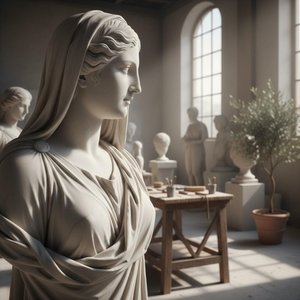
Timeless Elegance: A Complete Guide to the Sublime Beauty and Artistry of Marble Sculpture
Discover the sublime beauty of marble art through an expert exploration of Renaissance and Neoclassical masterpieces. From the delicate textures of Carpeaux to the grandeur of Sansovino, immerse yourself in a guide to timeless elegance and sculptural perfection.

Bronze Sculptures That Defined Art History | OriginalUniqueArt
Journey through art history with our Top 10 bronze sculptures! Explore masterpieces by Rodin, Michelangelo & more. Discover stories behind iconic statues and find museum-quality reproductions for your home decor at OriginalUniqueArt.com.

The Enduring Form: Sculpture Across History, Technique & Emotional Resonance
Explore the rich history of sculpture with OriginalUniqueArt. Discover key techniques, influential artists & investment potential for discerning collectors. Expert insights into valuing and collecting timeless masterpieces.

The Enduring Form: Exploring Themes & Techniques in Sculpture Across Historical Periods
Explore the rich history of sculpture from ancient masterpieces to contemporary innovations. Discover key techniques, influential artists & investment potential for discerning art collectors.
