

 미리보기
미리보기
 공유하기
공유하기 공유하기
공유하기
 상세 정보
상세 정보

 다운로드
다운로드
 유사 작품
유사 작품 X-레이
X-레이 슬라이드 쇼
 통계 정보
통계 정보Castine, Maine


 더 보기
더 보기
지클레 / 아트 프린트
빠른 제작과 다양한 마감 옵션을 제공하는 박물관 품질의 지클레이 또는 캔버스 프린트. ( 손으로 그린 그림 구매 디지털 이미지로 전환)




P118B $10

P118H $10

P118W $10

P438Z $10

P508JH $12

P508YH $12

P805H $10

P805Z $10

P919BZ $10

P919G $10

P919XJ $10

P959ZH $10

P968JZ $12

W106C $8

W218G $10

W218JH $8

W218Y $10

W307PJ $10

W316G $10

W316PJ $8

W316Y $10

W398PJ $8

W4111J $10

W500HY $15

W500JH $15

W692G $12

W849H $8

W940BG $15

W953PJ $8




작품의 원본 비율을 유지하는 미리 설정된 크기 중에서 선택하세요.

특정 프레임이나 공간에 맞춰 직접 치수를 입력하실 수 있습니다. 선택하신 사이즈가 원본 이미지의 비율과 일치하지 않을 경우, 작품을 크롭(자르기)하거나 이미지를 대칭 또는 단색 채우기로 확장하여 제작합니다. 제작 시작 전, 최종 확인을 위해 디지털 목업이 전송됩니다.
화면상의 미리보기는 실제 크롭이나 확장 상태를 반영하지 않으므로, 최종 구도는 오직 목업을 통해서만 정확하게 확인하실 수 있습니다.
맞춤 사이즈 제작도 가능하지만, 원본 비율을 유지하기 위해서는 사전 정의된 목록에서 치수를 선택하시는 것을 권장합니다.


 유리 옵션은 110cm 미만 크기에서만 선택 가능합니다.

Castine, Maine
지클레 / 아트 프린트
복제본 크기
-


최종 결제 금액
$ 80
Fitz Henry Lane’s Castine, Maine: A Luminist Vision of Coastal Tranquility
Fitz Henry Lane’s “Castine, Maine” (1850) stands as a quintessential example of Luminism—a movement that championed serene landscapes bathed in diffused light and imbued with contemplative emotion. More than just a depiction of a picturesque harbor town nestled on Penobscot Bay, this oil painting embodies the spirit of its era and offers a profound meditation on beauty and solitude. Explore this evocative artwork and delve into its artistic merits.Subject Matter & Composition
The scene captures Castine, Maine—a charming fishing village known for its historic waterfront—against a backdrop of overcast skies. Dominating the canvas is horizontal lines: the horizon itself, stretching across the upper third of the painting; the gently undulating shoreline; and the rooftops of buildings clustered along the harbor edge. This deliberate compositional choice emphasizes stability and grandeur while simultaneously conveying a sense of quiet contemplation. Scattered trees punctuate the grassy foreground, providing visual interest without disrupting the overall harmony. A dirt path winds towards the town, populated by figures—a small group of people engaged in daily life—adding to the feeling of realism and capturing a snapshot of rural New England.Style & Technique: Luminist Impressionism
Lane’s masterful execution aligns perfectly with Luminist principles. Unlike Impressionists who sought to capture fleeting moments of light, Lane prioritized conveying mood and atmosphere above precise detail. His brushwork is loose and expressive, prioritizing tonal gradations and subtle color harmonies over meticulous rendering. The artist skillfully employs atmospheric perspective—a technique borrowed from Hudson River School painters—to create depth and luminosity. Distant buildings appear paler and less defined, simulating the hazy quality of air seen on overcast days. Light filters through the clouds, casting soft shadows across the landscape and illuminating the harbor scene with a gentle glow. Lane’s use of oil paint allows for rich textures and tonal variations that contribute to the painting's immersive experience.Historical Context & Symbolism
Painted in 1850 during the American Romantic Period, “Castine, Maine” reflects the burgeoning interest in landscape painting as a vehicle for spiritual contemplation. Luminism emerged as a reaction against the increasingly frenetic pace of industrialization and urbanization, offering viewers an escape into unspoiled natural beauty. The scene evokes themes of pastoral life—the tranquility of rural existence—and connection to nature—a core value of the Romantic movement. The muted color palette reinforces this mood of serenity, mirroring the melancholic beauty often associated with overcast days. Lane’s depiction of Castine serves as a celebration of Maine's coastal heritage and embodies the Luminist ideal of capturing sublime grandeur in understated elegance.Emotional Impact & Legacy
“Castine, Maine” possesses an enduring emotional resonance—a quiet stillness that invites viewers to pause and appreciate the beauty of the natural world. Lane’s ability to convey mood through tonal harmony and atmospheric perspective elevates this landscape painting beyond mere visual representation. It speaks to a deeper yearning for peace and contemplation, reflecting the Luminist preoccupation with capturing the sublime. Today, reproductions of “Castine, Maine” continue to inspire artists and collectors alike—a testament to Lane's enduring artistic vision and his contribution to American art history.작가 약력
생애 초기와 환경
- 출생: 1804년 12월 19일, 미국 매사추세츠주 글로스터
- 사망: 1865년 8월 14일, 미국 매사추세츠주 글로스터
- 본명: 나다니엘 로저스 레인 (1832년 피츠 헨리 레인으로 법적 개명)
- 예술 사조: 루미니즘 (Luminism)
예술적 발전과 훈련
- 판화 경험: 1832년부터 1847년까지 보스턴의 펜들턴 판화 작업실에서 판화가로 활동함.
- 초기 작품: 수채화 "패킷선 '보스턴'호의 화재"는 발전 중인 기술을 보여주지만, 후기 작품에 비해 스타일이 정교하지 못함.
양식과 주요 작품: 루미니즘의 거장
레인은 대기 효과, 특히 물 위에 반사되는 빛을 포착하는 데 중점을 둔 루미니즘 운동의 선구적인 인물로 인정받고 있습니다. 그의 회화는 명료함과 정밀함, 그리고 해안 풍경에 대한 평온한 묘사로 잘 알려져 있습니다.- 레인 화풍의 핵심 특징:
- 대기 원근법: 깊이감과 거리감을 창조하기 위한 대기 원근법의 숙련된 사용.
- 세밀한 관찰: 선박, 건축물, 그리고 풍경을 묘사함에 있어 보여주는 극도로 세심한 주의력.
- 빛의 광휘 효과: 빛의 미묘한 뉘앙스와 물 표면에 반사되는 빛을 놀라운 정확도로 포착함.
- 주요 작품:
- "서남쪽 항구에서 바라본 소메스 사운드의 입구" (1852) – 해안 풍경의 평온함을 포착하는 그의 능력을 잘 보여줌.
- "매사추세츠주 글로스터, 더 포트와 텐 파운드 섬" (1847) – 지역 랜드마크에 대한 세밀한 묘사를 선보임.
- "페노브스콧 만의 저녁 무렵의 벌목 범선들" (1860) – 극적인 조명 조건을 표현하는 그의 기술을 입증함.
- "항구 남쪽 입구에서 바라본 캠든 산맥" (1859) – 인상적인 명료함으로 그림 같은 해안 풍경을 담아냄.
- "돛을 접은 상선 브릭선" (1863)
- "메인주 캠든의 등대" (1851)
- "노먼의 비극이 깃든 웨스턴 해안" (1862)
유산과 역사적 의의
피츠 헨리 레인의 작품은 생전에도 인정을 받았으나, 그의 명성은 20세기와 21세기에 들어 더욱 크게 성장했습니다. 그는 오늘날 뉴잉글랜드 해안 풍경의 아름다움과 평온함을 포착하는 독보적인 능력을 지닌 가장 중요한 미국 루미니즘 화가 중 한 명으로 추앙받고 있습니다. 레인의 회화는 19세기 글로스터와 기타 해안 공동체의 해양 생활을 보여주는 소중한 역사적 기록물 역할을 합니다. 세부 사항에 대한 그의 치밀한 주의력과 빛을 다루는 거장다운 솜씨는 오늘날까지도 예술가들에게 영감을 주고 관객들을 매료시키며, 미국 미술사에서 그의 위상을 확고히 하고 있습니다.
피츠 헨리 레인
1804 - 1865 , 미국
주요 정보
- Artistic Movement Or Style: 루미니즘 (Luminism)
- Date Of Birth: 1804년 12월 19일
- Date Of Death: 1865년 8월 14일
- Full Name: 나다니엘 로저스 레인 (피츠 헨리 레인)
- Nationality: 미국인
- Notable Artworks:
- 솜스 사운드 입구
- 더 포트와 텐 파운드 아일랜드
- 저녁 무렵의 목재 스쿠너선
- 남쪽에서 바라본 캠든 산맥
- 돛을 내린 상선 브리그호
- 메인주 캠든의 등대
- 노먼스 워가 있는 웨스턴 해안
- Place Of Birth: 미국 글로스터
관련 기사 더 보기
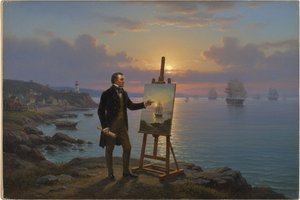
Fitz Henry Lane: Luminosity, Landscape & the American Maritime Tradition – A Collector’s Insight
Explore the luminous world of Fitz Henry Lane, a master of American maritime painting & Luminism. Discover his legacy, techniques, and investment potential for discerning art collectors. Expert insights at OriginalUniqueArt.

Robert Spencer: Luminism, Narrative & the American Landscape Tradition
Explore the captivating world of Luminism & the Hudson River School with our expert analysis. Discover the history, artists, and enduring beauty of 19th-century American landscape painting. Find museum-quality reproductions at OriginalUniqueArt.
앙리 마티스의 걸작 25선: 색채와 감각의 혁신을 만나다 | OriginalUniqueArt
앙리 마티스의 시대를 초월하는 걸작 25선을 만나보세요. 색채주의, 야수파를 대표하는 그의 삶과 예술 세계를 탐험하고, OriginalUniqueArt에서 명화 복제본으로 거실 인테리어에 감동을 더하세요. 지금 바로 컬렉션을 확인하세요!

Grant Wood & American Regionalism: Identity, Myth & the Rural Landscape
Explore the world of Grant Wood & American Regionalism with OriginalUniqueArt. Discover the symbolism behind 'American Gothic', recurring themes, and the movement's lasting impact on art history. High-quality reproductions available.

Evocations of Place: A Historical Journey Through Landscape Art
Explore the rich history of landscape art with OriginalUniqueArt. Discover renowned artists, movements like Impressionism & Romanticism, and expert guidance for collecting timeless pieces. Find your perfect serene escape today!